Essential Oils in Poultry

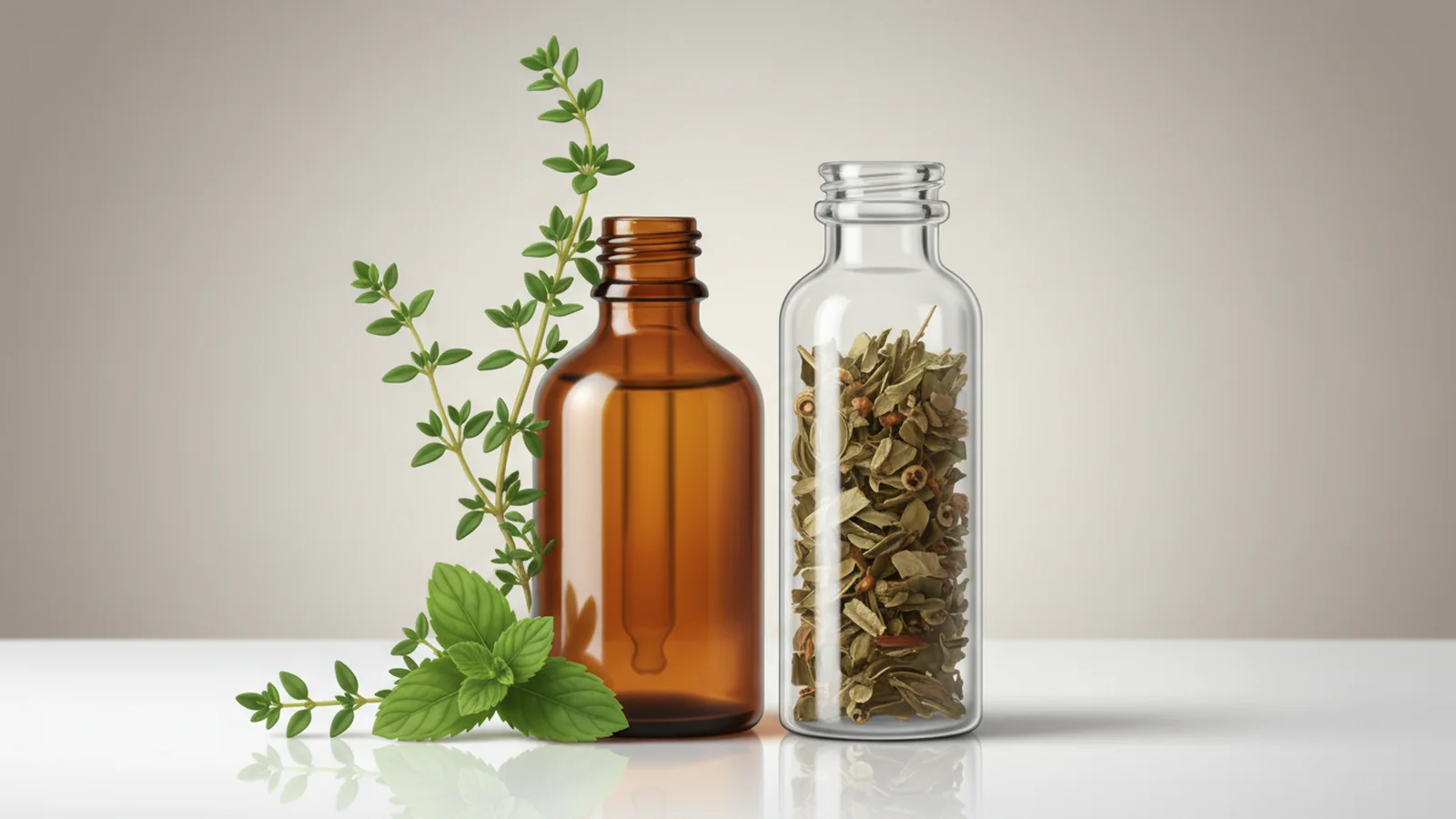
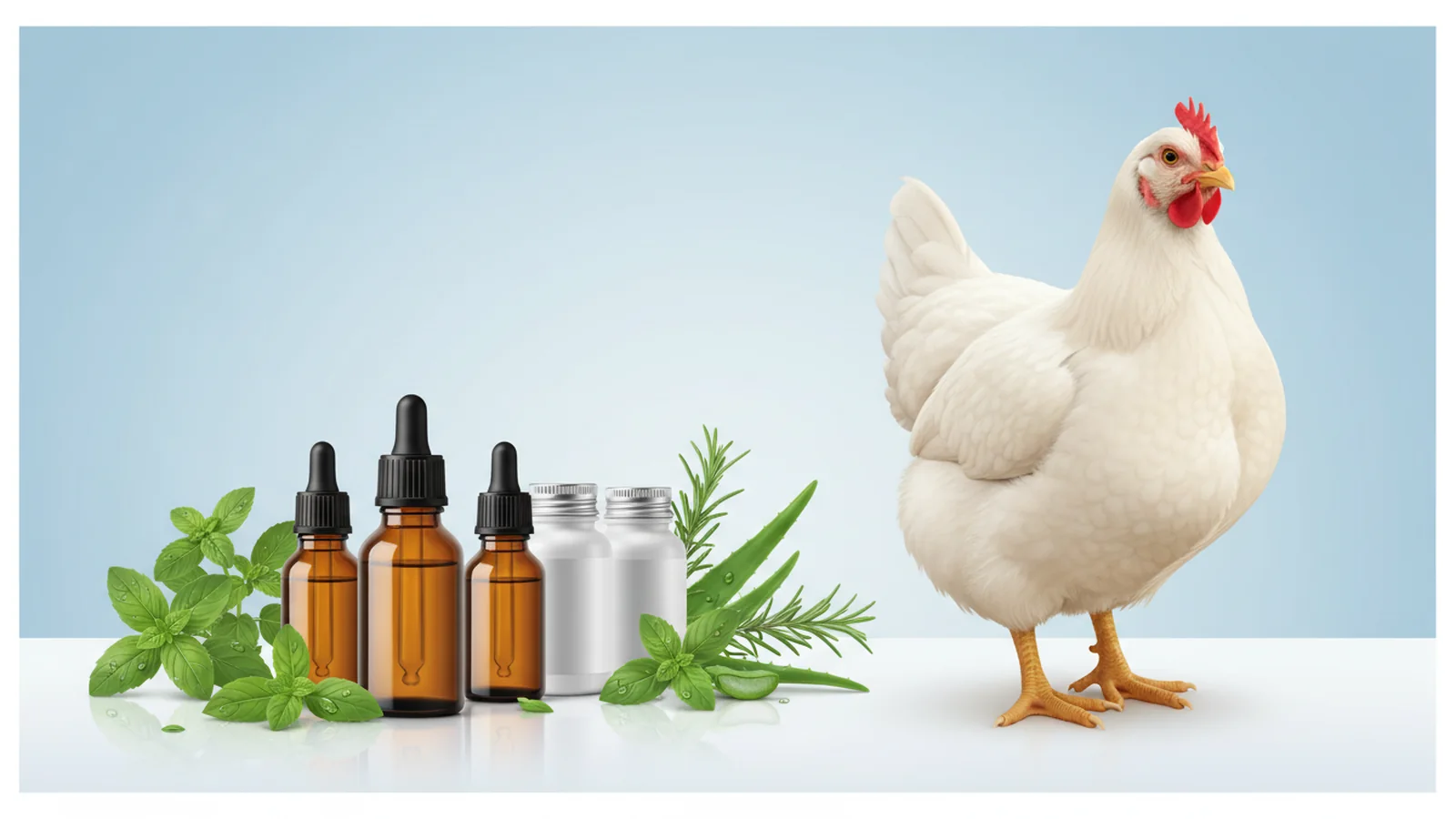
Essential oils are complex mixtures of volatile compounds obtained from various parts of aromatic plants. In recent years, these compounds have attracted considerable attention in the poultry industry for their potential antioxidant, anti-inflammatory, and flavoring properties, or their support for gut and respiratory health.
However, not all essential oils are the same. The type of plant, the extraction method, the percentage of active ingredient, stability, dose, and formulation form all affect the final outcome. Therefore, the scientific use of essential oils requires standardization and a precise understanding of their place within the formulation.
Common Applications
- Support for gut health
- Help improving appetite or palatability
- Support for the respiratory system
- Antioxidant support
- Use in alternative or complementary management programs
Advantages
- Plant origin and functional diversity
- Suitability for use in specialized formulations
- Ability to be combined with other nutritional solutions
Limitations
- Wide variation in quality and standardization
- Strong dependence of the outcome on dose and conditions of use
- Possible instability of some compounds
- Lack of a uniform effect across all farms or all conditions
FAQ
Is every essential oil suitable for poultry? No, its safety and quality must be established.
Is an essential oil the same as an extract? No, their nature and production method are different.
Can herbal products work miracles without proper management? No, they are always part of a comprehensive program.
Call to Action
To learn more about Asa Daru's specialized herbal products and their active compounds, please review the company's product pages and its research and development section.
Suggested Internal Links
- The difference between an essential oil and an extract
- How to choose a suitable herbal product
- Asa Daru research and development
- Herbal products
Phytogenics are not a substitute for good flock management; they are a complementary tool for it. The best results come when they are used alongside biosecurity, balanced nutrition and a vaccination program.
The global picture at a glance
The European Union has banned growth-promoting antibiotics since 2006, and the global market for phytogenic additives is on a steady growth path — with growing application across both poultry and livestock.
$1.05 → $1.48 billion
Global phytogenics market, 2024–2030
Grand View Research / MarketsandMarkets
Since 2006
EU ban on growth-promoting antibiotics
EU Regulation 1831/2003
Note: This piece is sample general educational content for information only; it is not a substitute for the advice of the flock’s supervising veterinarian. Asadaru supplements are supportive and preventive and are not a substitute for treatment or vaccination. The final article texts are provided and reviewed by the client.