Why Is Lavender Essential Oil Effective Against Heat Stress in the Flock?
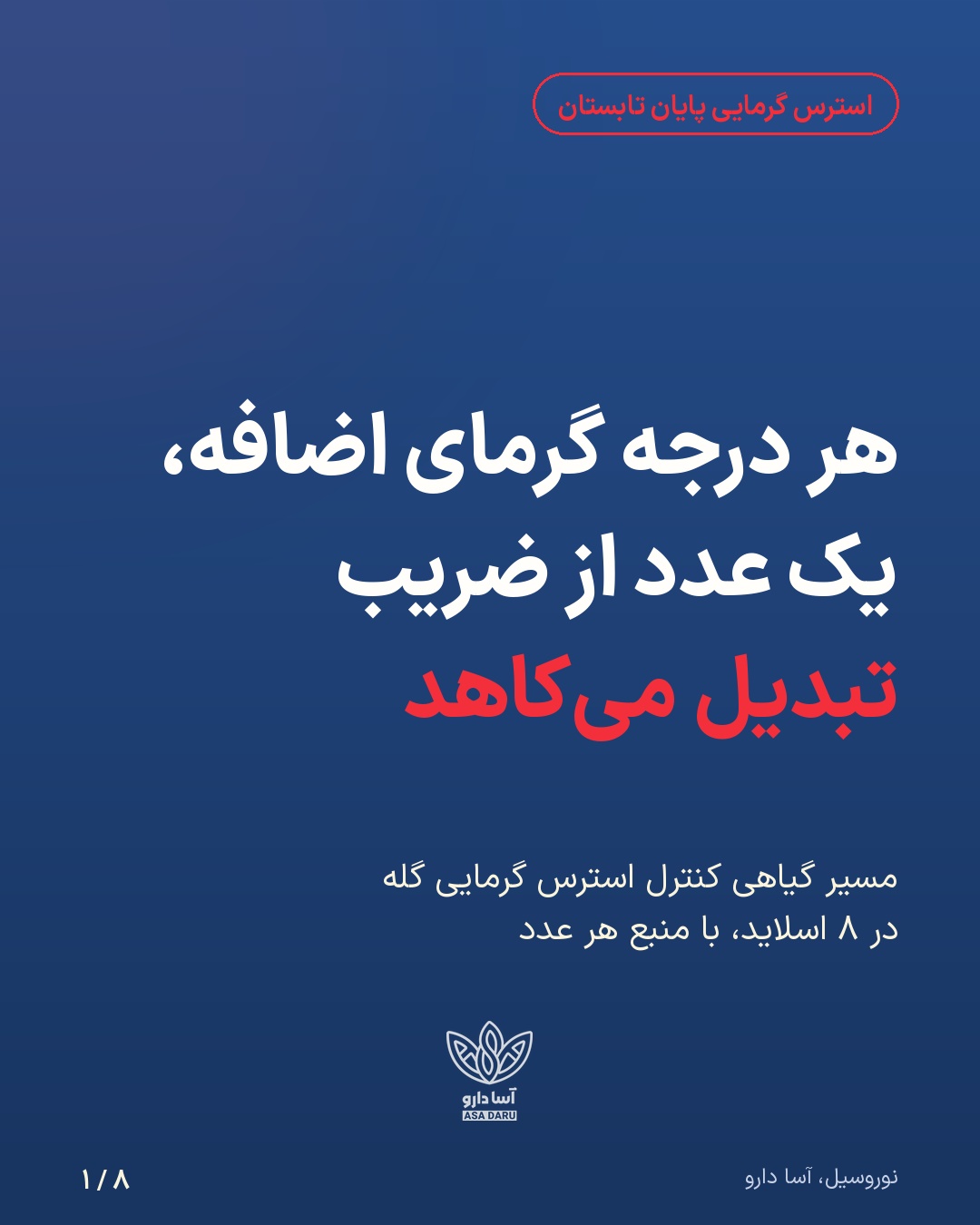
Every extra degree of heat costs one point off the feed conversion ratio.
The botanical pathway behind this effect — from the flock's olfactory receptors to the hypothalamus — is explained in this article, using the same source and the same account published in Asadaru's Instagram carousel.
Heat Stress: The Cost You Don't See
At high temperatures, a chick's body responds to stress with a rise in cortisol levels. This response is usually accompanied by reduced appetite and lower growth efficiency — the same factor that affects the feed conversion ratio during the hot season.
Pathway One: Linalool and Cortisol Reduction
Linalool, the active compound of lavender essential oil, modulates gene expression in the hypothalamus and lowers cortisol levels during stress. Part of this effect is attributed to linalool's interaction with the GABAergic transmission pathway.
Pathway Two: Antioxidant Effect
Linalool has notable antioxidant effects that matter for reducing cellular damage caused by oxidative stress; this effect is known as “neuroprotection.”
Pathway Three: Fever Modulation
In addition to its antioxidant effect, linalool also helps modulate fever by delaying the synthesis of prostaglandins and sodium arachidonate in the central nervous system — the same active compound, a complementary effect.
What Is Neurosil Made Of?
- Lavender essential oil
- Active compound: Linalool
- Effect: Cortisol reduction
Why Does Mechanism Transparency Matter?
In a review of similar products on the market, the mechanism of action for some of them is listed as “unknown” — meaning the buyer has no clear idea how the product actually works. Neurosil states its mechanism of action clearly and with documentation — the same three pathways described above.
See the Full Content on Instagram
For Technical Consultation
For a heat-stress management plan for your own flock, send Asadaru a direct message on Instagram — DM keyword: “Lavender.”
instagram.com/asa.daru
Phytogenics are not a substitute for good flock management; they are a complementary tool for it. The best results come when they are used alongside biosecurity, balanced nutrition and a vaccination program.
The global picture at a glance
The European Union has banned growth-promoting antibiotics since 2006, and the global market for phytogenic additives is on a steady growth path — with growing application across both poultry and livestock.
$1.05 → $1.48 billion
Global phytogenics market, 2024–2030
Grand View Research / MarketsandMarkets
Since 2006
EU ban on growth-promoting antibiotics
EU Regulation 1831/2003
Note: This piece is sample general educational content for information only; it is not a substitute for the advice of the flock’s supervising veterinarian. Asadaru supplements are supportive and preventive and are not a substitute for treatment or vaccination. The final article texts are provided and reviewed by the client.