
KNOWLEDGE BASE
Practical knowledge for better rearing
At Asa Daru, we turn research and field experience into practical solutions for the farm — from improving feed conversion and heat-stress management to a clearer understanding of phytogenics, with a scientific, transparent view free of exaggeration.
 Phytogenics
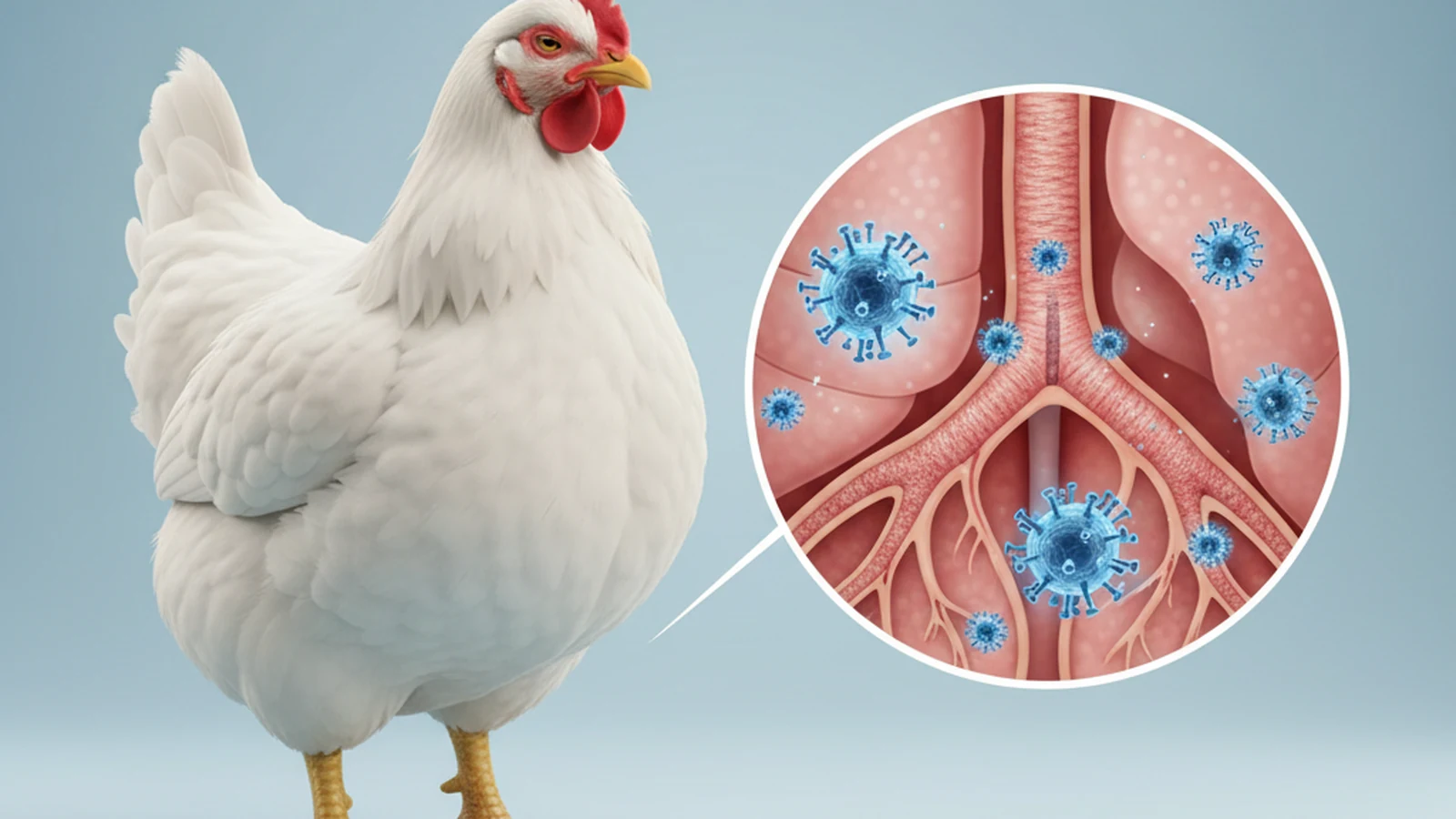
Infectious Bronchitis in Poultry: Symptoms, Diagnosis, and Prevention Methods
Infectious bronchitis is an acute, highly contagious viral disease of poultry that affects the respiratory tract and sometimes the kidneys, and its control requires careful prevention.
 Flock management
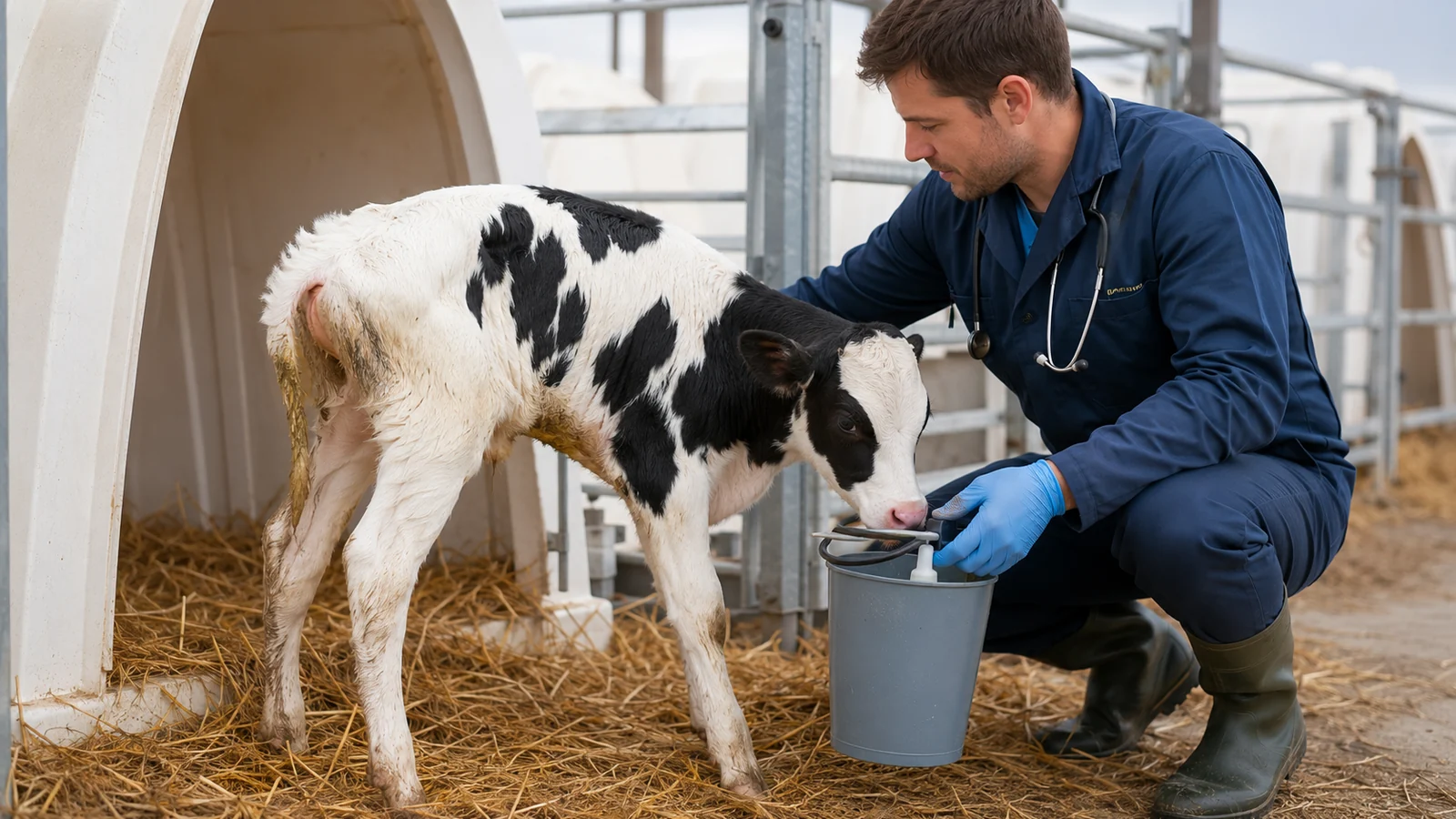
Calf Diarrhea: Causes, Symptoms, and Control Methods
Learn the main causes and symptoms of calf diarrhea, how to assess dehydration, first-response steps, and strategies to prevent and control this problem.
 Flock management
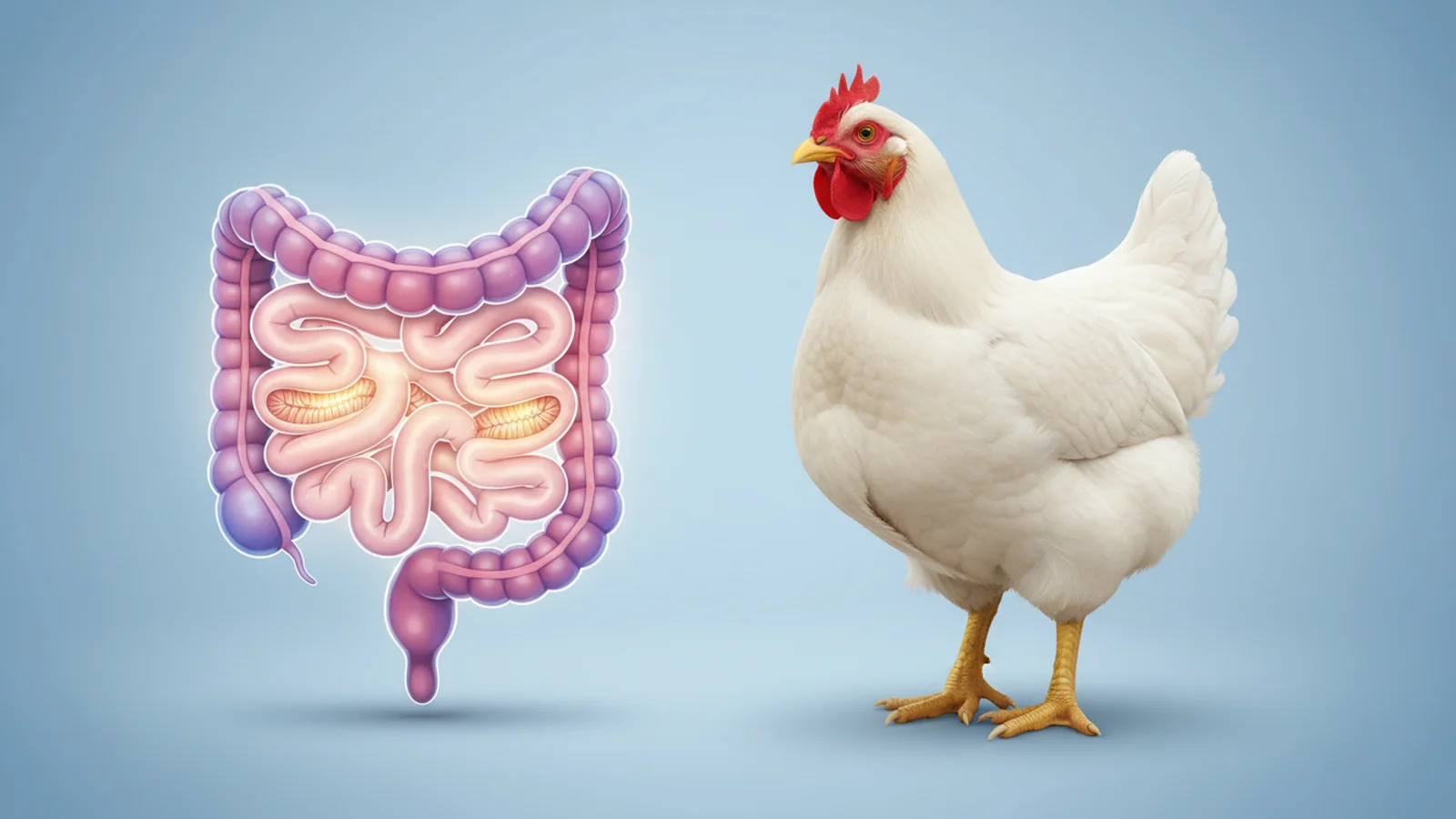
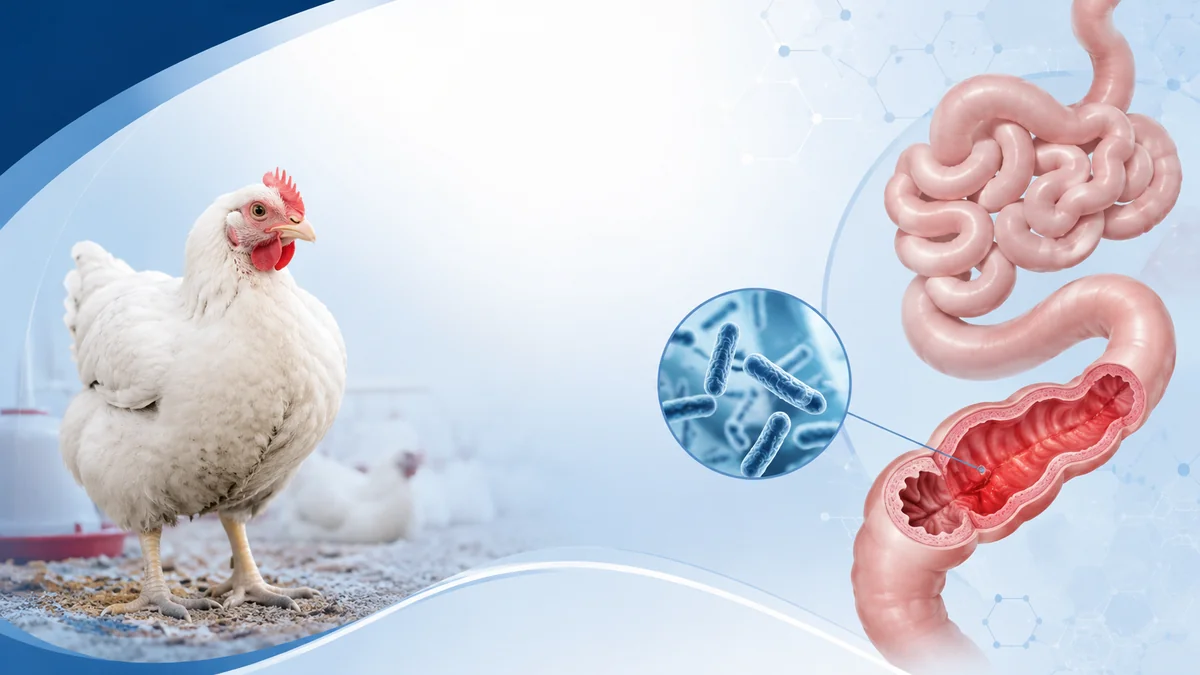
Gut Health in Broiler Chickens: Importance and Solutions
Gut health is a concept that goes beyond the mere absence of diarrhea or visible lesions. A healthy gut must be able to digest and absorb nutrients well, maintain an effective mucosal barrier against pathogens, preserve an appropriate microbial balance, and stay in harmony with the mucosal immune system. Disruption in any of these components can affect growth, feed conv…
 Flock management
Calf Gut Health: The Foundation of Growth, Immunity, and Future Performance
Calf gut health affects growth, nutrient absorption, and immune function. Learn about the threats it faces and how to support the digestive system.
 Flock management
Heat Stress in Poultry: Signs, Consequences, and Control
Heat stress occurs when a bird cannot transfer the heat produced in its body to the environment quickly enough. Chickens have no sweat glands and rely on behaviors such as panting, holding their wings away from the body, reducing activity, and increasing water intake to dissipate heat. If temperature, humidity, or ventilation exceed the flock's capacity to adapt
 Flock management
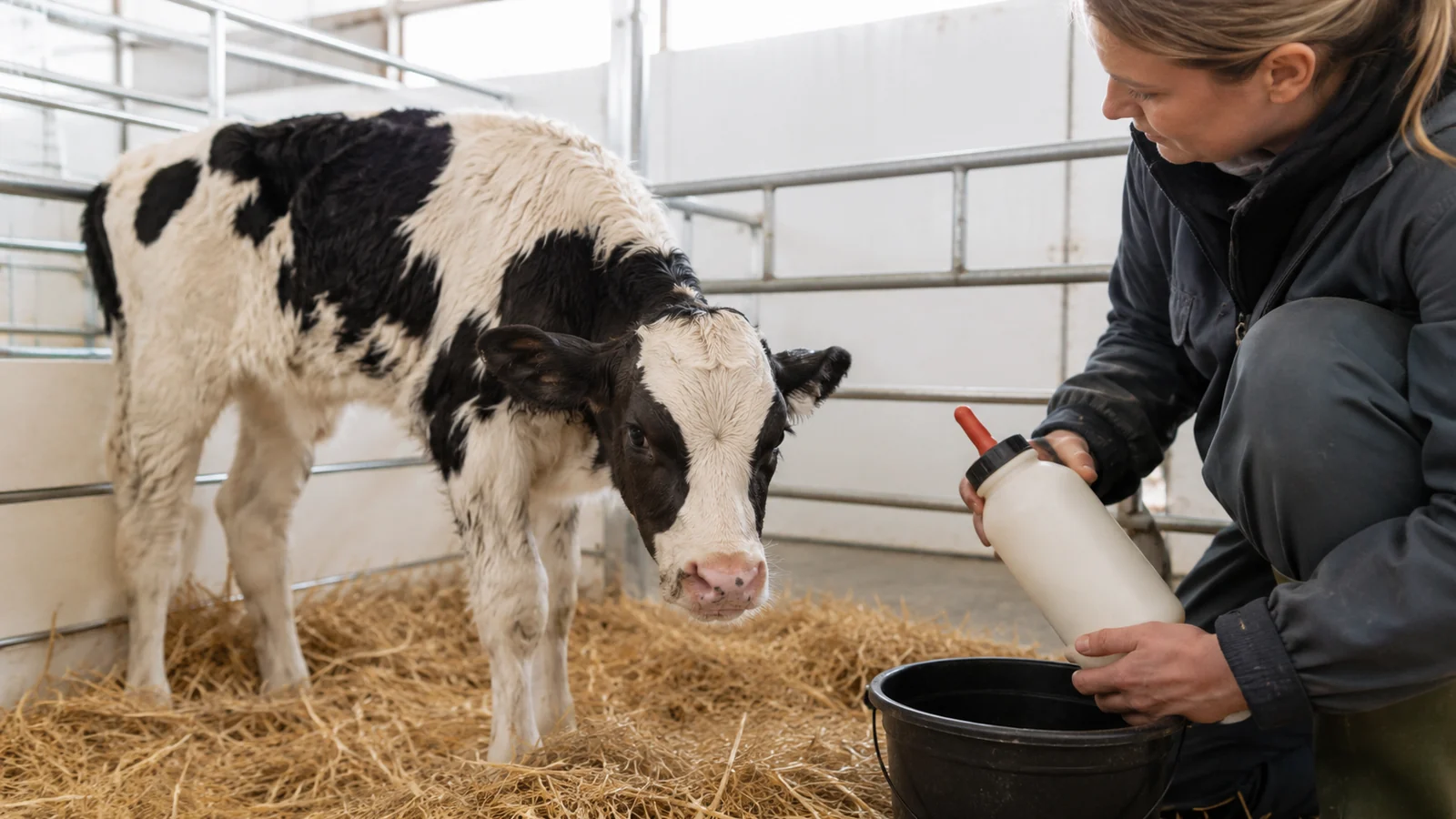
Dehydration in Calves: Warning Signs and First Aid
Calf dehydration can result from diarrhea, heat, or reduced milk intake. Learn its warning signs, how to assess it, and the first steps to take.
 Phytogenics
The Poultry Immune System: Function and Weakening Factors
The poultry immune system is a network of physical barriers, cells, organs, and defensive molecules that identifies and controls infectious agents. Proper functioning of this system is essential for health, the response to vaccination, growth, and the stability of flock performance. However, the immune response has a cost in energy and nutrients and is influenced by
 Flock management
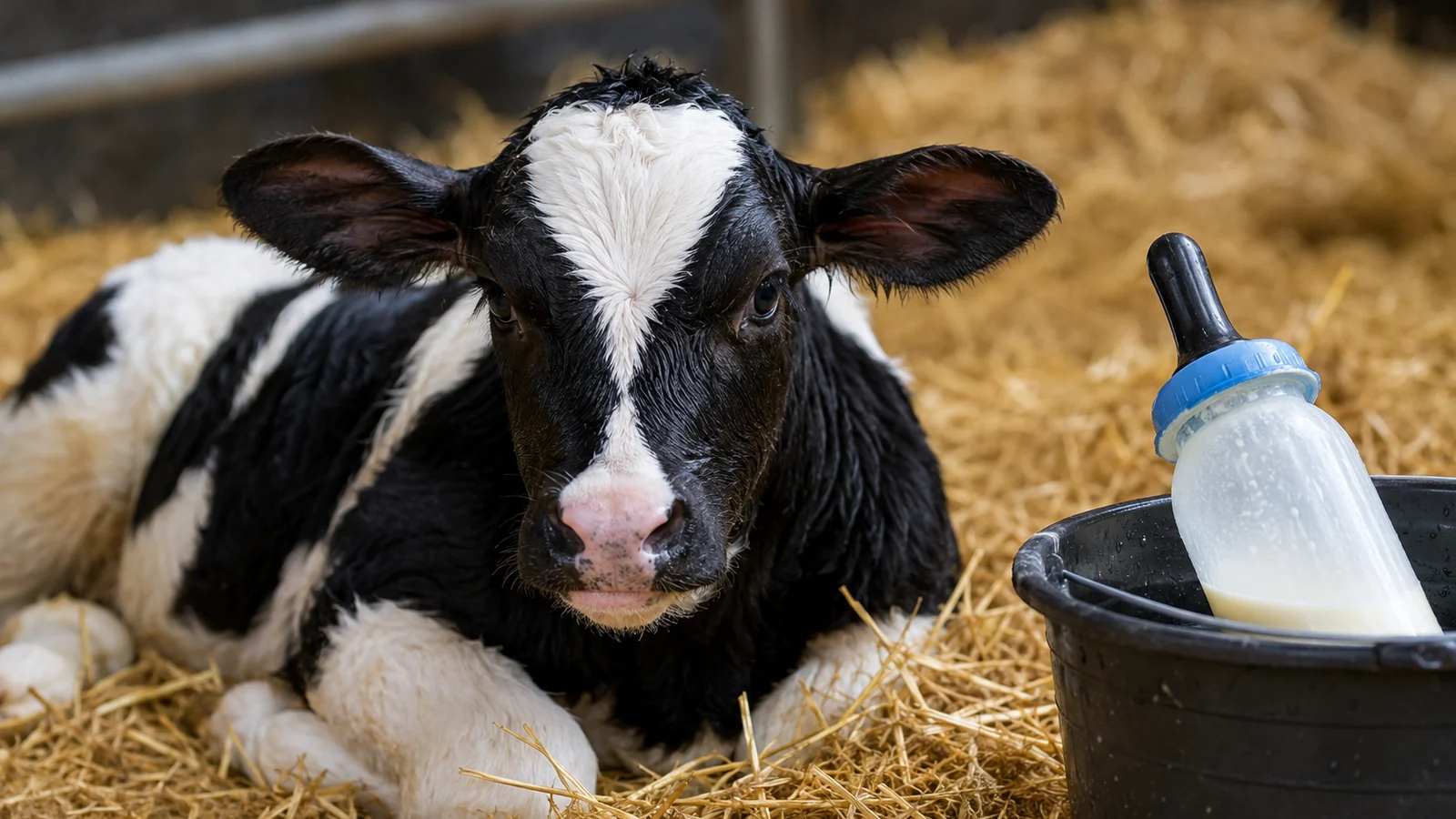
The Role of Colostrum in Calf Health and Immunity
Proper colostrum management directly affects a calf's immunity and health. Learn the essentials of quality, quantity, feeding time, and hygienic storage of colostrum.
 Phytogenics
What is HI titer and how is it interpreted?
The HI test, or Hemagglutination Inhibition, is one of the common methods for assessing the level of antibodies against certain viruses such as Newcastle disease and avian influenza. The number obtained from this test should not, on its own, be considered the sole criterion for the health or immunity of the flock; rather, it should be interpreted alongside age, vaccination history
 Efficiency & FCR
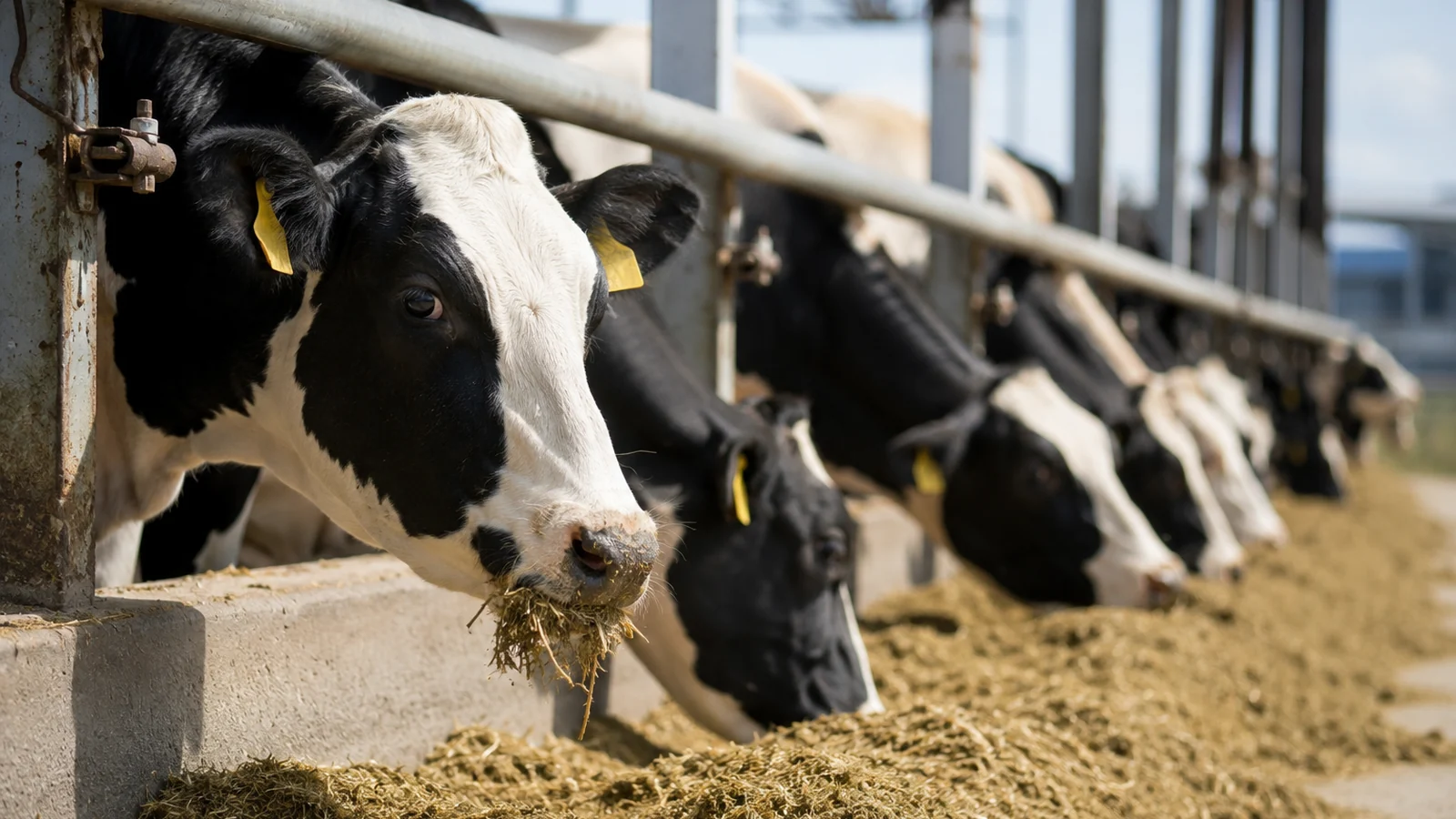
Digestive Health in Cattle: The Rumen's Role in Appetite and Production
Rumen health affects appetite, rumination, feed digestion and cattle production. Learn the signs of digestive disorders and ways to support rumen function.
 Flock management
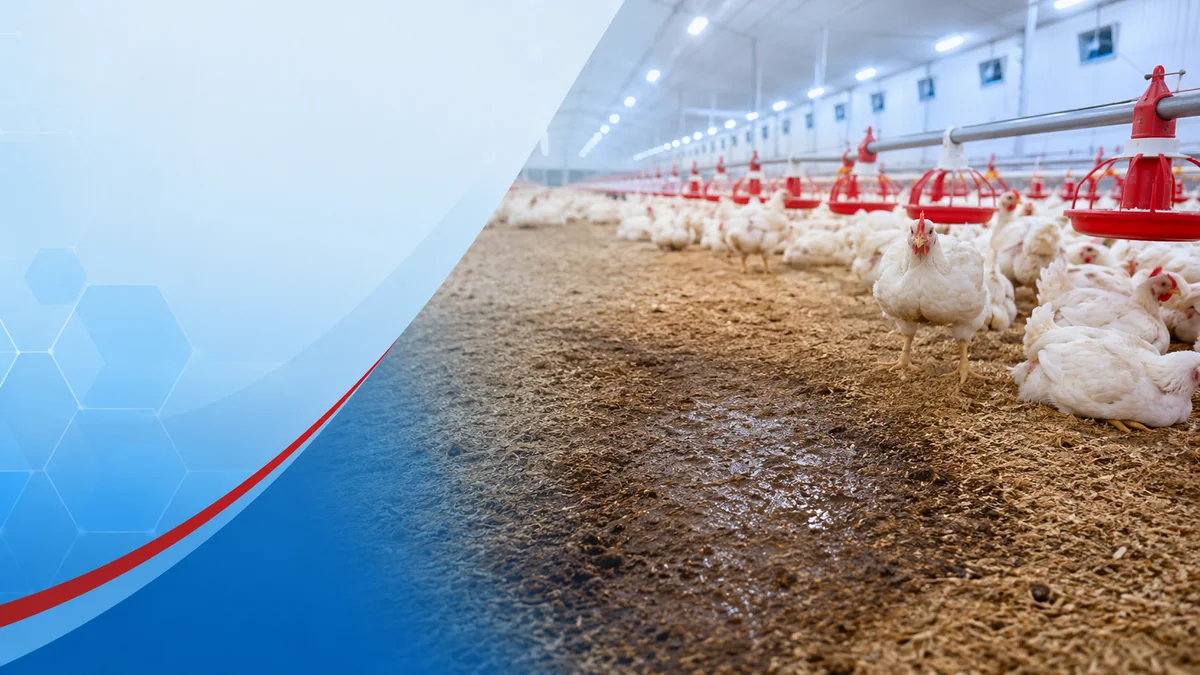
Wet Litter in Poultry Farming: Causes, Consequences, and Control
Wet litter is one of the common and costly problems in poultry farming that can turn from a seemingly simple management issue into a serious challenge for flock health. Besides reducing environmental quality, high litter moisture increases ammonia, damages foot pads and breasts, lowers bird welfare, and aggravates digestive and respiratory problems.
 Efficiency & FCR
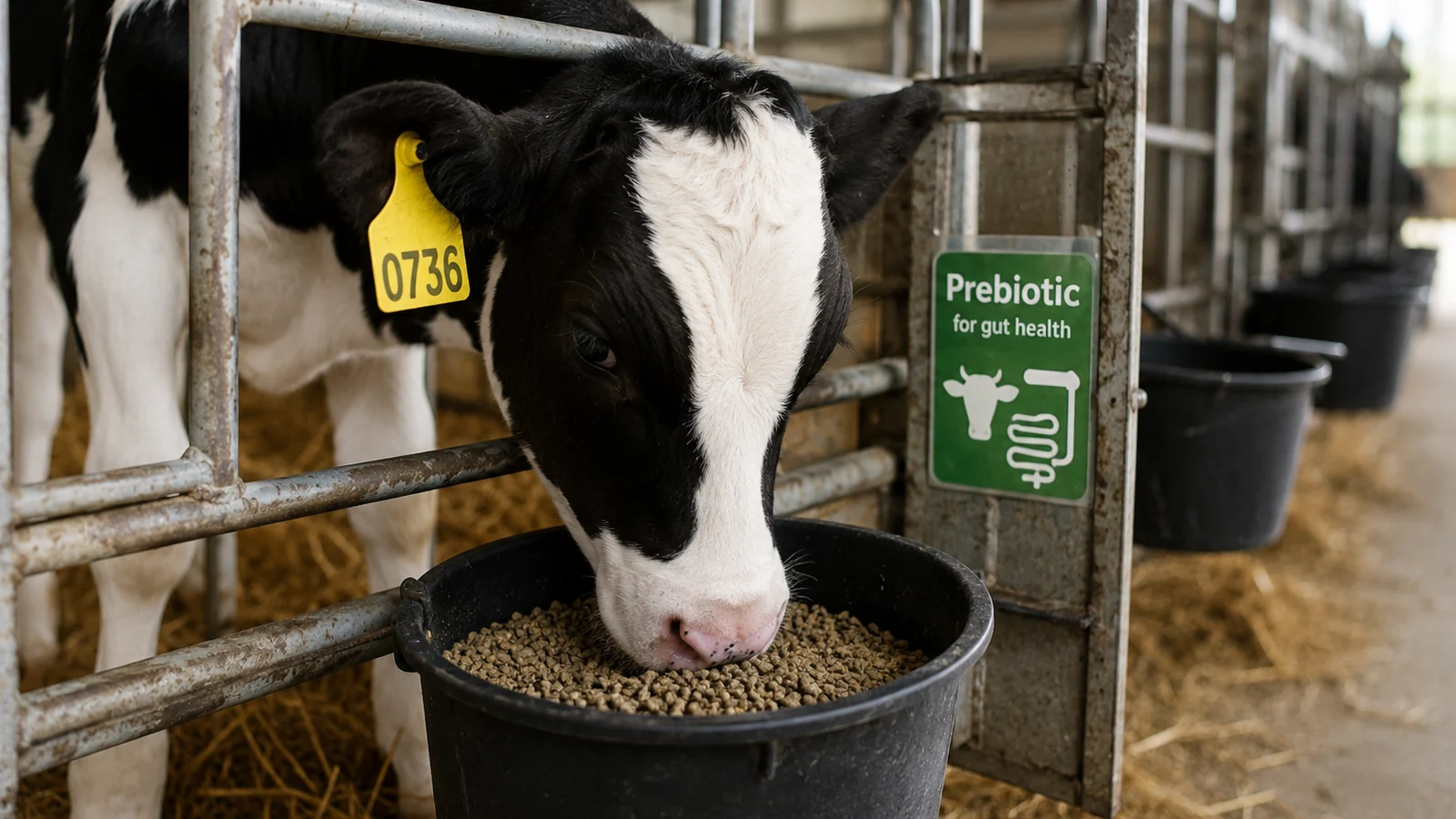
The Role of Prebiotics in Livestock Gut Health
Prebiotics can support microbial balance, gut health, and digestive performance in livestock. Learn about their application, mechanism of action, and limitations.
 Phytogenics
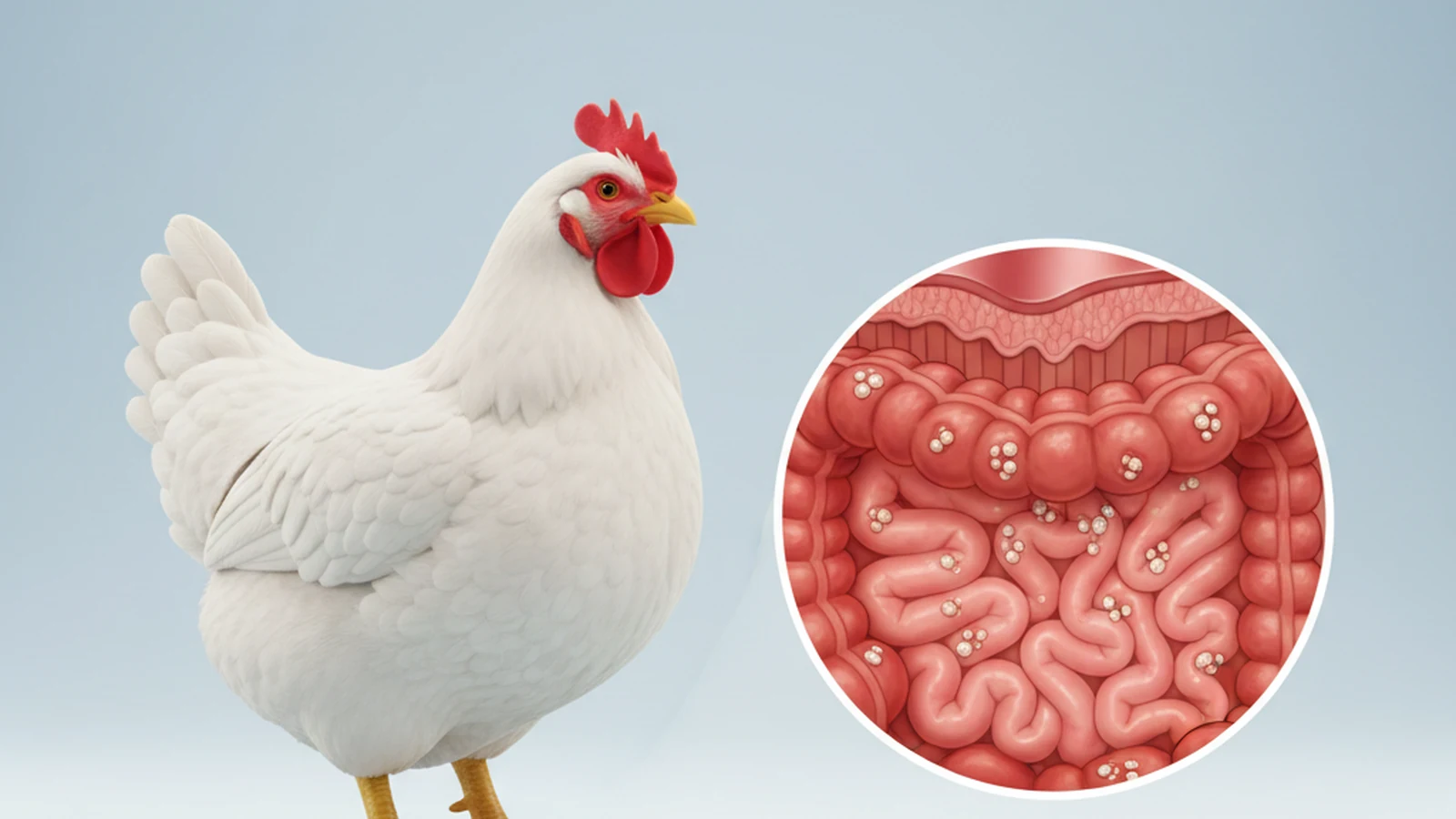
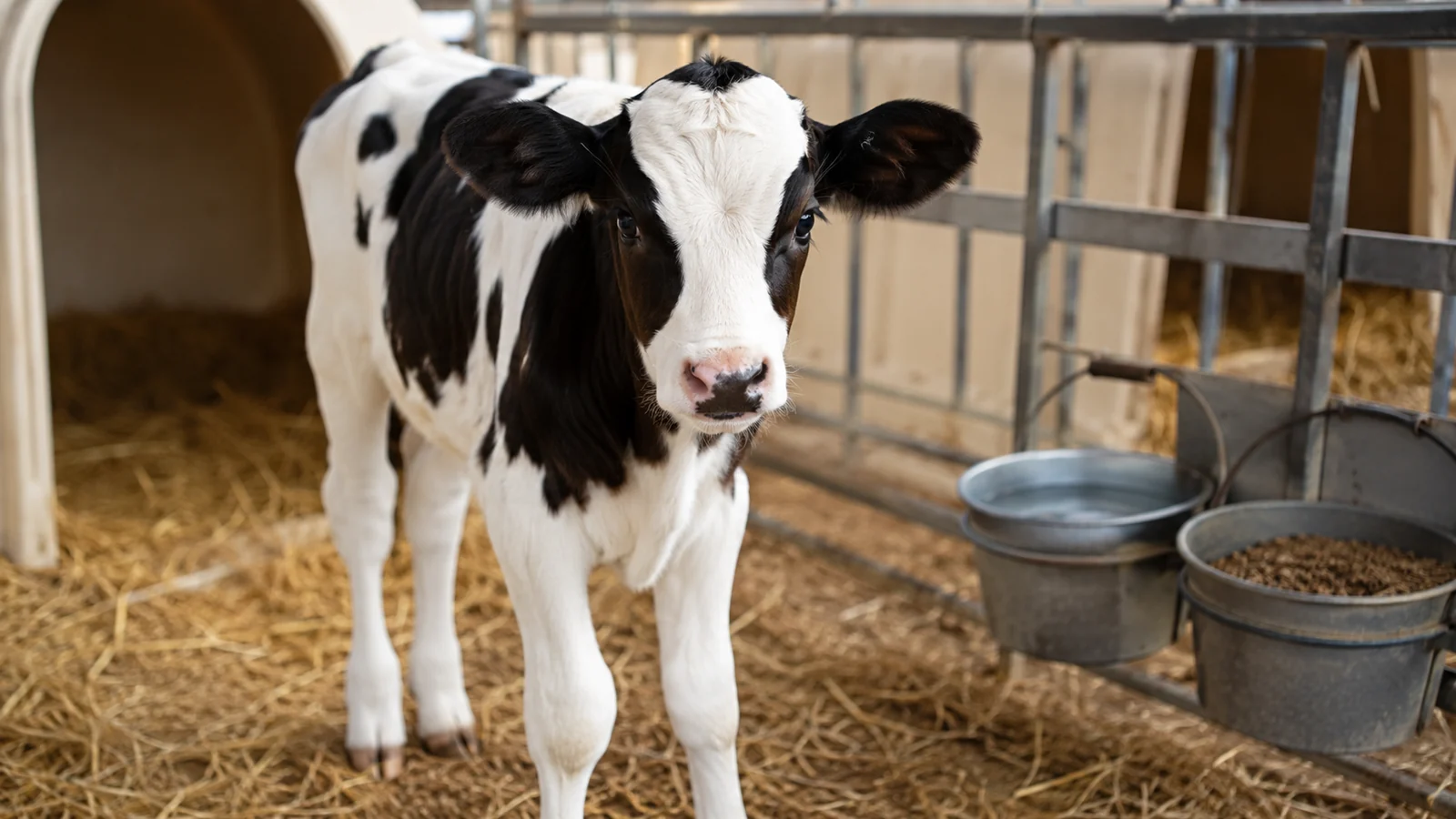
Necrotic Enteritis in Poultry: Signs and Control Strategies
Necrotic enteritis is one of the major digestive diseases in poultry, usually associated with overgrowth of Clostridium perfringens in the gut and severe mucosal damage. It can appear acutely with increased mortality or, in a subclinical form, cause significant economic loss through reduced growth, a higher feed conversion ratio, and lower flock uniformity.
 Flock management
Loss of Appetite in Cattle: Causes and Management Methods
Loss of appetite in cattle may stem from a dietary disorder, disease, rumen problems, or heat stress. Learn the causes and initial measures.
 Phytogenics
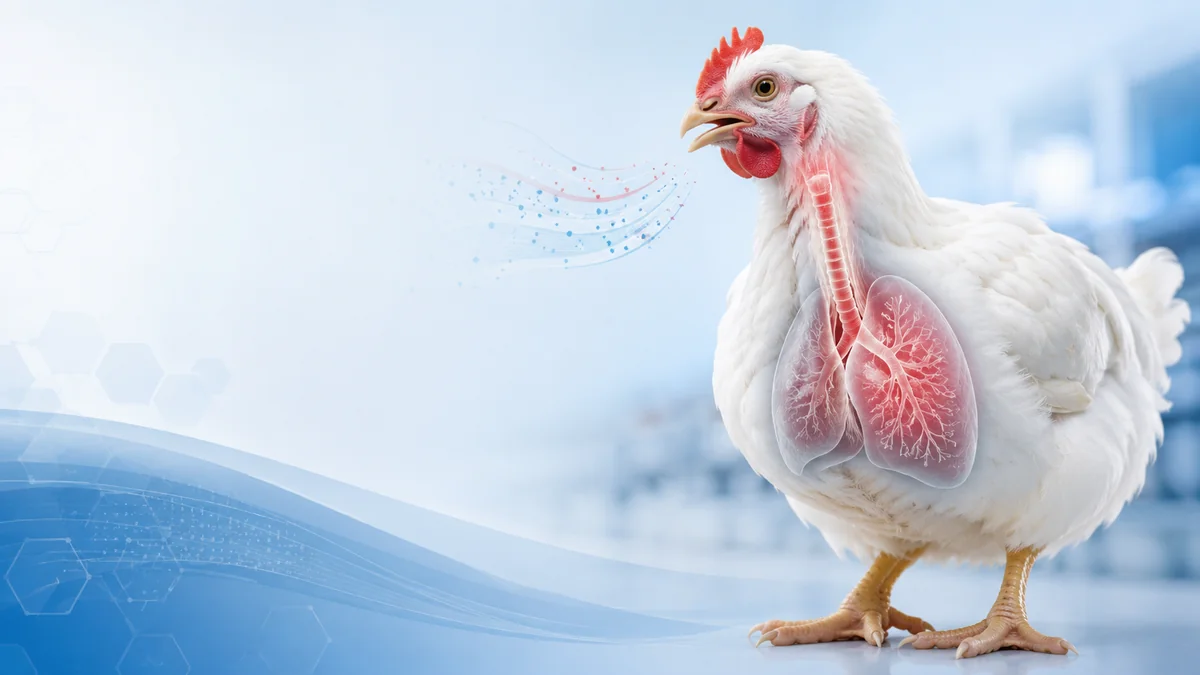
What Does Wheezing in Chickens Indicate?
Wheezing or abnormal respiratory sounds in poultry are a sign, not a diagnosis. This symptom can result from tracheal inflammation, secretions and mucus, air-sac involvement, viral and bacterial infections, or even excessive ammonia and dust. Therefore, seeing a single sign alone should not lead to a hasty conclusion about the causative agent of the disease.
 Phytogenics
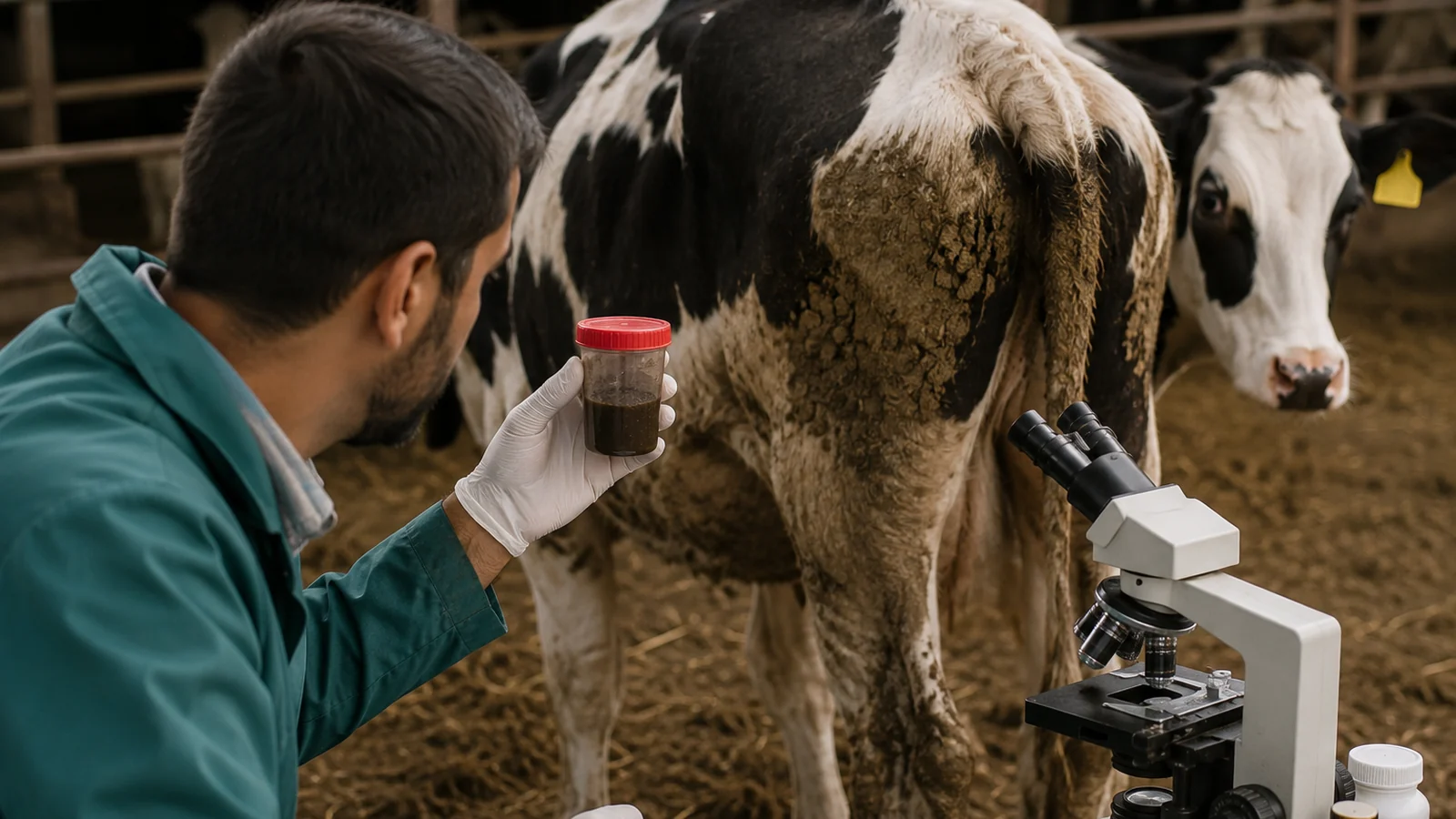
Parasitic Diseases in Livestock: Symptoms and Control Principles
Parasitic diseases can reduce growth, cause anemia, and lower livestock production. Learn the signs, diagnostic methods, and principles for controlling parasitic infection.
 Phytogenics
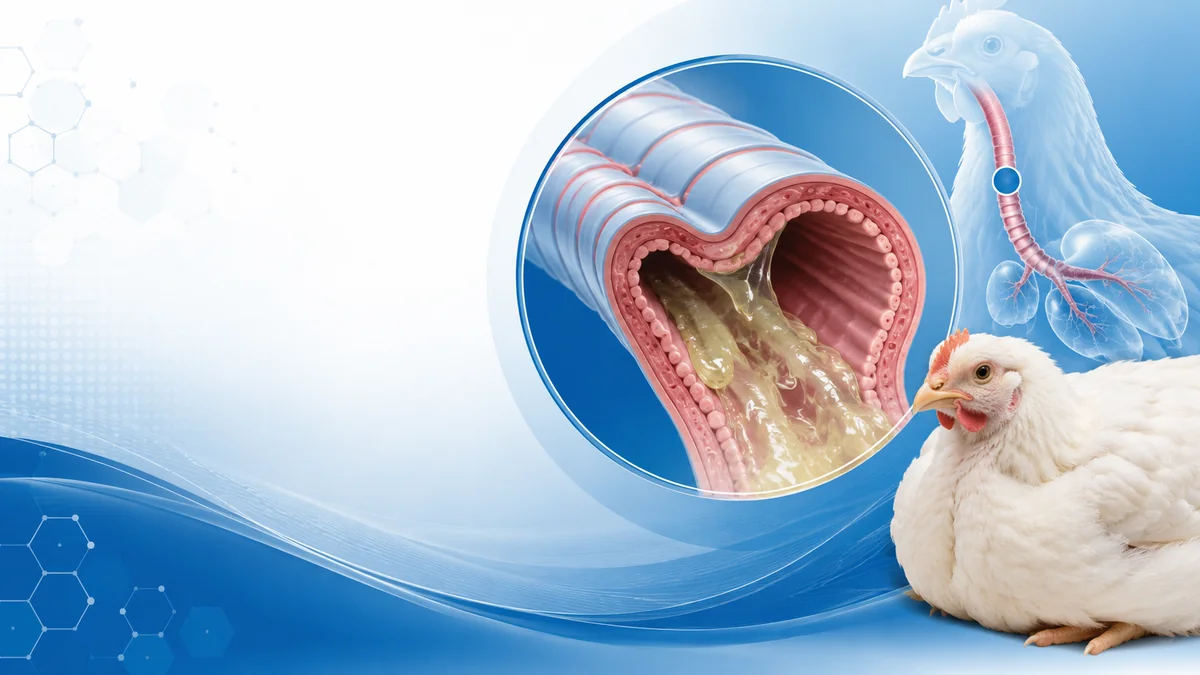
Mucus and Respiratory Secretions in Poultry
Mucus is naturally part of the respiratory system's defense and helps trap particles, microbes, and dust. A problem arises when mucus production becomes excessive, its viscosity increases, or its natural clearance is impaired. Under such conditions, the airways narrow and the bird's breathing becomes more difficult.
 Phytogenics
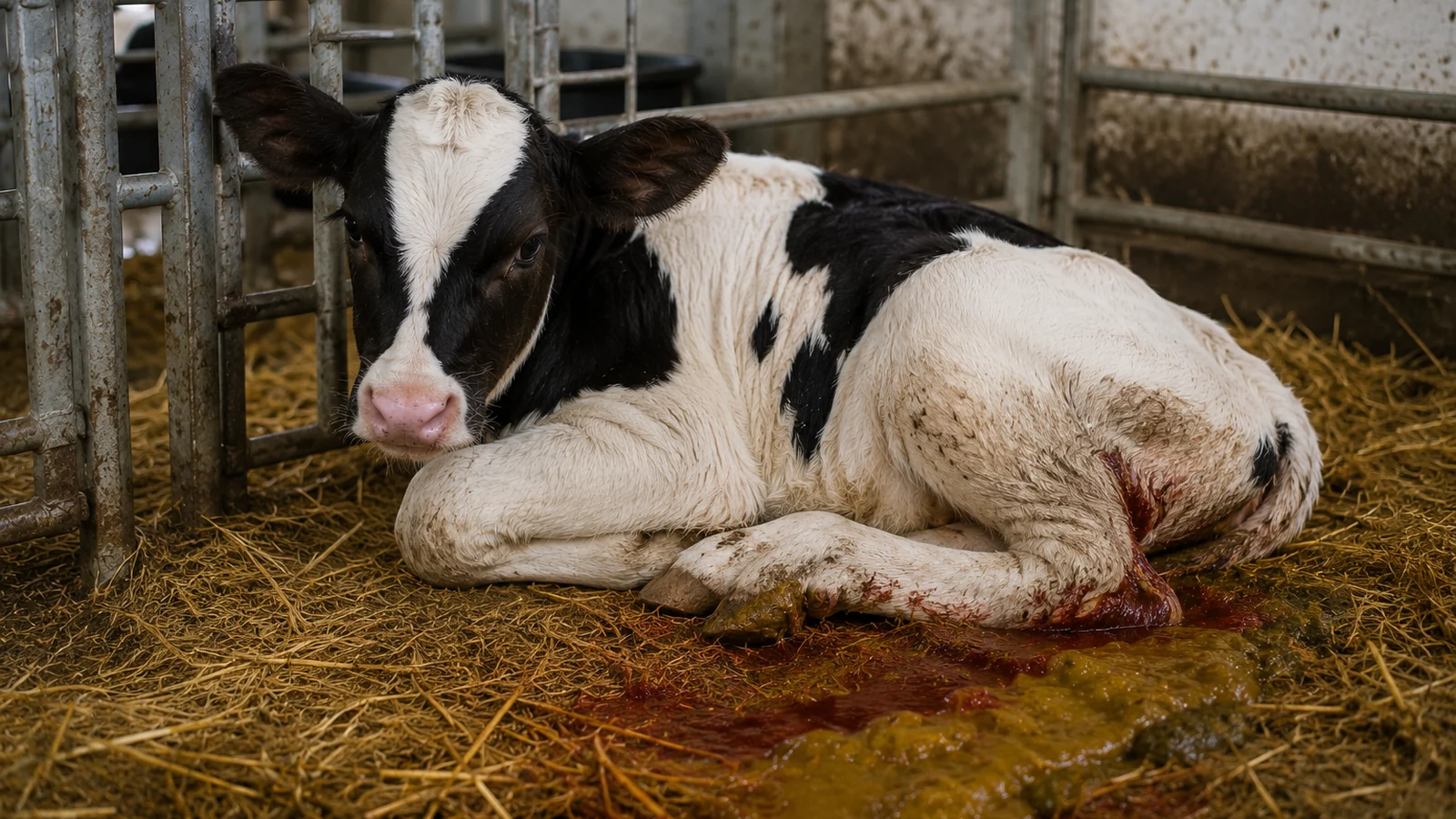
Coccidiosis in Calves: Signs, Risk Factors, and Control
Coccidiosis can cause diarrhea, poor growth, and weakness in calves. Learn its signs, risk factors, diagnostic approach, and control principles.
 Phytogenics
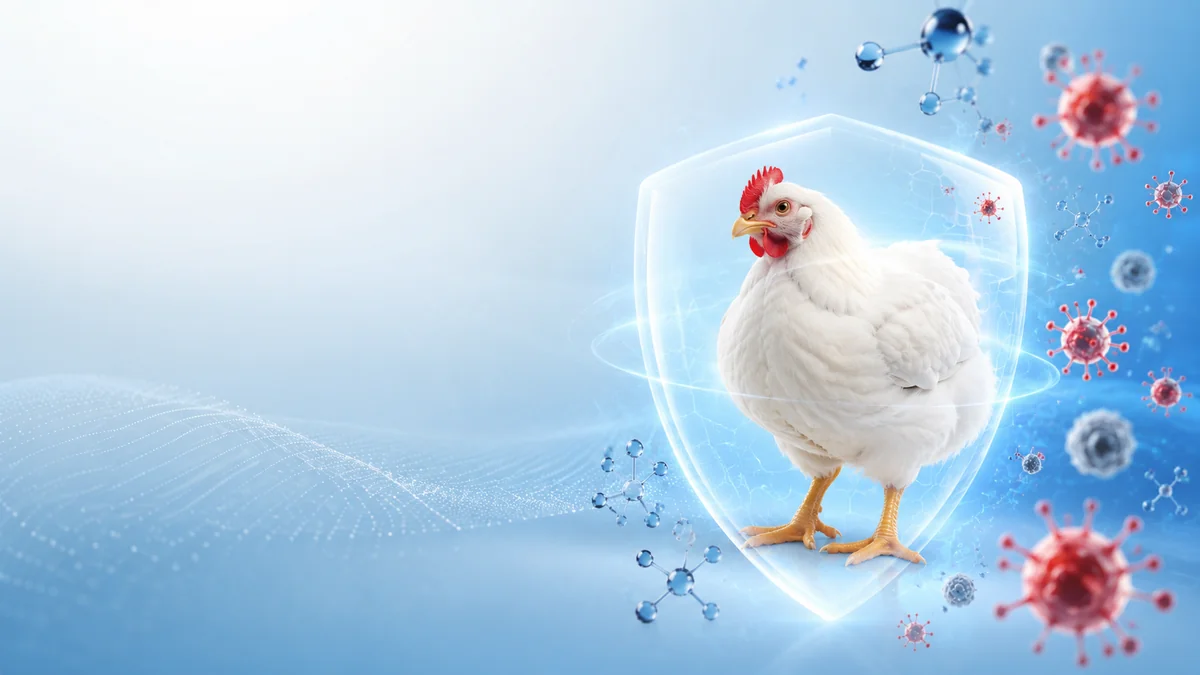
Oxidative Stress in Poultry
Oxidative stress occurs when the balance between the production of reactive oxygen species and the capacity of the body's antioxidant systems is disrupted. In this state, free radicals can damage lipids, proteins, DNA and cell membranes and impair the normal function of the cell.
 Phytogenics
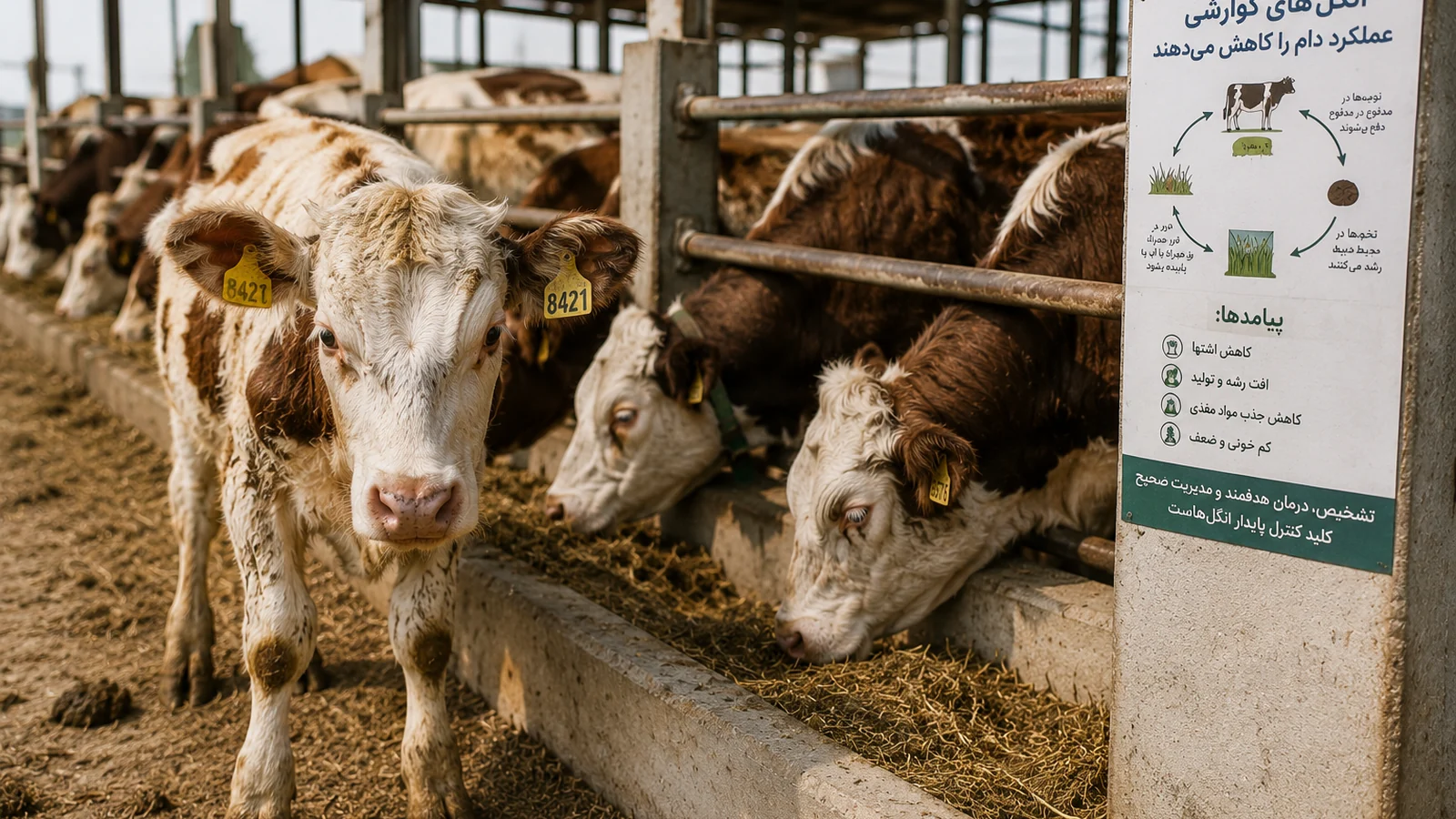
How Do Gastrointestinal Parasites Reduce Livestock Performance?
Gastrointestinal parasites can reduce growth, appetite, and production in livestock without obvious symptoms. Learn the hidden signs, diagnosis, and control principles.
 Phytogenics
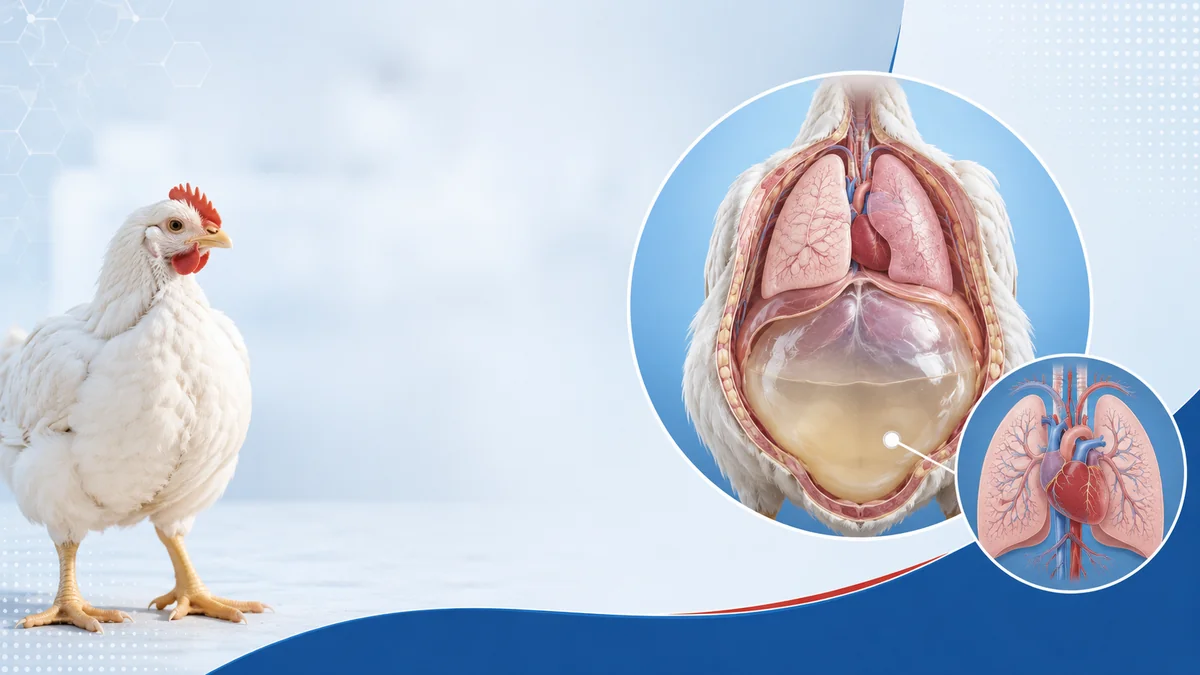
Ascites in Broiler Chickens
Ascites, or the accumulation of fluid in the abdominal cavity, is one of the major metabolic problems in fast-growing broiler chickens. This condition is usually the result of the cardiopulmonary system's inability to meet the bird's high oxygen demand and rapid growth. In many cases, ascites should be regarded as the consequence of a physiological imbalance rather than a simple infectious disease.
 Phytogenics
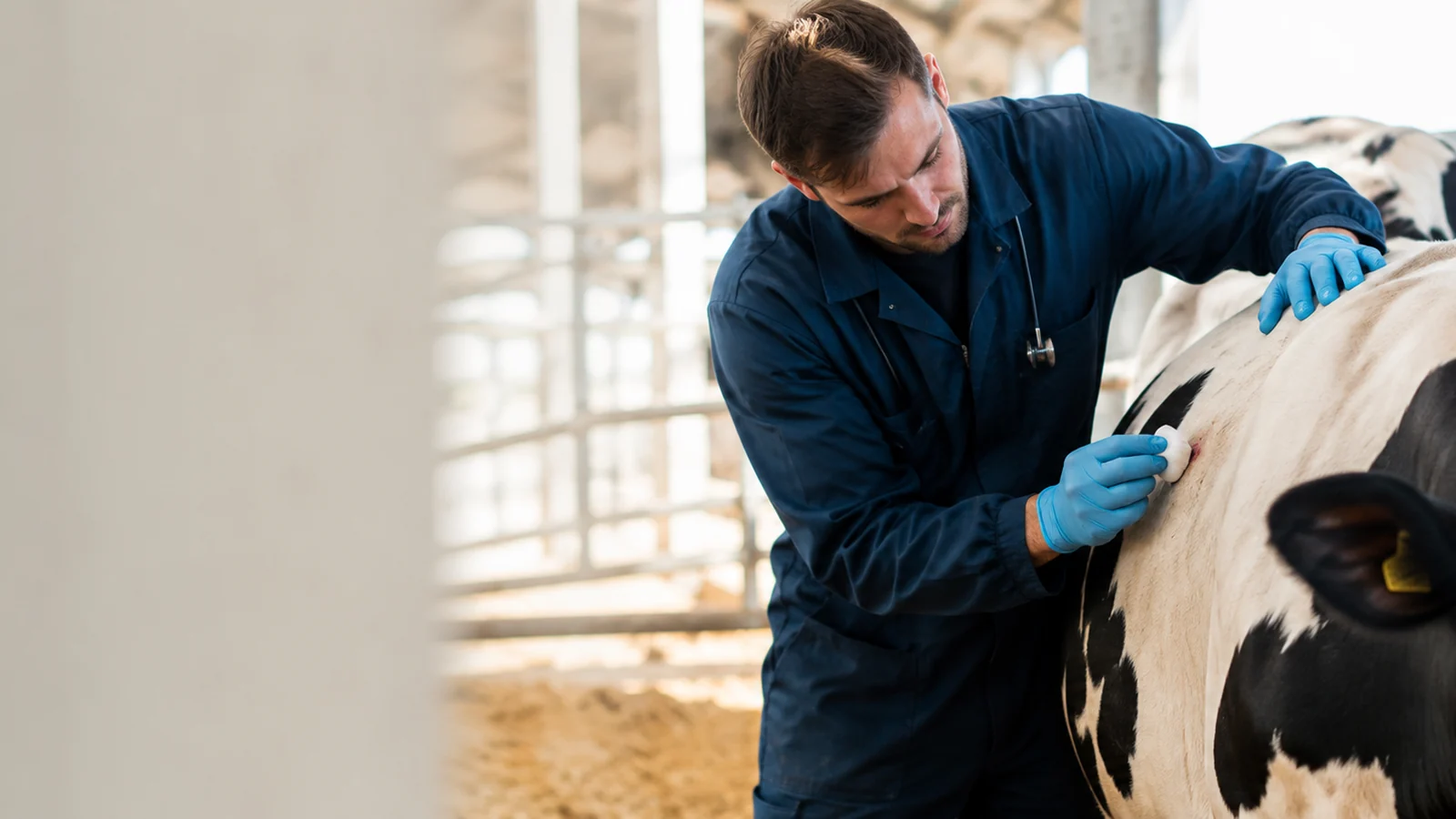
Skin Wounds in Livestock: Causes, First Aid, and Management
Skin wounds in livestock may result from trauma, unsuitable equipment, or parasites. Learn the warning signs, first aid, and when to call the vet.
 Phytogenics
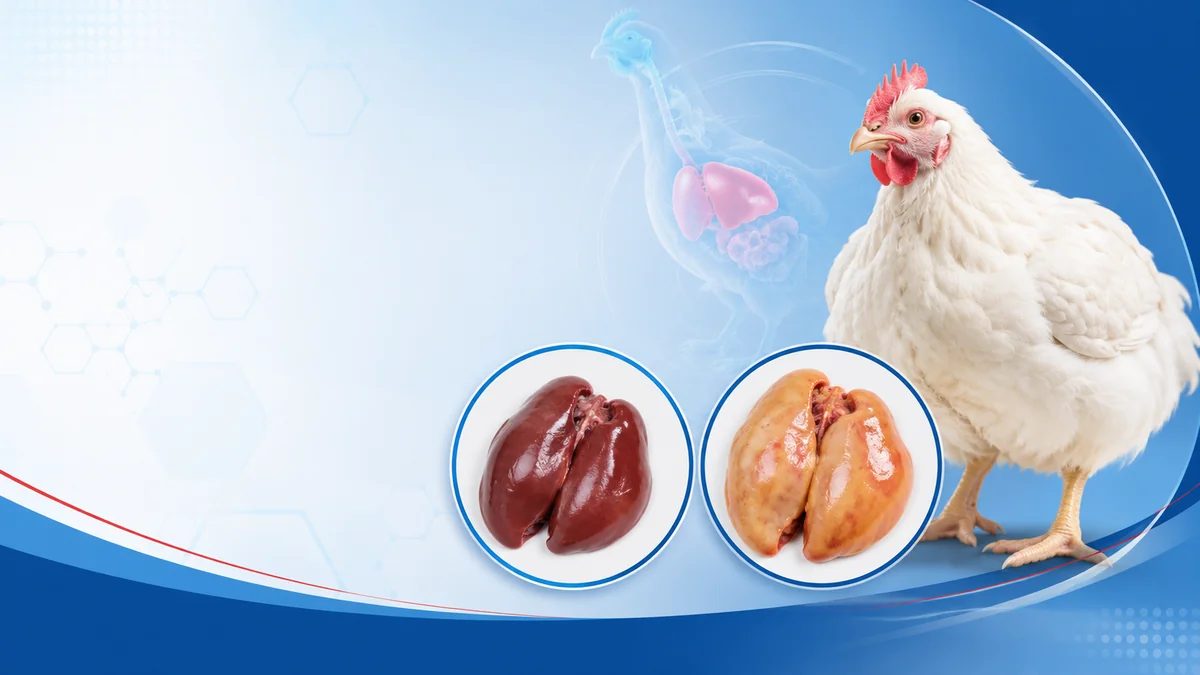
Fatty Liver in Poultry
The liver is one of the key organs involved in nutrient metabolism, detoxification, fat synthesis, and the storage of certain vitamins. When fat accumulation in the liver cells becomes excessive, the liver's normal function is impaired, and the bird may face reduced performance, greater sensitivity to stress, and the onset of metabolic disorders.
 Phytogenics
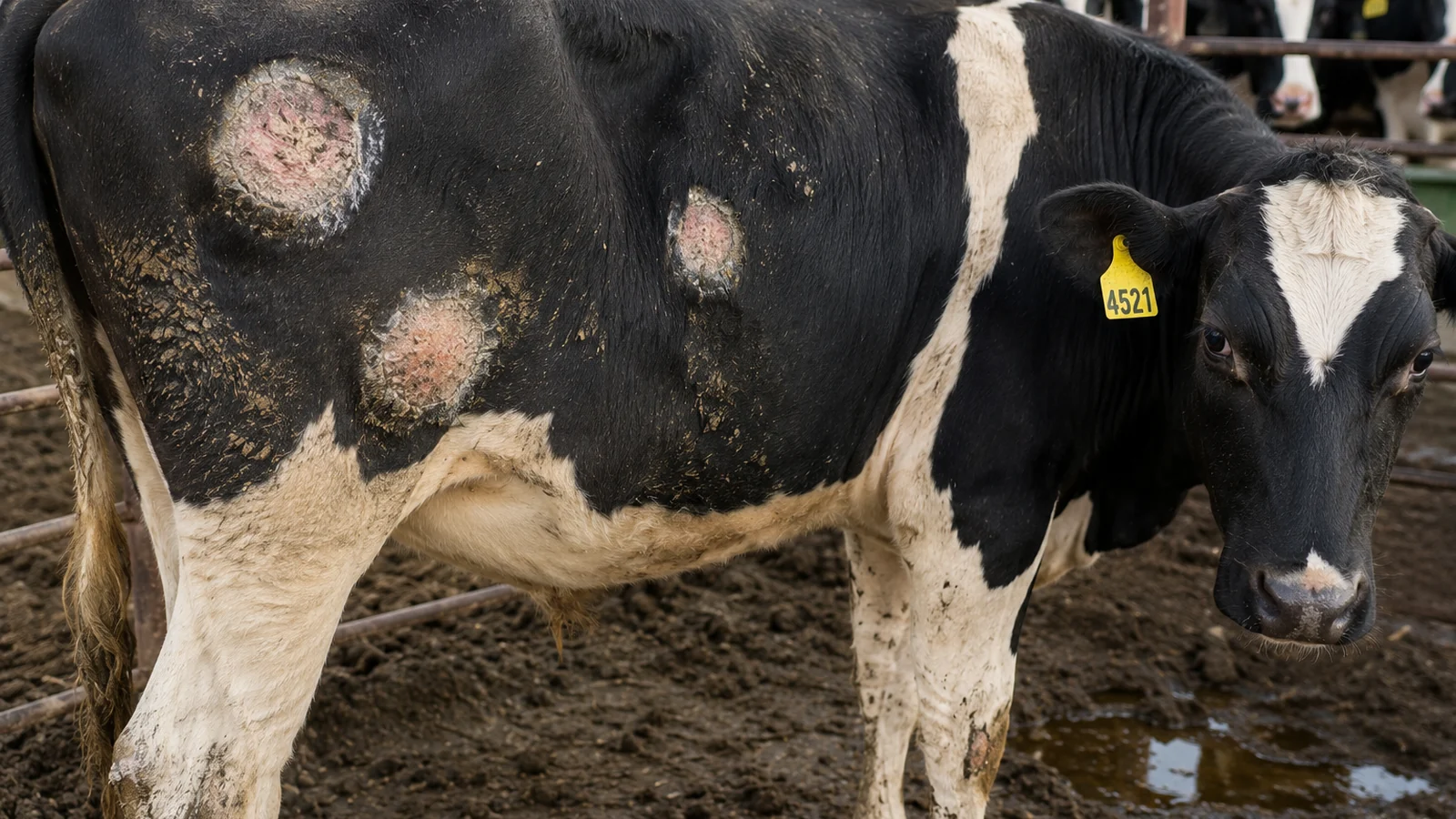
Common Skin Diseases in Cattle
Hair loss, itching, and skin sores in cattle can have many causes. Get to know the most common skin diseases, their key signs, and the principles of controlling them.
 Phytogenics
Essential Oils in Poultry
Essential oils are complex mixtures of volatile compounds obtained from various parts of aromatic plants. In recent years, these compounds have attracted considerable attention in the poultry industry for their potential antioxidant, anti-inflammatory, and flavoring properties, or their support for gut and respiratory health.
 Phytogenics
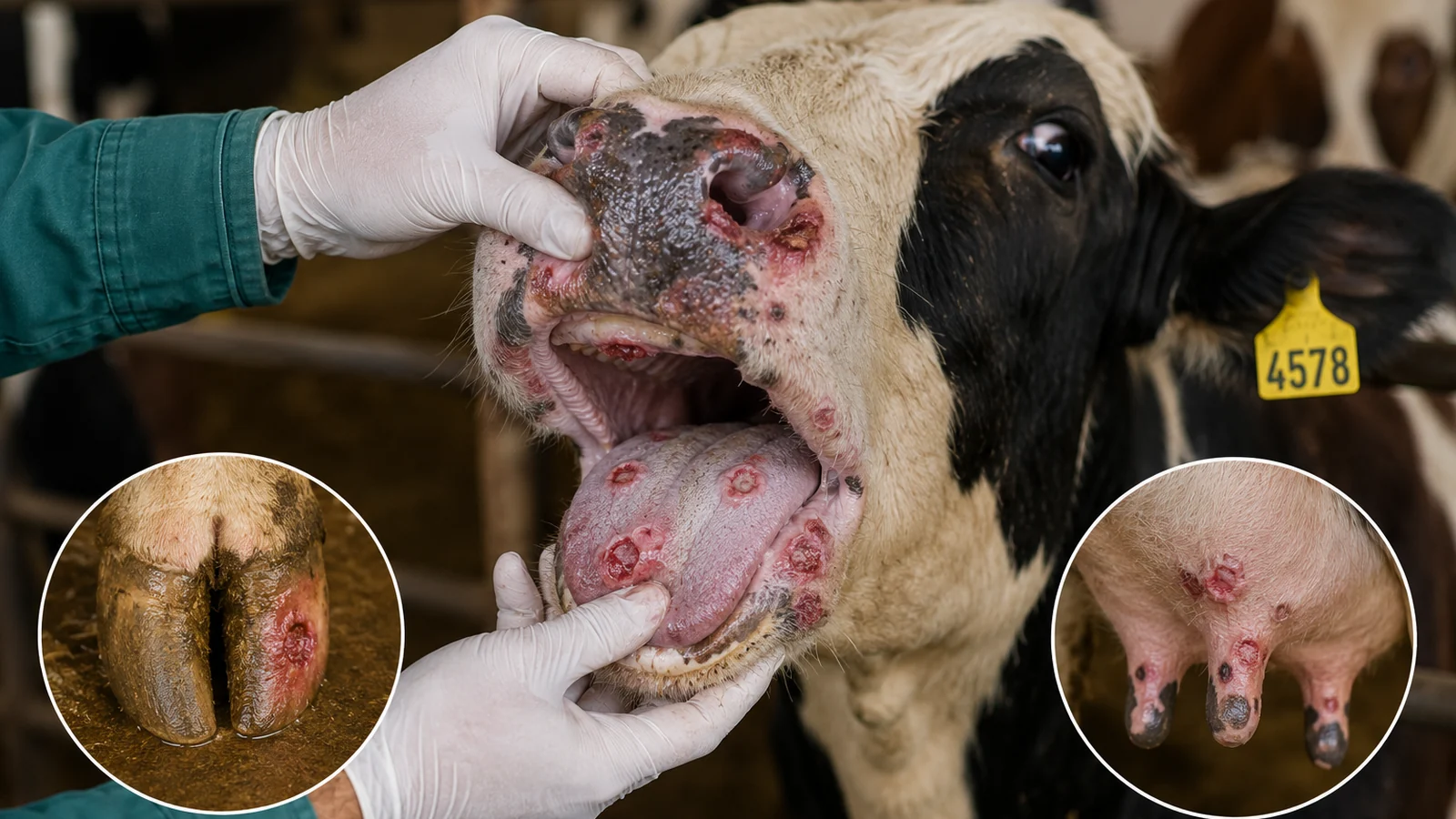
Foot-and-Mouth Disease in Livestock
Foot-and-mouth disease is a highly contagious viral disease of livestock. Learn its symptoms, routes of transmission, immediate actions, prevention principles, and when to report the disease.
 Flock management
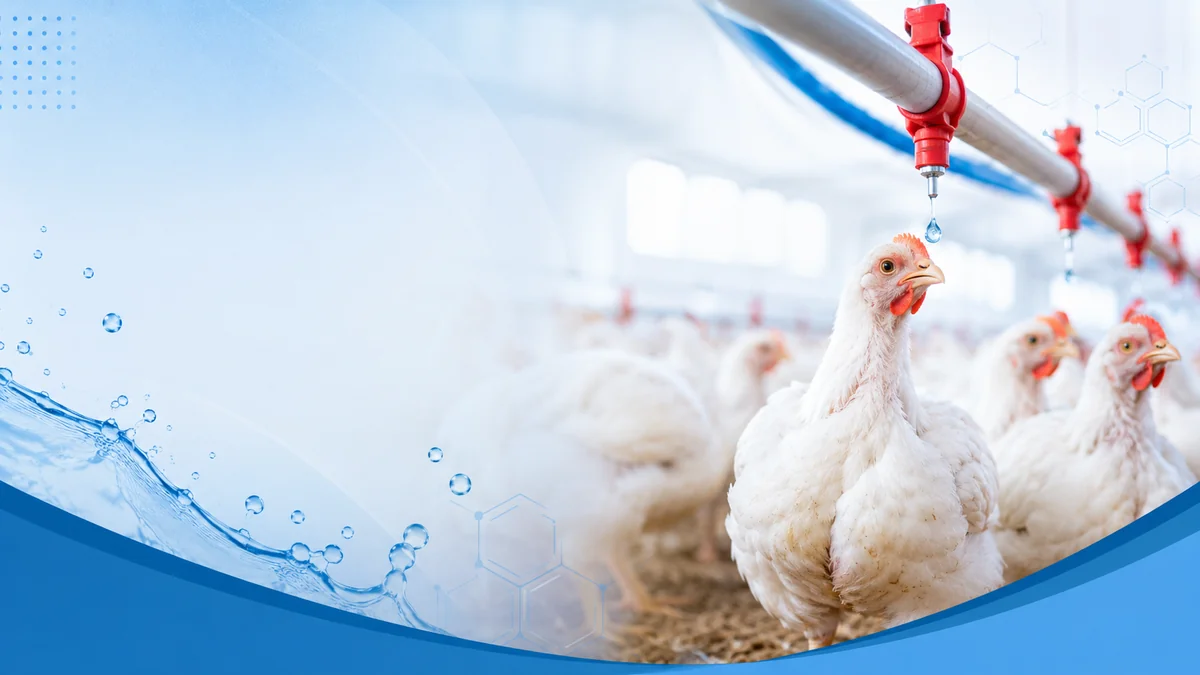
Drinking Water Quality in Poultry Farming
Water is the most heavily consumed nutrient in the flock, and even the slightest disruption in its quality or availability can immediately affect feed intake, body temperature, gut health, vaccination, and overall flock performance. Despite this importance, water quality receives less attention than feed on many farms.
 Flock management
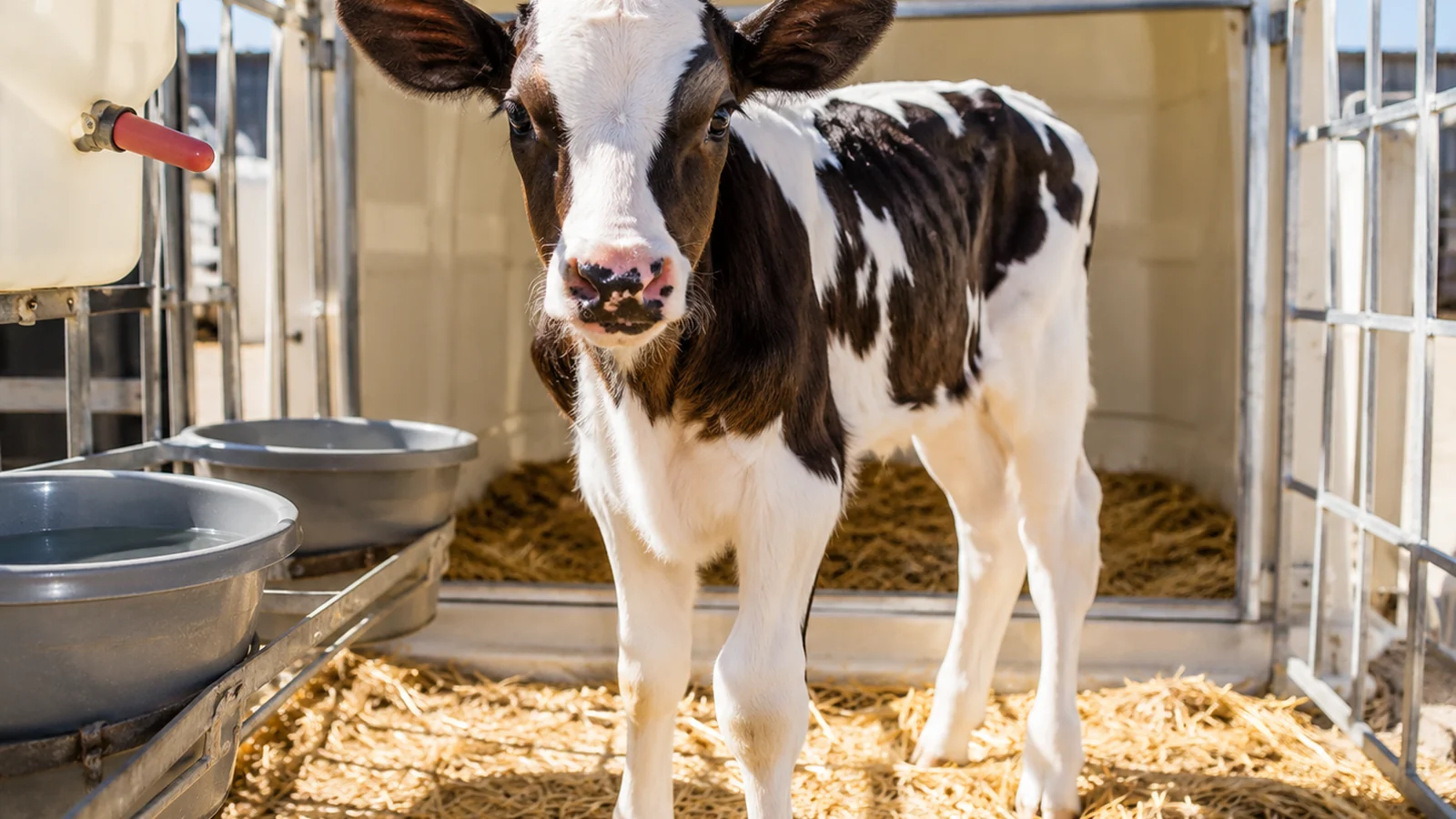
Factors Affecting Calf Growth
Calf growth depends on colostrum, milk, water, starter feed, gut health, and housing conditions. Learn about the factors that reduce growth and how to monitor it.
 Flock management
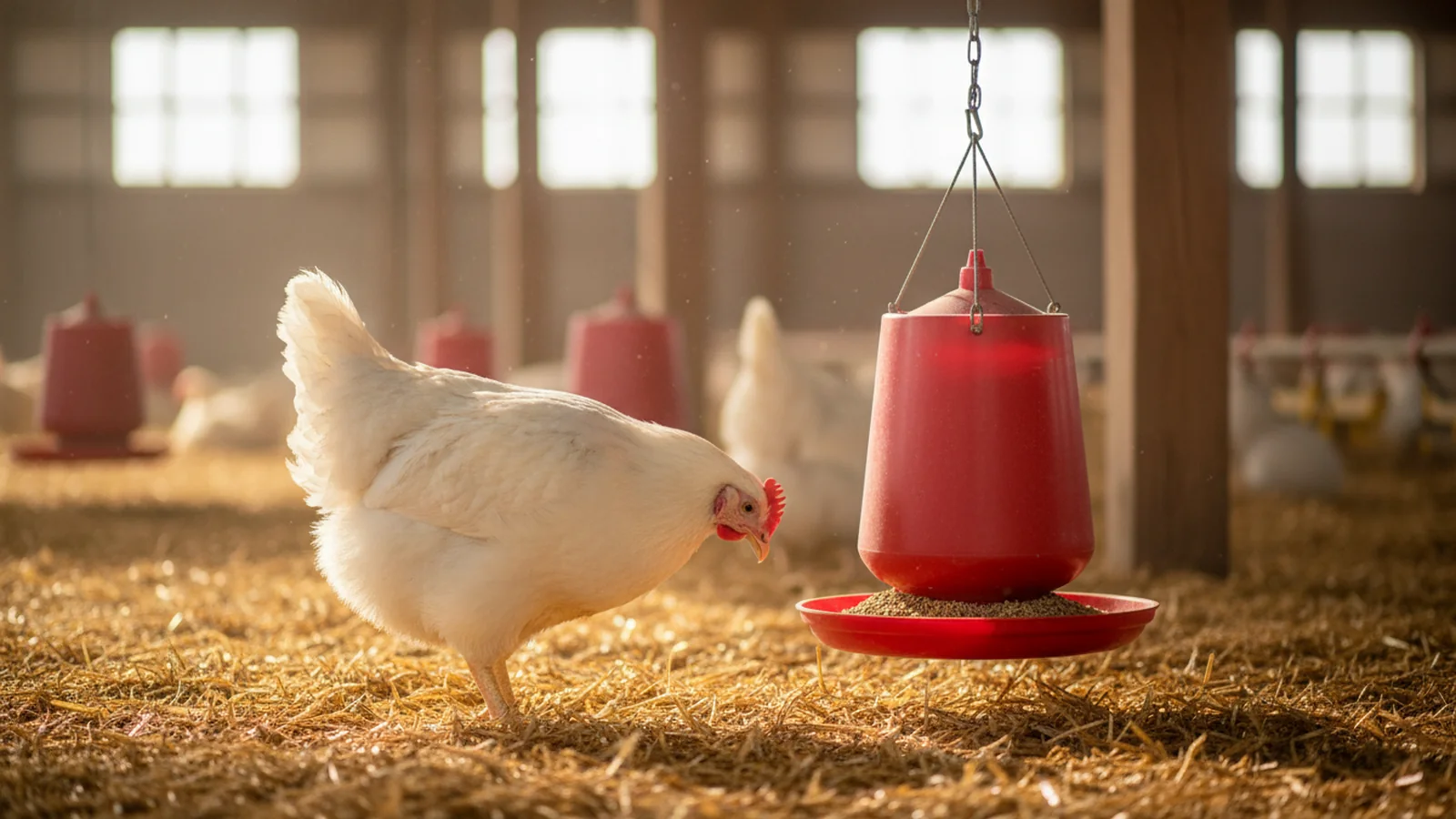
Reduced Feed Intake in Broilers: Causes and How to Investigate
A drop in feed intake is one of the earliest signs of a problem in the flock. A bird that eats less due to heat, disease, poor water or feed quality, pain, stress, or equipment issues will very quickly show slower growth and reduced uniformity. Because many causes produce similar signs, focusing solely on "boosting appetite" without identifying the underlying factor can delay diagnosis.
 Flock management
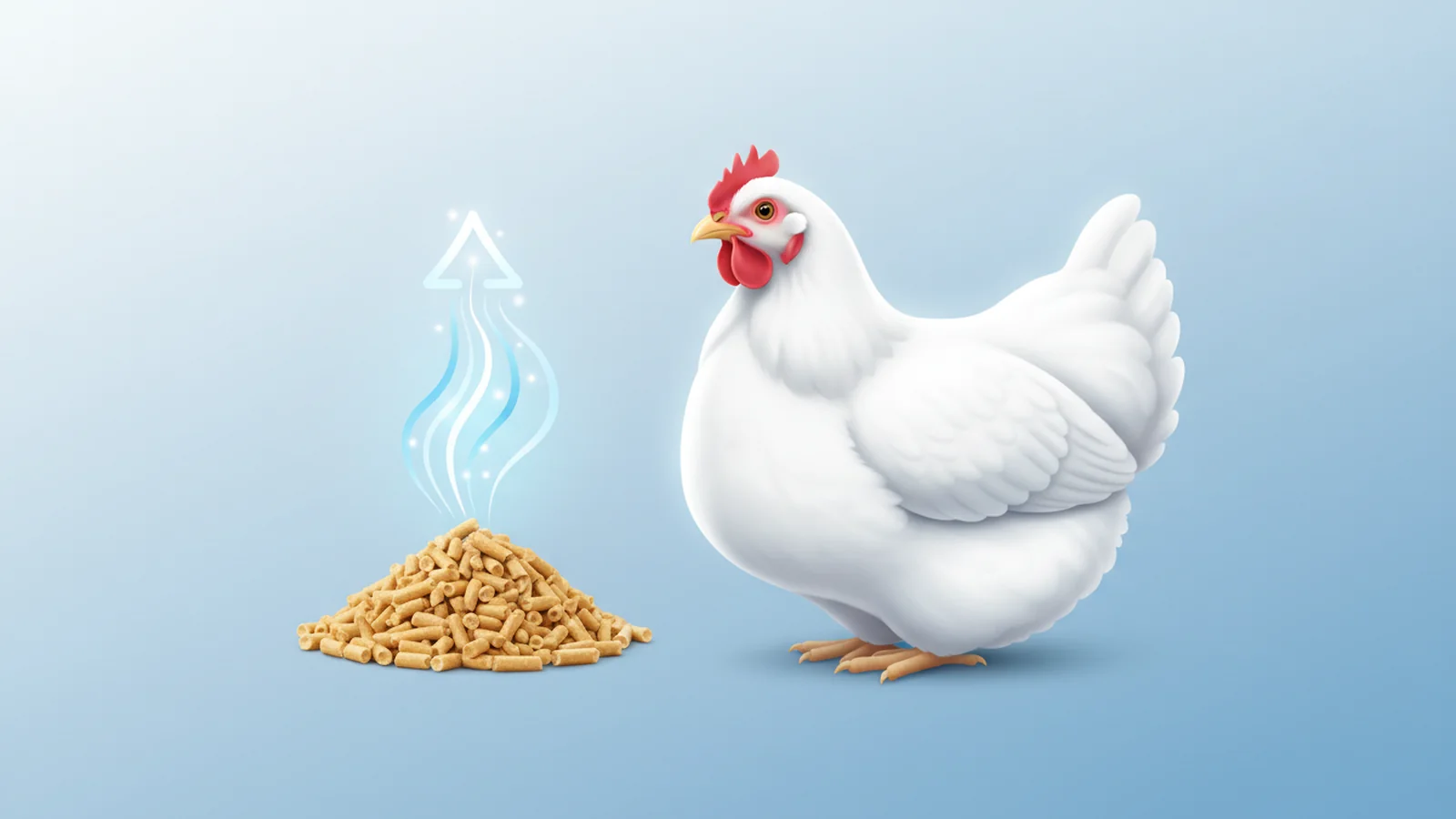
Factors Affecting FCR in Poultry: How to Improve the Feed Conversion Ratio
The feed conversion ratio (FCR) shows how much feed is consumed to produce each unit of live weight gain. In its simplest form, feed intake is divided by live weight gain. The lower this number, the more efficient the feed use; however, a comparison is only valid when age, final weight, mortality, sex, stocking density, and the calculation method are similar.
 Phytogenics
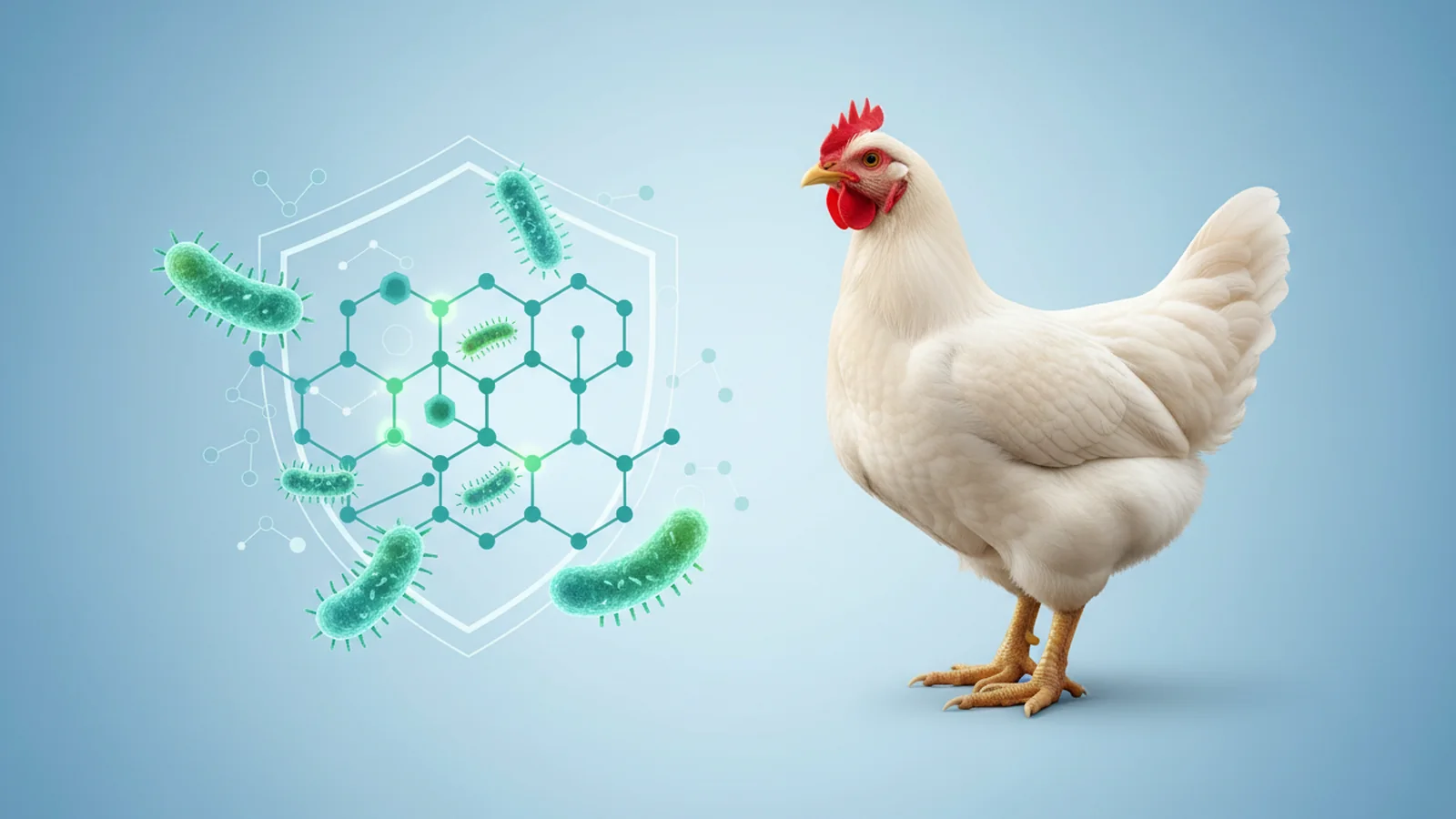
Antibiotic Resistance in Livestock and Poultry: Why Should It Be Taken Seriously?
Antimicrobial resistance, or AMR, occurs when microorganisms become less sensitive to drugs that previously controlled them. The result can be prolonged illness, reduced treatment success, higher costs, and the need for more restricted or complex drugs. This issue affects human, animal, and environmental health at the same time, which is why it is examined within the “One Health” framework.
 Phytogenics
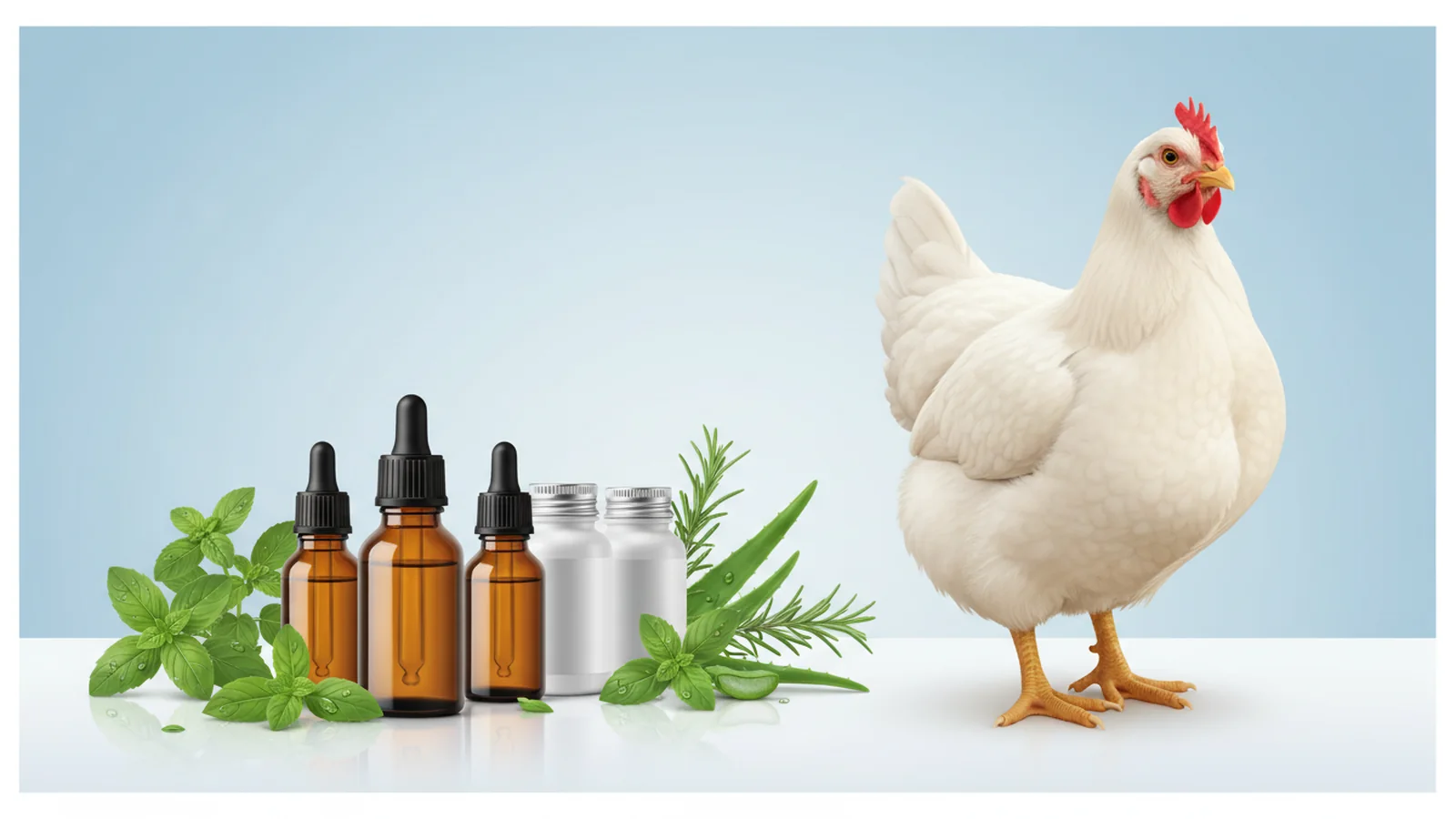
What Is the Difference Between an Essential Oil and a Plant Extract?
In descriptions of herbal products, the words "essential oil" and "extract" are sometimes used interchangeably, but scientifically they are not the same. Differences in the extraction method make the type of compounds, the concentration, the aroma, the solubility and even the final application differ. Understanding this distinction is essential for evaluating a formulation and comparing two products
 Phytogenics
How to Choose the Right Herbal Product for Poultry?
The growing number of herbal products on the market has made choosing harder. Having a plant's name on the label alone does not guarantee a product's quality or suitability. A suitable product must be designed for a clear purpose, contain defined and controlled active compounds, be usable at a practical dose, and provide evidence proportionate to its claim.
Phytogenics
Salmonella Infections in Poultry: Pullorum, Typhoid and Paratyphoid
Salmonella infections in poultry present in three forms — pullorum, typhoid and paratyphoid; we review the cause, signs, transmission, diagnosis and prevention of each.
Phytogenics
Avian Influenza: Symptoms, Transmission Routes, and Principles of Prevention and Control
Avian influenza is an acute, contagious viral disease of poultry; in this article you will learn about its types, symptoms, transmission routes, and methods of prevention and control.
Phytogenics
Newcastle Disease in Poultry: From Diagnosis to Prevention and Control
Newcastle disease, a highly contagious viral infection of poultry — from its definition and signs to post-mortem findings, diagnosis, vaccination, and methods of control and prevention.
Phytogenics
Avian Colibacillosis: Symptoms, Predisposing Factors, and Methods of Control and Prevention
Colibacillosis is one of the most common infectious diseases in poultry; in this article you will learn its definition, signs, routes of transmission, and the principles of its control and prevention.
 Phytogenics