Avian Colibacillosis: Symptoms, Predisposing Factors, and Methods of Control and Prevention
Disease Definition
Avian colibacillosis is one of the infectious diseases of birds, in which the bacterium Escherichia coli acts as the primary or secondary causative pathogen; it is a Gram-negative bacterium belonging to the family Enterobacteriaceae. The diseases caused by this agent include Hjärre's disease, coligranuloma, peritonitis, salpingitis (inflammation of the oviduct), synovitis (inflammation of the joint membranes), omphalitis (navel inflammation), and airsacculitis (inflammation of the air sacs).
Colibacillosis occurs in all types and ages of poultry, as well as in other birds and many mammals. Reported outbreaks in poultry have most often occurred in chickens, turkeys, and ducks. Infection is more common in young birds than in adults, and the disease is prevalent throughout the world.
The disease is transmitted through water and feed contaminated with the droppings and secretions of sick birds, and observing the principles of hygiene and biosecurity can prevent its spread.
Signs of the Disease
The various syndromes from which the bacterium Escherichia coli has been isolated are as follows:
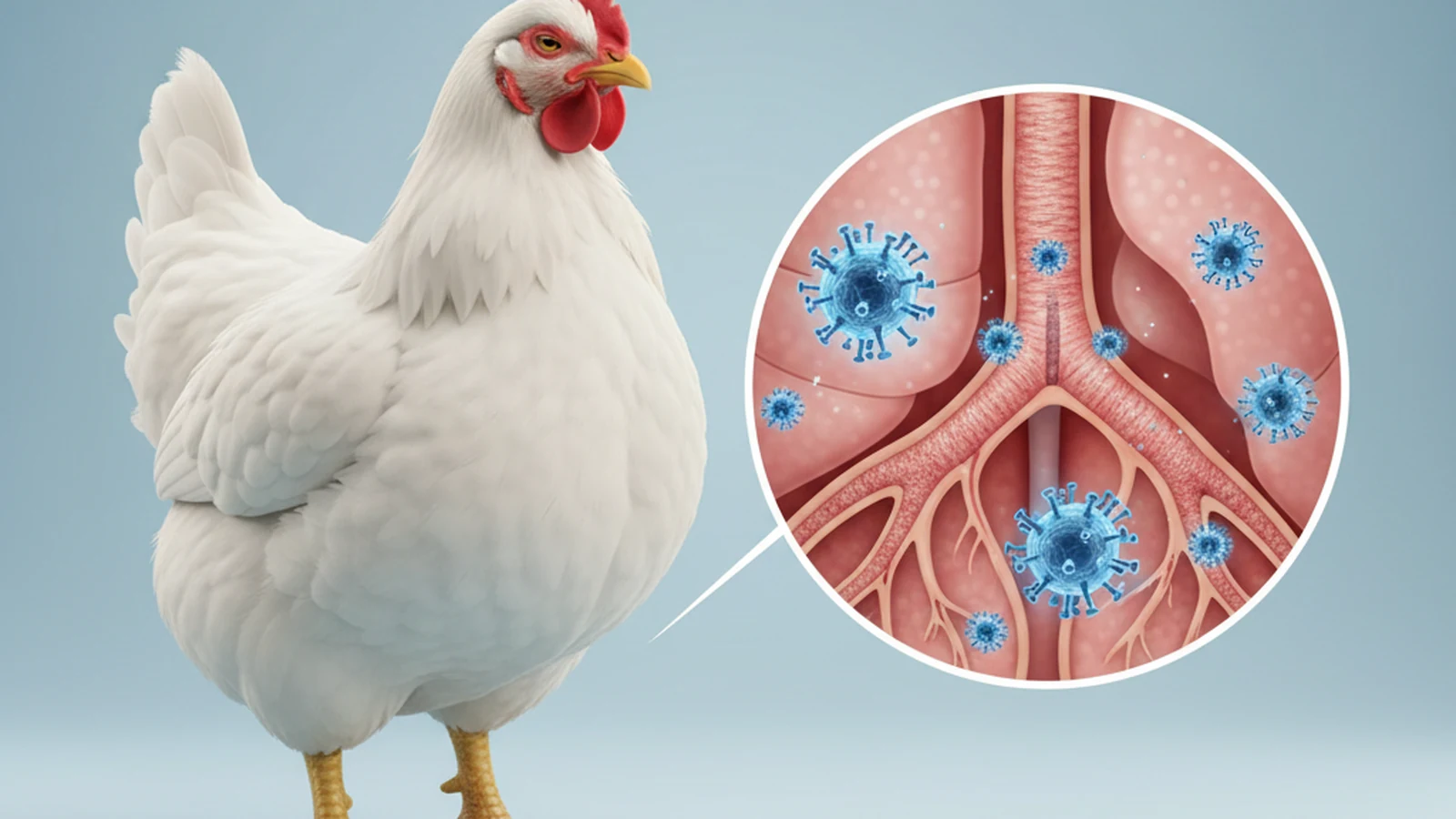
Airsacculitis (inflammation of the air sacs): In this condition, respiratory signs and respiratory distress of varying severity appear. Sometimes this syndrome results from dusty litter. It may develop following vaccination or infection with Mycoplasma, infectious bronchitis virus, Newcastle disease, or laryngotracheitis. In this condition the air sacs become thickened, and in severe cases caseous exudate is present in the air sacs, often accompanied by adhesive pericarditis and fibrinous perihepatitis. Airsacculitis in broiler chicks occurs mainly between 3 and 7 weeks of age, with the likelihood of occurrence peaking at 5 to 6 weeks of age.
Omphalitis (navel infection): Various microbes such as Aerobacter, Proteus, Salmonella, Bacillus, Staphylococcus, enterococci (intestinal streptococci), and Clostridia have frequently been isolated from the yolk sac of the embryo and the navel of chicks, most of which were mixed infections. Escherichia coli is often isolated in pure culture from newly hatched chicks that show varying mortality along with huddling and septicemia. The navel is swollen and infected, and the bird appears wet. At necropsy, abnormal material is seen in the yolk sac as well as peritonitis.
Acute septicemia: The septicemic disease caused by Escherichia coli is similar to fowl typhoid and fowl cholera. In the acute form of the disease, death occurs suddenly, and the rates of morbidity and mortality vary. The birds that die are in good body condition, with a fat, muscular breast and a crop full of feed.
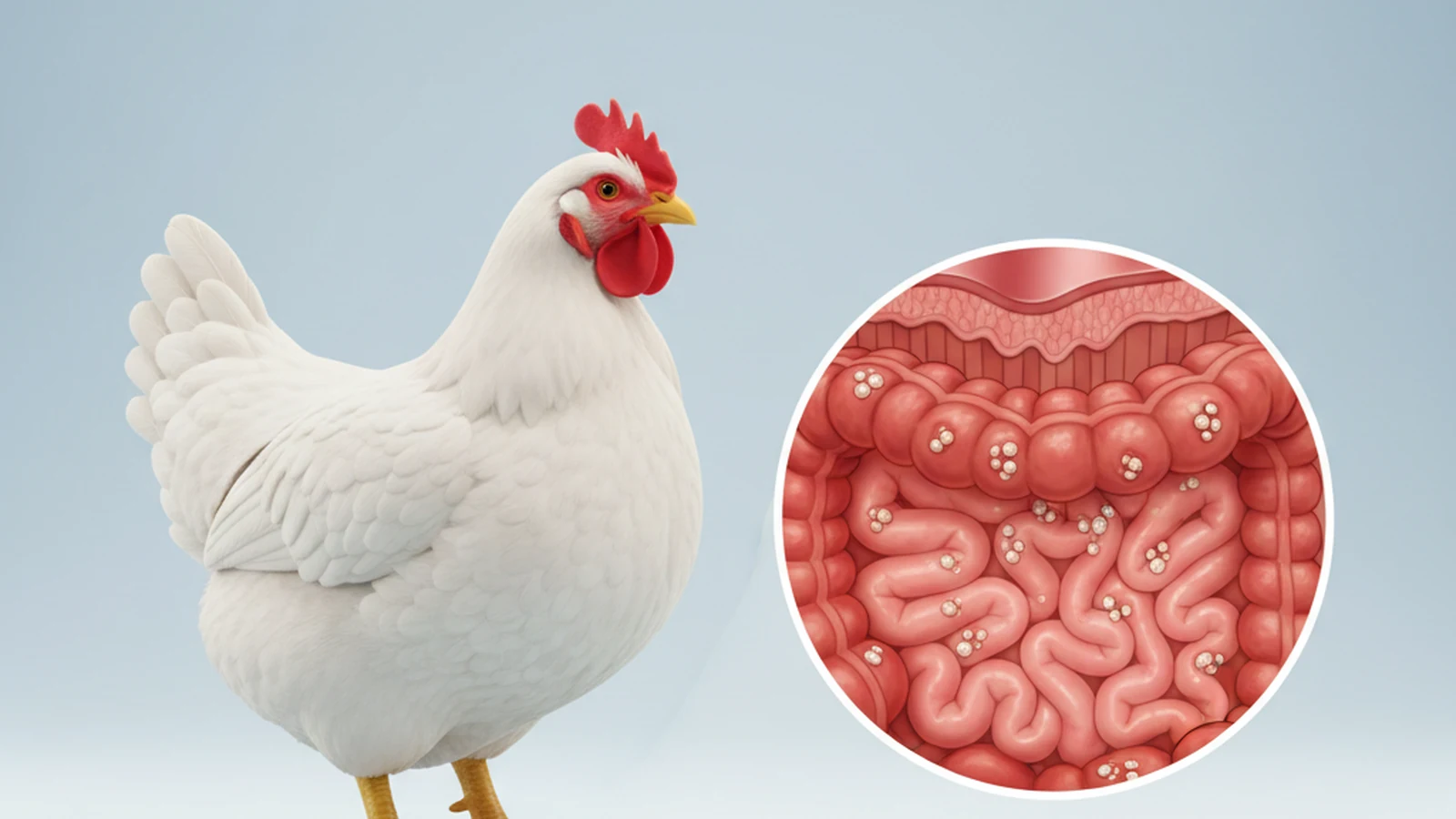
Intestinal infections: In this form of the disease diarrhea is present, and at necropsy inflammation of the intestine is often accompanied by increased mucous secretions.
Oviduct infection: These lesions may develop after coliform bacteria enter through the cloaca of a laying hen. When the larger air sacs in the left part of the abdomen become infected with Escherichia coli, the likelihood of chronic salpingitis increases. Affected birds usually die within six months of infection and never lay eggs.
Hjärre's disease (coligranuloma): This form of the disease, which occurs in turkeys and chickens, is uncommon and has variable signs. Nodules form along the intestines, mesentery, and liver, but do not involve the spleen. These lesions resemble those of tuberculosis.
Inflammation of the joints and synovial membrane: Affected birds become paralyzed or recumbent, and one or more tendon sheaths or joints become swollen. Many birds recover within a week, while the rest develop the chronic form of the disease.
Panophthalmitis: In this condition the anterior chamber of the eye usually suppurates, causing blindness of the bird's eye.
Pericarditis: Most strains of Escherichia coli cause pericarditis following a septicemia. Usually in this condition a myocarditis develops along with changes in the pericardial cavity, and the epicardium becomes edematous.
Necropsy Findings
- Frothy and purulent air sacs
- Inflammation of the crop
- Perihepatitis and pericarditis
- Inflammation of the cecum
- Hemorrhage of the intestines
- Enteritis
- Cellulitis
- Swollen Head Syndrome (SHS)
Predisposing Factors (Risk Factors)
Diseases such as mycoplasmosis, infectious bronchitis, Newcastle disease, subacute influenza, turkey hemorrhagic enteritis, and turkey bordetellosis create favorable conditions for Escherichia coli to establish itself in the flock.
Improper ventilation, temperature, and humidity, as well as rearing stresses, can also affect the pathogenicity of colibacillosis.
Diagnosis of the Disease
The initial diagnosis of colibacillosis is based on the isolation of coliforms and the determination of their pathogenicity.
Control and Prevention
To control and prevent the disease, basic principles of hygiene must be observed, all diseases, parasites, and other stresses on the flock should be eliminated as far as possible, and contamination of the birds' water and feed with droppings should be prevented.
To treat the digestive signs associated with this infection, Antosil is an oral solution and a combination of several natural plant essential oils that, thanks to its high percentage of active ingredients, reduces intestinal inflammation and spasm, combats bacterial infections, and prevents the development of oxidative stress. Among the benefits of using this product are the following:
- Prevention and treatment of enteritis and clostridial, salmonella, and colibacillosis infections
- Reduction of digestive inflammation and hemorrhage
- Balancing intestinal pH and controlling the conditions of the intestinal microflora
- Reducing cases of diarrhea and helping intestinal integrity
- Inhibiting the growth and proliferation of pathogenic bacteria and fungi
In cases of respiratory involvement, Mentosil is a one-hundred-percent herbal expectorant that improves the respiratory signs of poultry and can be used dissolved in the drinking water of poultry rearing houses. Mentosil contains natural plant essential oils that, with their high percentage of active ingredients and multifaceted effects, thin respiratory secretions and improve airflow, provide antioxidant effects, and reduce inflammation. The benefits of using Mentosil are as follows:
- Expectoration and clearing of the respiratory tract
- Treating and reducing the 30 to 50 percent mortality caused by respiratory complexes (bronchitis, influenza, Newcastle, and CRD)
- Reducing the outward signs in chicks (respiratory sounds, coughing, nasal discharge, and lethargy)
- Anti-inflammatory and antiviral properties
- Protection against free radicals and antioxidant properties
- Reducing weight retardation at the time of the appearance of signs
Mentosil is a completely natural compound and has no side effects, drug residues, or withdrawal period. Also, because it contains several diverse active compounds, there is no possibility of resistance developing against it.
Phytogenics are not a substitute for good flock management; they are a complementary tool for it. The best results come when they are used alongside biosecurity, balanced nutrition and a vaccination program.
The global picture at a glance
The European Union has banned growth-promoting antibiotics since 2006, and the global market for phytogenic additives is on a steady growth path — with growing application across both poultry and livestock.
$1.05 → $1.48 billion
Global phytogenics market, 2024–2030
Grand View Research / MarketsandMarkets
Since 2006
EU ban on growth-promoting antibiotics
EU Regulation 1831/2003
Note: This piece is sample general educational content for information only; it is not a substitute for the advice of the flock’s supervising veterinarian. Asadaru supplements are supportive and preventive and are not a substitute for treatment or vaccination. The final article texts are provided and reviewed by the client.