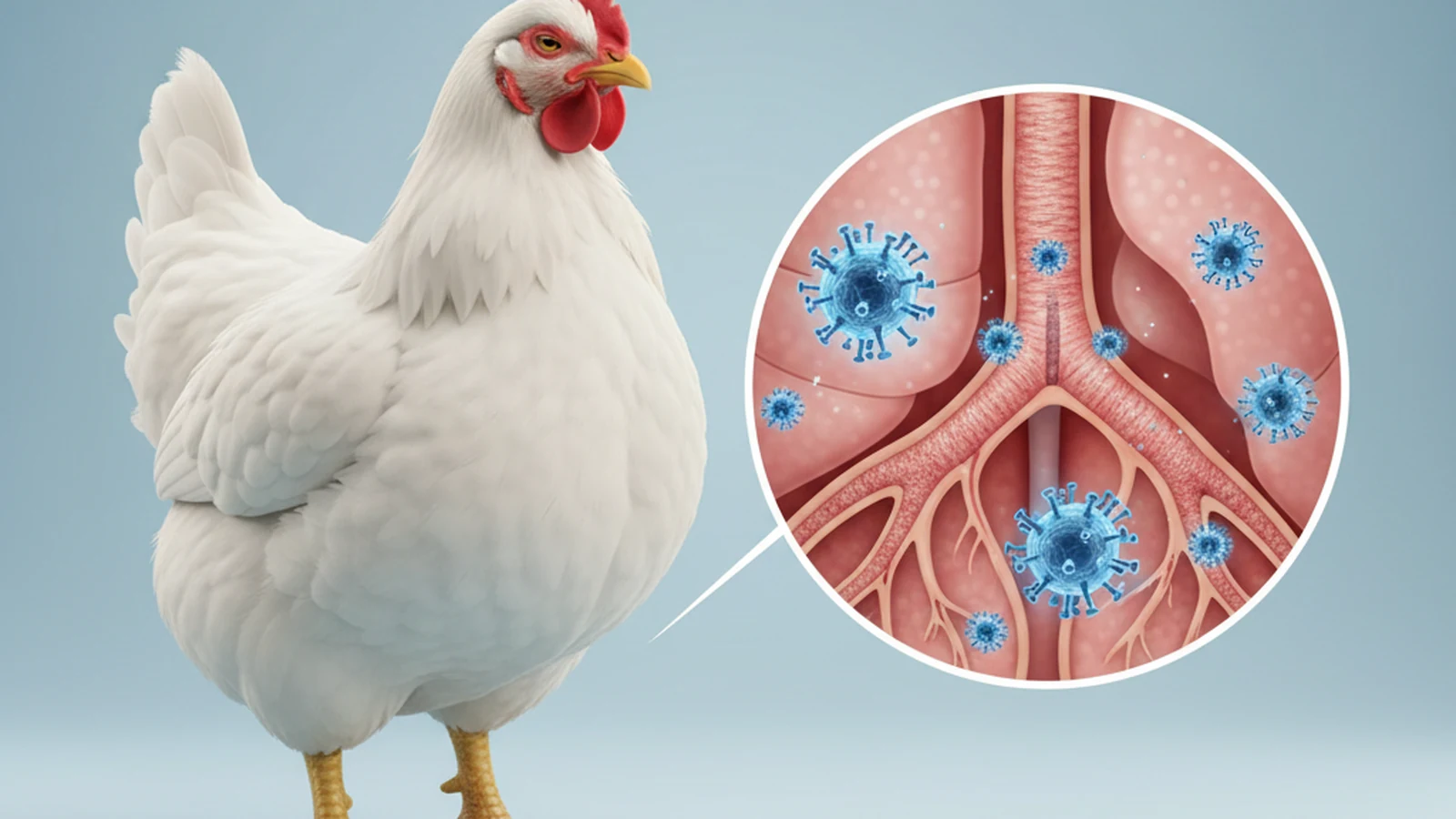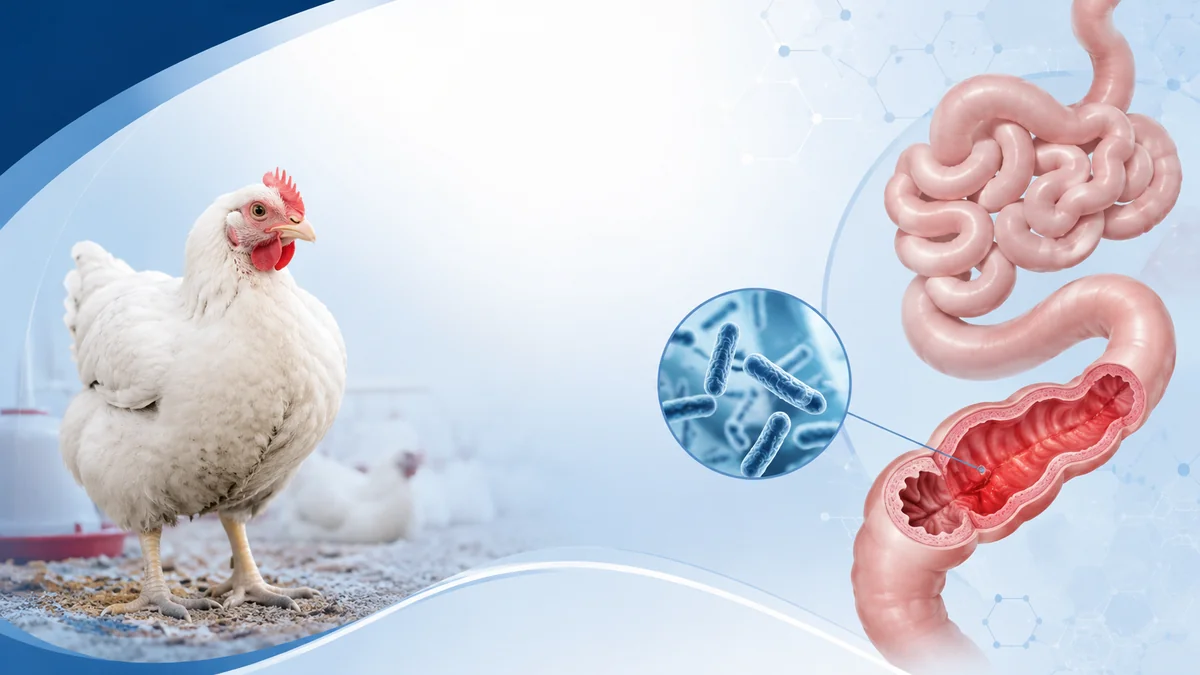
Coccidiosis in Poultry: From Symptoms and Transmission to Prevention, Control, and Treatment
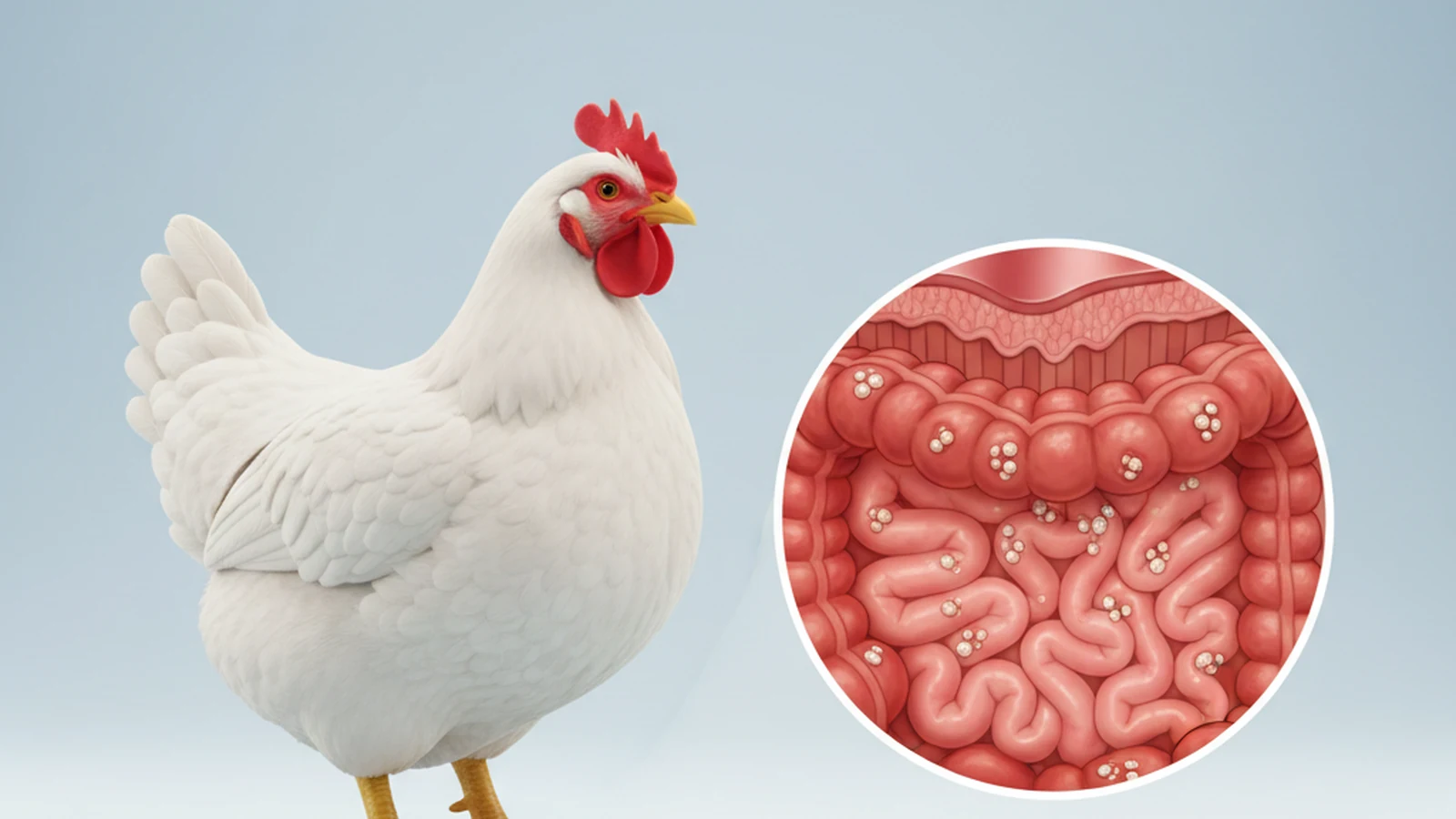
Poultry coccidiosis is the most common and most damaging protozoan disease of domestic poultry and many other birds, and is often characterized by diarrhea and intestinal inflammation.
Occurrence of the Disease
Coccidiosis is a common disease in chickens and, to a lesser extent, in turkeys. The disease sometimes occurs in geese, ducks, guinea fowl, pigeons, pheasants, quail, partridges, and probably many other birds. Coccidiosis is usually seen in young, growing birds, but it may also occur in older, susceptible birds.
The disease usually occurs under warm and very humid conditions (humidity of 20 to 40 percent and a temperature of 24 to 28 degrees) or conditions that lead to wetting of the litter.
Etiology
Coccidiosis in chickens and turkeys is caused by species of Eimeria. Eimeria species are host-specific; therefore, they are not transmitted between different poultry species.
In poultry, 7 species of Eimeria are known, classified according to the site of the disease lesions and the size of the oocysts. The more common species in the livestock and poultry industry are: E. acervulina, E. necatrix, E. maxima, and E. tenella.
Life Cycle and Epidemiology
Eimeria has a direct life cycle and no intermediate host. Eimeria species are host-specific and cause infection only in their own host species. The life cycle of Eimeria species begins with the ingestion of sporulated, infective oocysts by the host and comprises three main stages; the first two stages (sexual and asexual division) occur inside the host's body, followed by the sporogony (sporulation) stage in the external environment, during which the oocyst sporulates and comes to contain 8 sporozoites.
Depending on the Eimeria species and environmental conditions, this cycle takes 2 to 4 weeks. When Eimeria enters a facility, it rapidly spreads throughout the entire flock over several cycles and can affect up to 100 percent of the flock. Each sporulated oocyst is capable of producing millions of oocysts within just 21 days during the internal phase, and this capacity leads to high environmental contamination. Sporulated oocysts are stable in the environment and, under moderate temperature and humidity conditions, survive from weeks to months.
Several factors facilitate the spread of coccidiosis, including:
- A direct life cycle without an intermediate host
- Fecal-oral transmission
- The persistence of oocysts in the environment
- The lack of cross-species immunity against different Eimeria species
- Shedding of oocysts in large numbers
- The high stocking density of industrial poultry farms
- The creation of favorable conditions for the sporulation of oocysts
Pathogenesis
The pathogenesis of coccidiosis occurs through the direct destruction of the intestinal epithelial cells during asexual (merogony) and sexual (gamogony) multiplication. About 95 percent of disease occurrence is in the subclinical form, which manifests as reduced growth performance, decreased feed efficiency, reduced production, and reduced weight gain. In the clinical form of coccidiosis, pasty, watery, or bloody diarrhea, lethargy and reduced activity, noticeable growth reduction, an increased feed conversion ratio, and increased mortality are seen.
Coccidiosis also facilitates the onset of necrotic enteritis and simultaneous infection with other pathogenic bacteria such as Salmonella, Listeria monocytogenes, enteric viruses, and infectious bronchitis virus. In addition to enteric pathogens, this disease has a positive association with the causative virus of infectious bursal disease (IBDV) and with Clostridium species that cause dermal infection. Concurrent infection with internal and external parasites is also common in Eimeria infections.
Clinical Signs
Clinical signs may vary from none to one or more of the following:
- Lethargy
- Ruffled feathers
- Loss of appetite
- Weight loss
- Diarrhea (watery, bloody, and chocolate-colored)
- Reduced egg production
Necropsy Findings
- Hemorrhagic enteritis
- Mild to moderate inflammation
- The presence of necrotic foci in the intestinal wall (zebra-striped lines)
- Hemorrhage of the intestinal wall
Routes of Transmission and Epidemiology
The most important routes and agents of disease transmission are:
- Litter contaminated with the feces of infected chickens
- Dust, insects, and wild birds
- Boots, shoes, and clothing
- Poultry transport crates and the wheels of vehicles
- Humans
- Immune chicks that, after reinfection, become carriers of the disease and shed oocysts for a long period
The disease most often occurs at 3 to 6 weeks of age and rarely occurs in flocks younger than 3 weeks.
Diagnosis
The disease is diagnosed based on the following:
- Clinical signs
- Characteristic macroscopic lesions
- Finding oocysts or the asexual stages of the parasite
- Histopathology
Note that the presence of oocysts of a pathogenic Eimeria species in the feces is not by itself an indicator of the existence of clinical disease. On the other hand, acute coccidiosis may present with severe signs or may even cause the death of the bird before oocysts appear in the feces.
Prevention and Control
Use of vaccines: To establish adequate immunity, the parasite's life cycle must be repeated 2 to 3 times in the body, and in this case a high degree of care must be applied in management.
Assuming that the birds are permanently exposed to the oocysts of the important coccidia species, a broad-spectrum anticoccidial drug is used to protect the birds during weeks 6 to 12. With this method, adequate immunity may not be achieved due to the low number of oocysts. Weather conditions and different seasons may also render this method not fully usable. Of course, no program is able to create complete flock immunity against the disease, and occasionally cases of the disease may be observed at the flock level.
The initial aim is to control infection in breeder hens and laying pullets. The routes of vaccine administration can be as follows:
- Drinking water
- Administration in feed
- Individual oral administration at the hatchery using automatic machines
The main characteristic of a coccidiosis vaccine must be that it is multivalent; that is, it must contain multiple oocysts or all species, because the immune defense against each of the seven Eimeria species is specific. Vaccination is carried out at 7 to 10 days of age, which coincides with the immunological and physiological development of the bird and the onset of immune defense. All anticoccidial vaccines contain attenuated oocysts.
Treatment
The use of chemical anticoccidial drugs has long been common on poultry farms. Today, due to the development of resistance to these drugs, various methods and programs have been proposed to prolong the time it takes for resistance to develop, among which is the use of herbal compounds for the prevention and treatment of coccidiosis.
Paracil is an oral solution containing several natural plant essential oils with a high percentage of active ingredient, which reduces the sporulation rate of the Eimeria parasite, inhibits the process of Eimeria oocyst formation, and improves the performance of the digestive system. Paracil can be used dissolved in the drinking water of poultry rearing houses, and the benefits of its use include the following:
- Prevention and treatment of coccidiosis
- Reduction of Eimeria oocyst shedding in the feces
- Reduction of cecal lesions
- Improvement of litter condition
- Improvement of digestive system health
- Improvement of growth performance and feed conversion ratio
Paracil is a completely natural compound and has no side effects, drug residues, or withdrawal period. Also, due to having several diverse active compounds, there is no possibility of resistance developing against it.
Phytogenics are not a substitute for good flock management; they are a complementary tool for it. The best results come when they are used alongside biosecurity, balanced nutrition and a vaccination program.
The global picture at a glance
The European Union has banned growth-promoting antibiotics since 2006, and the global market for phytogenic additives is on a steady growth path — with growing application across both poultry and livestock.
$1.05 → $1.48 billion
Global phytogenics market, 2024–2030
Grand View Research / MarketsandMarkets
Since 2006
EU ban on growth-promoting antibiotics
EU Regulation 1831/2003
Note: This piece is sample general educational content for information only; it is not a substitute for the advice of the flock’s supervising veterinarian. Asadaru supplements are supportive and preventive and are not a substitute for treatment or vaccination. The final article texts are provided and reviewed by the client.