What Does Wheezing in Chickens Indicate?

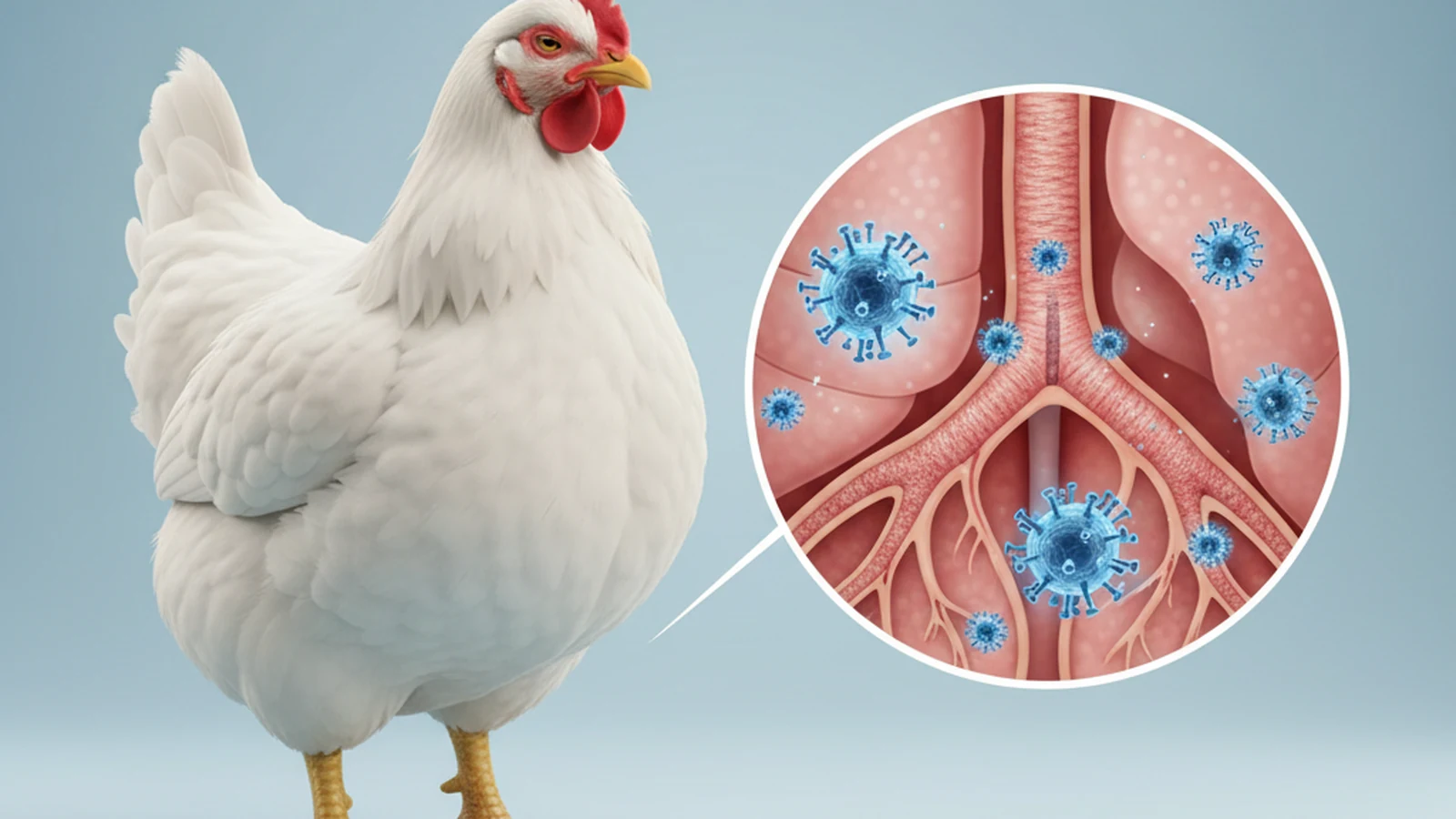
Wheezing or abnormal respiratory sounds in poultry are a sign, not a diagnosis. This symptom can result from tracheal inflammation, secretions and mucus, air-sac involvement, viral and bacterial infections, or even excessive ammonia and dust. Therefore, seeing a single sign alone should not lead to a hasty conclusion about the causative agent of the disease.
In practice, wheezing is usually assessed together with other signs such as sneezing, open-mouth breathing, neck stretching, reduced feed intake, and increased mortality. A correct diagnosis requires attention to flock age, the vaccination program, air quality, necropsy findings, and, if needed, laboratory testing.
The most important causes of wheezing
- Infectious bronchitis
- Newcastle disease with respiratory involvement
- Mycoplasma and CRD
- ORT and other respiratory bacteria
- High ammonia and poor ventilation
- Thick mucus or partial obstruction of the airways
When is wheezing concerning?
- When it is accompanied by mortality or a severe drop in performance
- When a large number of birds are affected at the same time
- When it is accompanied by sinus swelling, discharge, or open-mouth breathing
- When necropsy reveals lesions of the trachea or air sacs
Essential examinations
- Monitoring temperature, humidity, and ammonia in the house
- Listening for respiratory sounds in different sections of the house
- Targeted necropsy and examination of the trachea, lungs, and air sacs
- Submitting a suitable sample for laboratory diagnosis
Principles of management
- Improving ventilation and air quality
- Investigating the underlying cause and specific treatment only on a veterinarian's advice
- Supporting the clearance of secretions and reducing mucus thickness when necessary
- Reducing stress and preventing overcrowding
FAQ
Does every case of wheezing require antibiotics? No. The cause must first be determined.
Can ammonia cause wheezing? Yes, mucosal damage caused by ammonia is one of the important factors.
What is the difference between wheezing and sneezing? Wheezing refers more to the sound of air passing through the affected airways, whereas sneezing is a rapid reflex.
Call to action
In cases where thick secretions and mucus play a role in respiratory problems, Mentosil is presented as a relevant supportive option. For further reading, see the Mentosil product page.
Suggested internal links
- Avian infectious bronchitis
- Mucus and respiratory secretions
- Mentosil product page
- Scientific consultation form
Phytogenics are not a substitute for good flock management; they are a complementary tool for it. The best results come when they are used alongside biosecurity, balanced nutrition and a vaccination program.
The global picture at a glance
The European Union has banned growth-promoting antibiotics since 2006, and the global market for phytogenic additives is on a steady growth path — with growing application across both poultry and livestock.
$1.05 → $1.48 billion
Global phytogenics market, 2024–2030
Grand View Research / MarketsandMarkets
Since 2006
EU ban on growth-promoting antibiotics
EU Regulation 1831/2003
Note: This piece is sample general educational content for information only; it is not a substitute for the advice of the flock’s supervising veterinarian. Asadaru supplements are supportive and preventive and are not a substitute for treatment or vaccination. The final article texts are provided and reviewed by the client.