Necrotic Enteritis in Poultry: Signs and Control Strategies
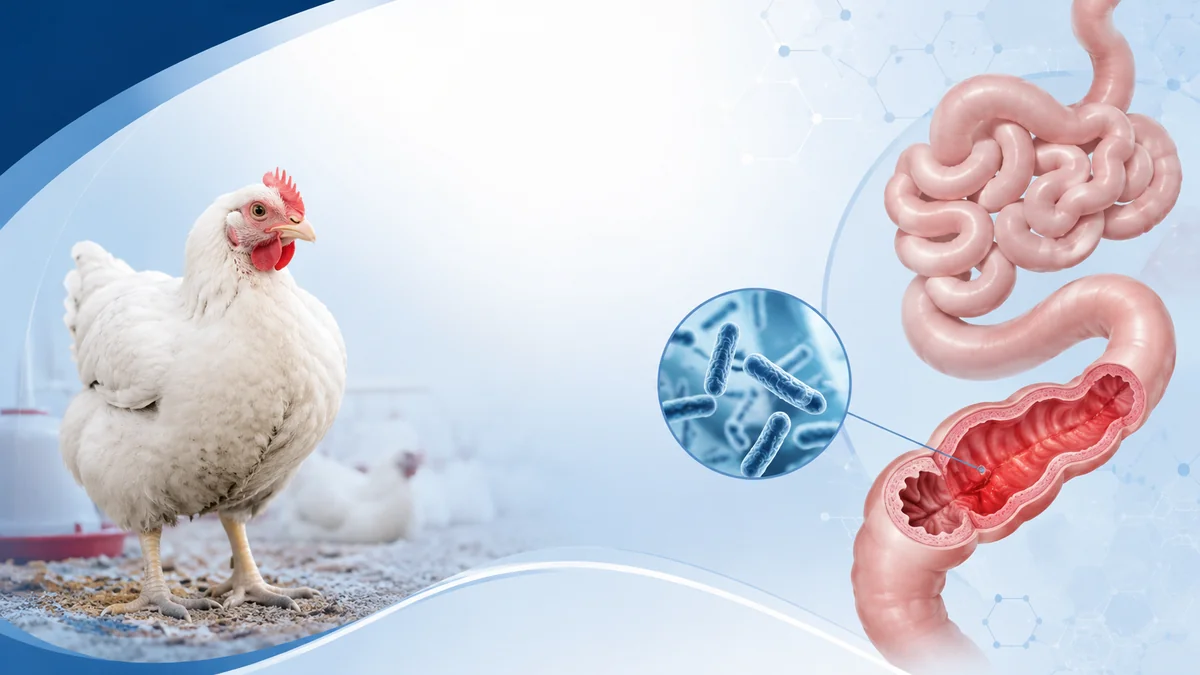
Necrotic enteritis is one of the major digestive diseases in poultry, usually associated with overgrowth of Clostridium perfringens in the gut and severe mucosal damage. The disease may appear acutely with increased mortality, or in a subclinical form cause considerable economic loss through reduced growth, a higher feed conversion ratio, and lower uniformity.
The onset of necrotic enteritis is usually not the result of a single factor. Many flocks show no severe involvement until a predisposing condition arises, such as coccidiosis, a change in diet, mucosal damage, poor digestion, or environmental stress. For this reason, managing the disease requires a multifactorial approach.
Predisposing factors
- Coccidiosis and damage to the intestinal mucosa
- Diets with low digestibility or a high level of undigested protein
- Sudden diet changes and a drop in raw-material quality
- High stocking density, stress, and litter moisture
- Disturbance of the intestinal microbial balance
Signs and symptoms
- A sudden or gradual increase in mortality
- Reduced feed intake and slower growth
- Lethargy and ruffled feathers
- Diarrhea or a change in droppings consistency
- A worsening feed conversion ratio and reduced uniformity
Typical lesions
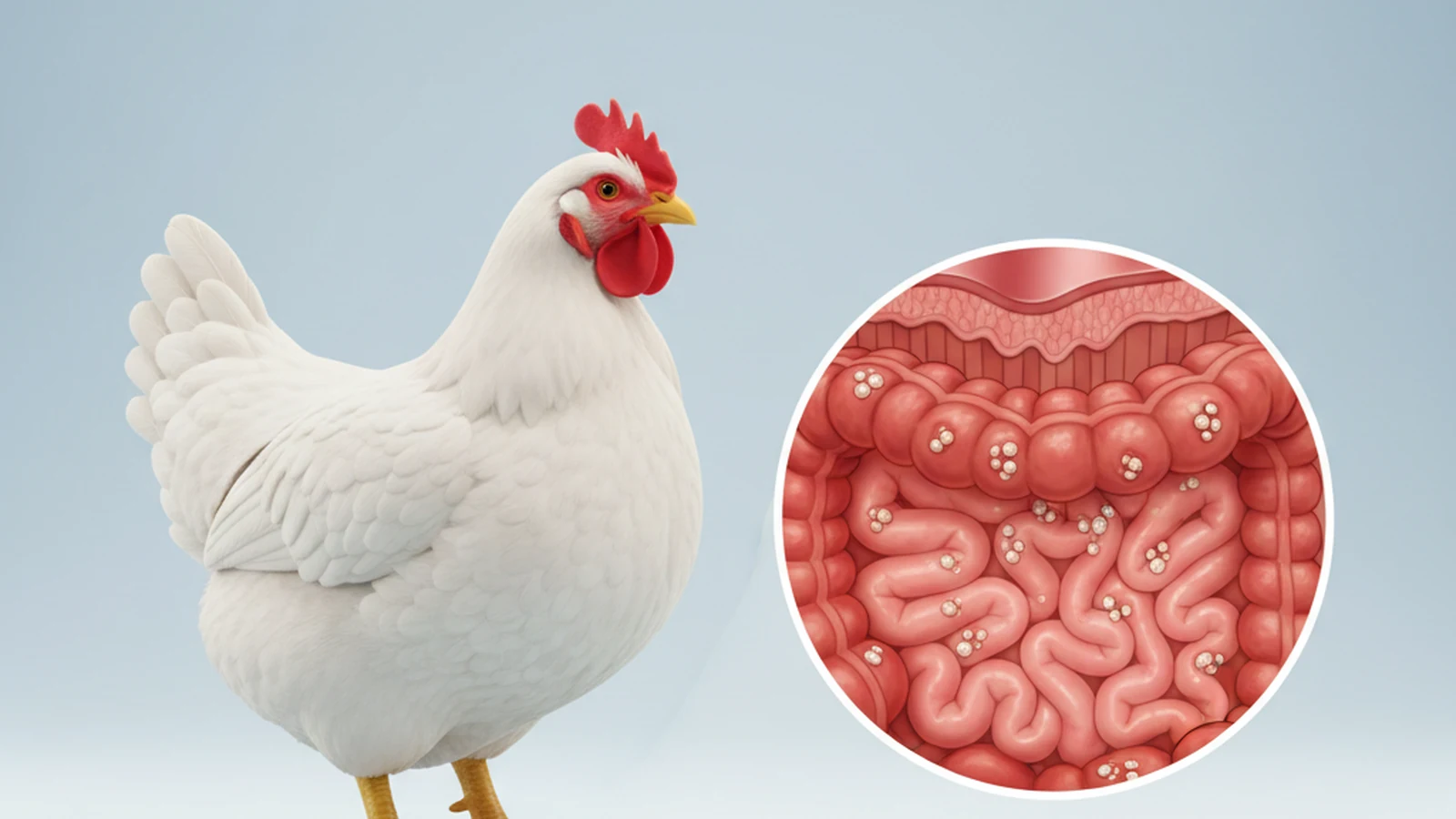
- A distended, friable small intestine
- Presence of a necrotic membrane or material resembling a lining on the wall
- Severe mucosal inflammation and sometimes a foul odor
- Concurrence with coccidiosis lesions in some cases
Principles of control
- Identifying and controlling underlying factors such as coccidiosis
- Adjusting the diet and paying attention to raw-material digestibility
- Managing litter and house humidity
- Continuous monitoring of intestinal lesions
- Using supportive measures and control programs under veterinary supervision
FAQ
Is necrotic enteritis always accompanied by heavy mortality? No. The subclinical form is also very important and costly.
Does the presence of Clostridium alone mean disease? No. This bacterium may be present in the gut, but predisposing factors are needed for the disease to develop.
Is controlling coccidiosis important in preventing necrotic enteritis? Yes, it is one of the most important steps.
Call to action
As part of programs that support gut health and help manage digestive challenges such as necrotic enteritis, Carvacil is presented as the related solution for this article. For more information, see the Carvacil product page.
Suggested internal links
- Gut health in broiler chickens
- Coccidiosis in poultry
- Carvacil product page
- Wet litter in poultry farming
Phytogenics are not a substitute for good flock management; they are a complementary tool for it. The best results come when they are used alongside biosecurity, balanced nutrition and a vaccination program.
The global picture at a glance
The European Union has banned growth-promoting antibiotics since 2006, and the global market for phytogenic additives is on a steady growth path — with growing application across both poultry and livestock.
$1.05 → $1.48 billion
Global phytogenics market, 2024–2030
Grand View Research / MarketsandMarkets
Since 2006
EU ban on growth-promoting antibiotics
EU Regulation 1831/2003
Note: This piece is sample general educational content for information only; it is not a substitute for the advice of the flock’s supervising veterinarian. Asadaru supplements are supportive and preventive and are not a substitute for treatment or vaccination. The final article texts are provided and reviewed by the client.