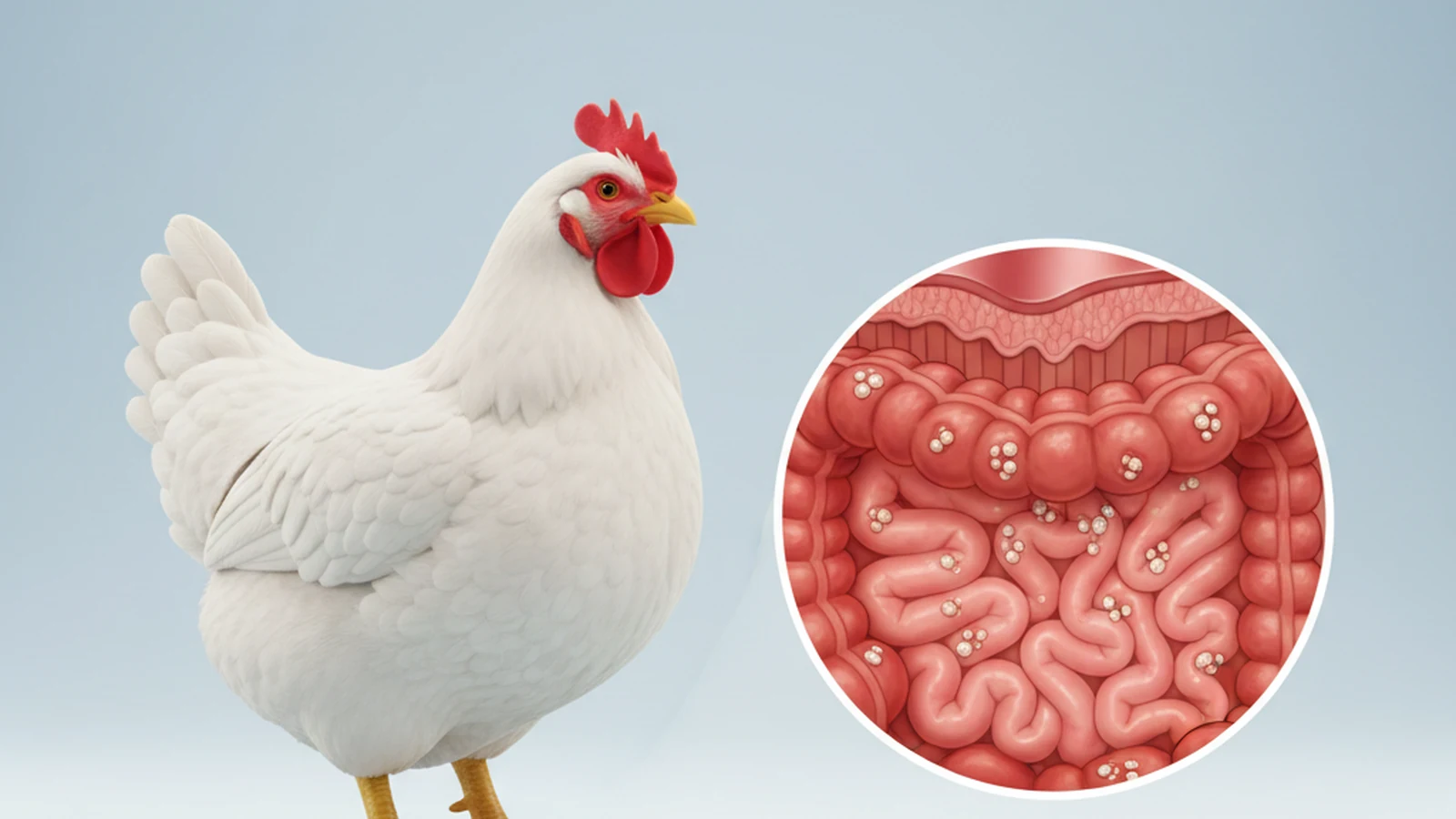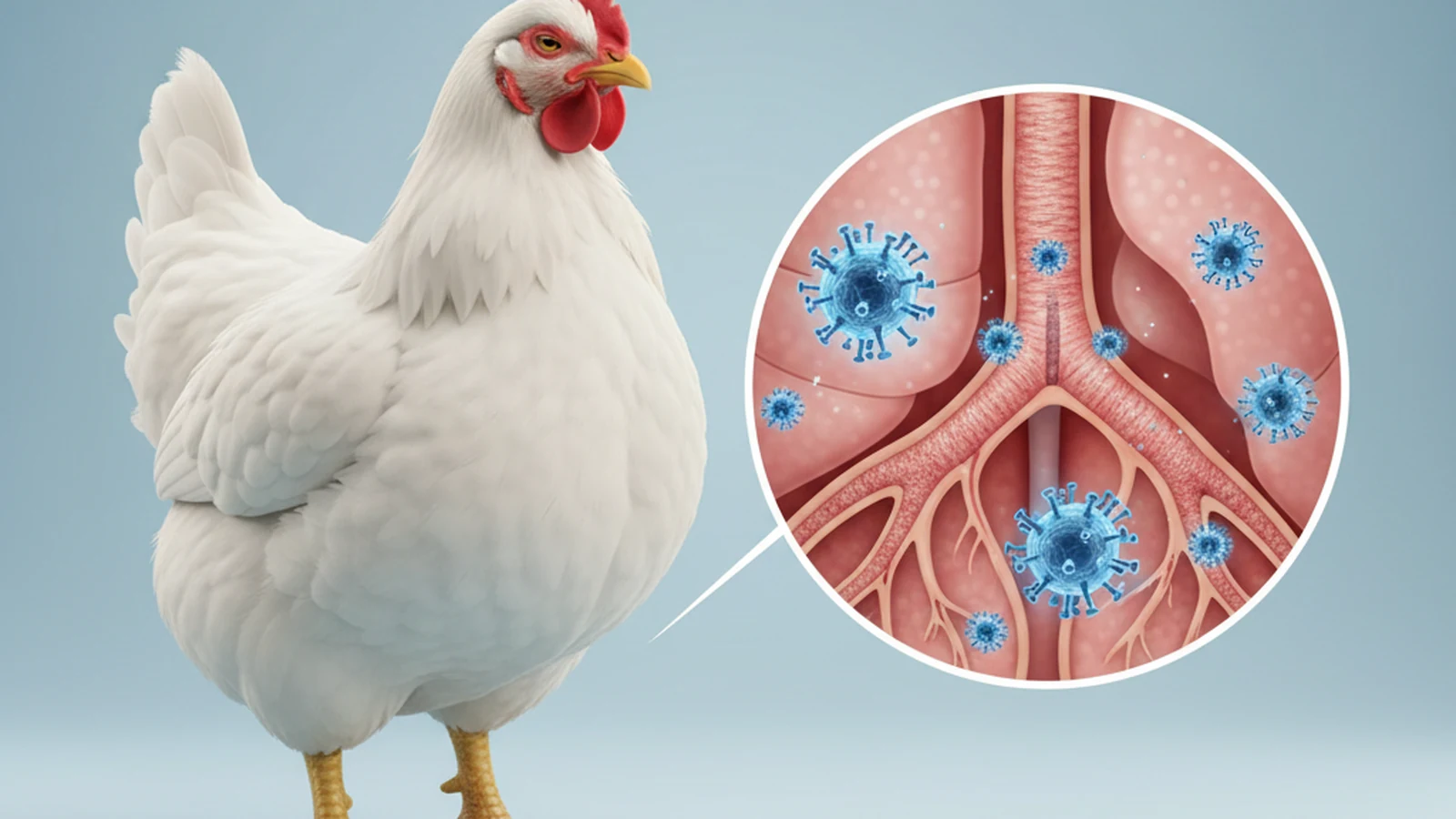
Ascites in Broiler Chickens

Ascites, or the accumulation of fluid in the abdominal cavity, is one of the major metabolic problems in fast-growing broiler chickens. This condition is usually the result of the cardiopulmonary system's inability to meet the bird's high oxygen demand and rapid growth. In many cases, ascites should be regarded as the consequence of a physiological imbalance rather than a simple infectious disease.
Genetic factors, rapid growth, ventilation quality, unsuitable temperature, stocking density, the feeding program, and even altitude above sea level can all contribute to its occurrence. Early detection and management-based prevention are of great importance, because once it becomes severe, specific treatment options are limited.
Symptoms and Signs
- Slowed growth or reduced activity
- Abdominal distension and sometimes an unsteady gait
- Cyanosis or darkening of the comb in advanced cases
- Sudden mortality in heavier birds
Risk Factors
- Very rapid growth and high energy consumption
- Poor ventilation and reduced effective oxygen
- Cold housing and increased metabolism
- Genetics and susceptibility of the breeding line
Preventive Measures
- Managing ventilation and providing adequate oxygen
- Controlling growth rate during sensitive periods when necessary
- Maintaining a suitable temperature and preventing chronic cold
- Reducing stocking density and environmental stress
FAQ
Is ascites a contagious disease? No, it is considered a metabolic/physiological condition.
Is it seen only in high body weights? It is seen mostly in fast-growing and heavier birds, but predisposing factors are important.
Is ventilation really effective? Yes, its role is very key.
Call to Action
If you observe signs suspicious of ascites or need a management review of the flock, seek help from the Asa Daru scientific advisory department.
Suggested Internal Links
- Heat stress in poultry
- Factors affecting FCR
- Scientific advice
- Metabolic disorders in poultry
Phytogenics are not a substitute for good flock management; they are a complementary tool for it. The best results come when they are used alongside biosecurity, balanced nutrition and a vaccination program.
The global picture at a glance
The European Union has banned growth-promoting antibiotics since 2006, and the global market for phytogenic additives is on a steady growth path — with growing application across both poultry and livestock.
$1.05 → $1.48 billion
Global phytogenics market, 2024–2030
Grand View Research / MarketsandMarkets
Since 2006
EU ban on growth-promoting antibiotics
EU Regulation 1831/2003
Note: This piece is sample general educational content for information only; it is not a substitute for the advice of the flock’s supervising veterinarian. Asadaru supplements are supportive and preventive and are not a substitute for treatment or vaccination. The final article texts are provided and reviewed by the client.