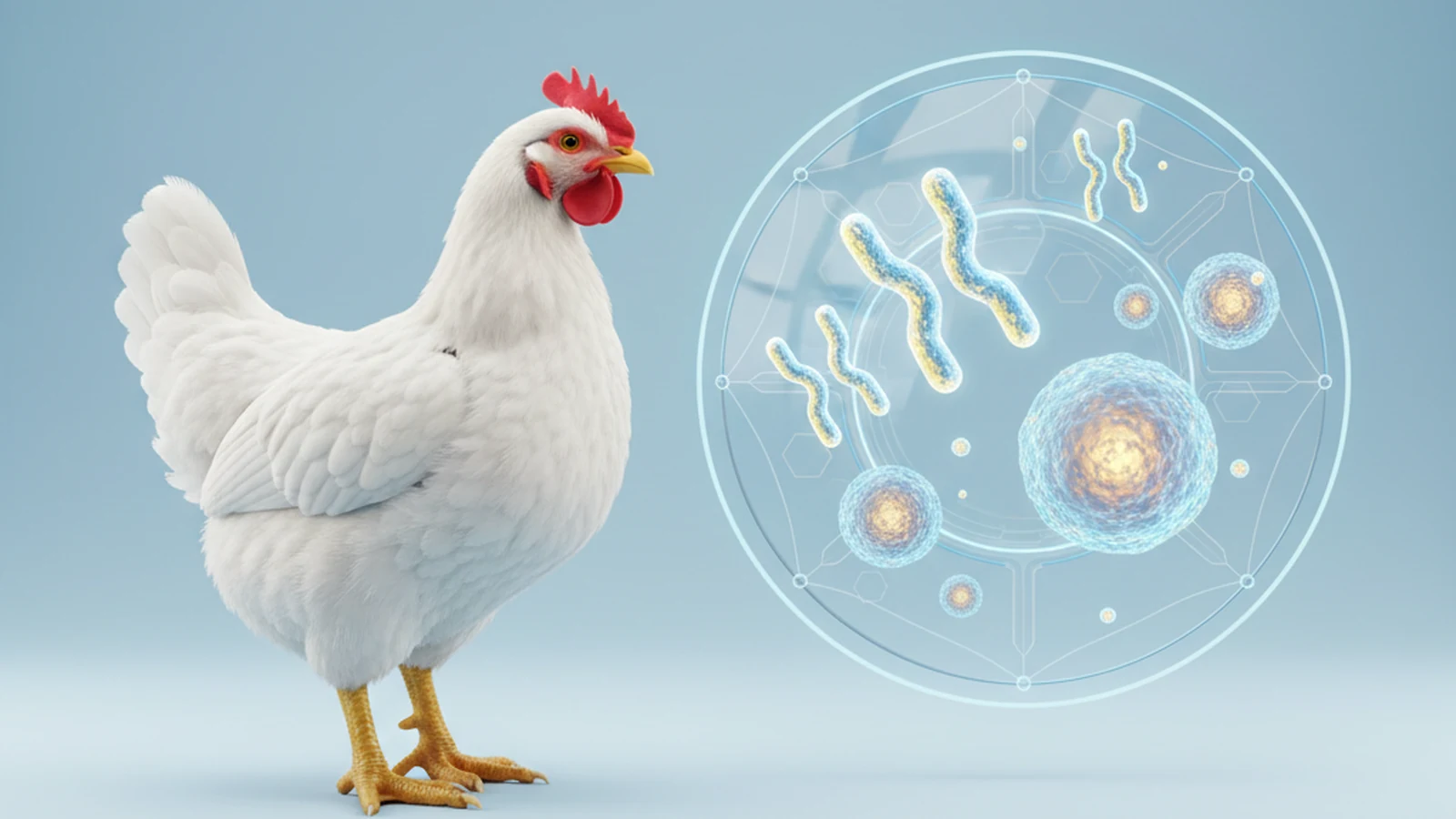
Oxidative Stress in Poultry

Oxidative stress occurs when the balance between the production of reactive oxygen species and the capacity of the body's antioxidant systems is disrupted. In this state, free radicals can damage lipids, proteins, DNA and cell membranes and impair the normal function of the cell.
In poultry, rapid growth, heat stress, disease, mycotoxins, vaccination, high stocking density and poor feed quality or oxidized fats can intensify oxidative stress. Its consequences may appear as reduced growth, weakened immunity, tissue damage and increased susceptibility to disease.
Why does this matter?
Oxidative stress is not merely a laboratory concept and can affect the real performance of the flock.
Respiratory involvement, heat and management challenges are often accompanied by increased oxidative pressure.
Contributing factors
- Heat stress
- Disease and inflammation
- Mycotoxins
- Unbalanced nutrition and antioxidant deficiency
- Oxidation of fats in the feed
Signs and consequences
- Reduced growth and feed conversion ratio
- Lower carcass quality
- Weakened immune response
- Damage to the liver, muscle and sensitive tissues
Control strategies
- Reducing environmental stress, especially heat
- Using fresh, high-quality feed
- Providing adequate vitamins and antioxidants
- Monitoring mycotoxins and pro-inflammatory factors
FAQ
Does every stress lead to oxidative stress? Not always, but many stressors can intensify it.
Are supplements alone enough? No, the underlying causes must also be controlled.
How can it be assessed? Through laboratory indicators and their interpretation alongside the flock's condition.
Call to action
To learn about supportive solutions related to environmental and oxidative stress, see Neurosil and related products on the Asa Daru website.
Suggested internal links
- Heat stress in poultry
- The poultry immune system
- Antioxidant products
- Scientific consultation form
Phytogenics are not a substitute for good flock management; they are a complementary tool for it. The best results come when they are used alongside biosecurity, balanced nutrition and a vaccination program.
The global picture at a glance
The European Union has banned growth-promoting antibiotics since 2006, and the global market for phytogenic additives is on a steady growth path — with growing application across both poultry and livestock.
$1.05 → $1.48 billion
Global phytogenics market, 2024–2030
Grand View Research / MarketsandMarkets
Since 2006
EU ban on growth-promoting antibiotics
EU Regulation 1831/2003
Note: This piece is sample general educational content for information only; it is not a substitute for the advice of the flock’s supervising veterinarian. Asadaru supplements are supportive and preventive and are not a substitute for treatment or vaccination. The final article texts are provided and reviewed by the client.