Coccidiosis in Calves: Signs, Risk Factors, and Control
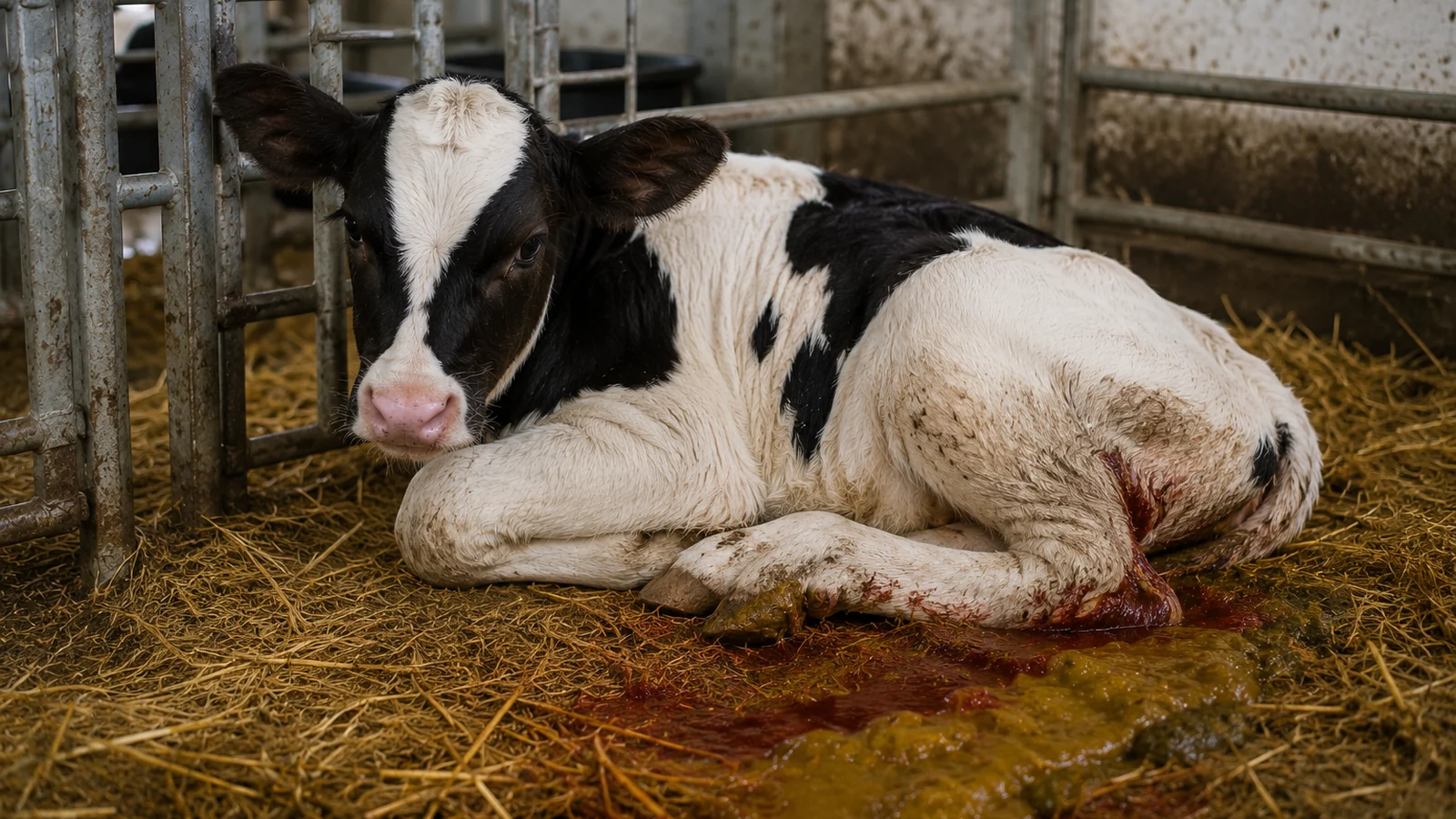
Coccidiosis is a parasitic disease of the digestive tract caused by various species of Eimeria. It is seen mostly in calves and young livestock and can cause diarrhea, reduced appetite, and poor growth.
Coccidiosis usually does not appear in the first weeks after birth and becomes more important from about one to two months of age. The severity of the disease depends on the parasite species, the level of environmental contamination, stocking density, stress, and the calf's immune status.
Signs of coccidiosis in calves
- Loose or watery feces
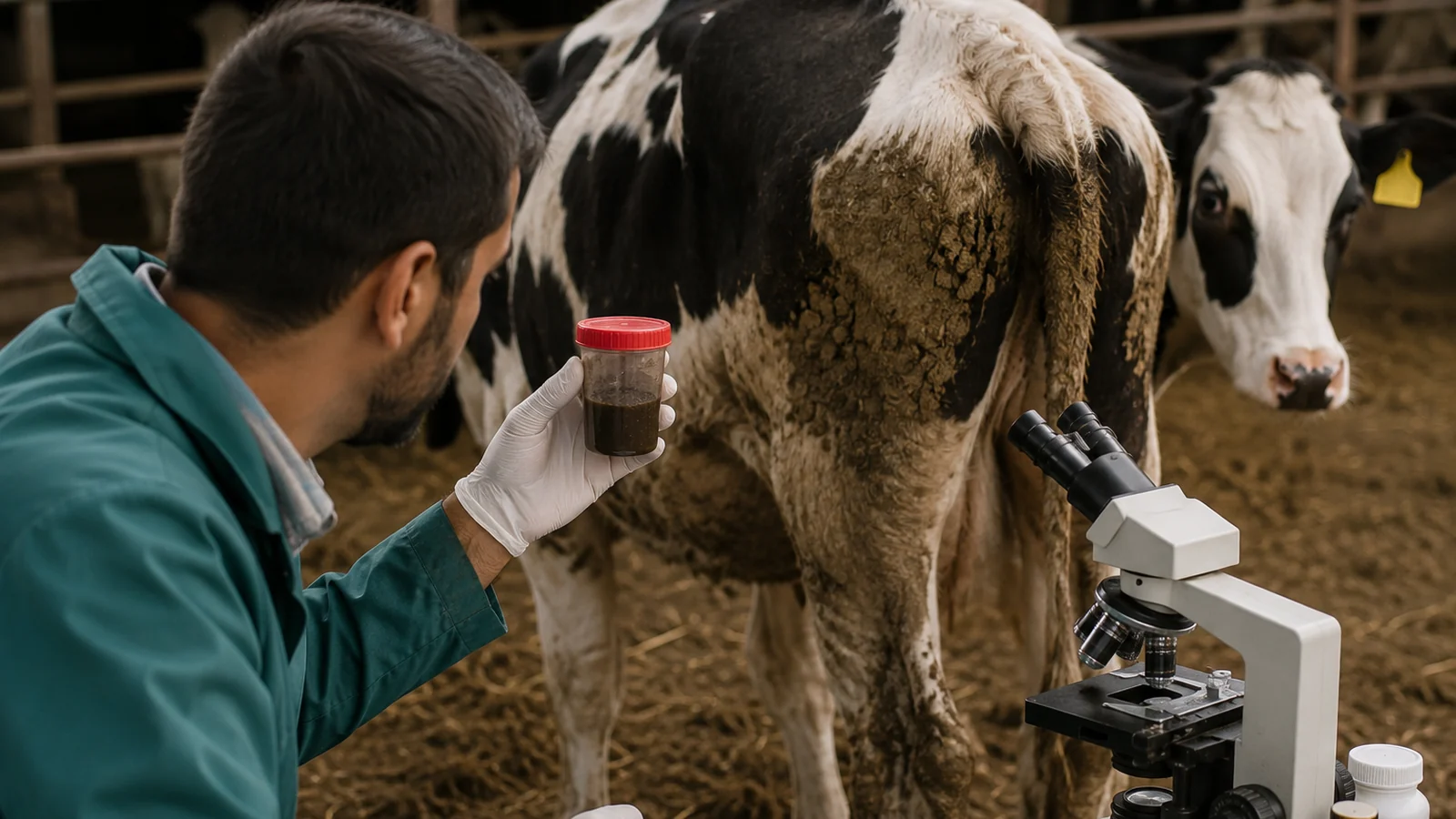
- Presence of mucus or blood in the feces
- Straining during defecation
- Reduced appetite
- Lethargy and weakness
- Soiling around the tail
- Reduced growth and weight gain
- Dehydration in severe cases
- Recumbency and death in acute involvement
Many infected calves may show no obvious signs, yet reduced growth and declining performance are observed in them. In severe cases, intestinal damage can be accompanied by bloody diarrhea, weakness, and dehydration.
How does a calf become infected?
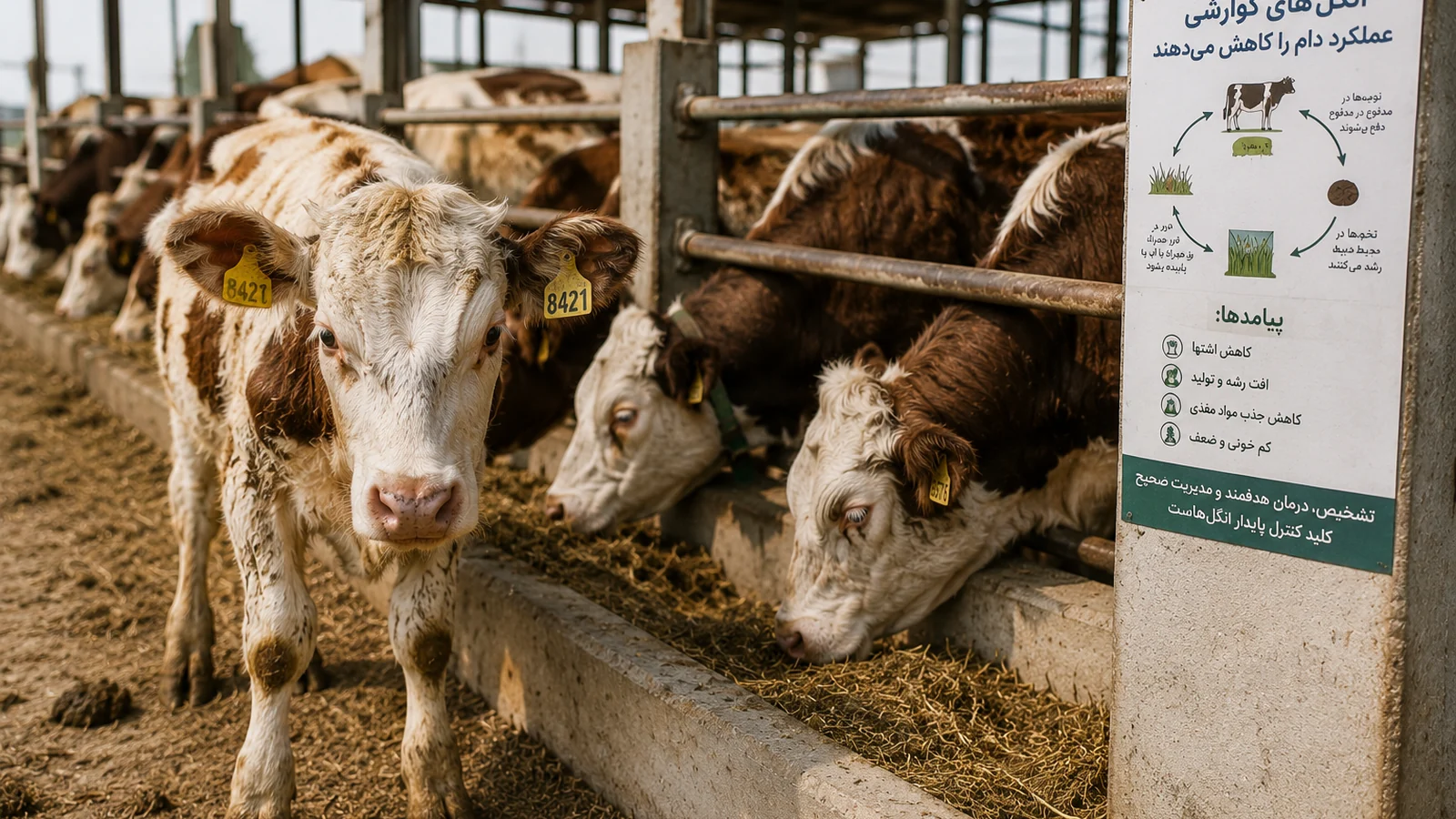
The parasite's oocysts enter the environment through the feces of infected animals. The calf acquires the parasite by consuming water, feed, or materials contaminated with feces.
Moisture, heat, and the accumulation of contamination in the housing can make conditions more favorable for the survival and spread of oocysts.
Factors that increase risk
- High stocking density of calves
- Wet and contaminated bedding
- Contamination of water and troughs with feces
- Mixing of different age groups
- Relocation or weaning
- Sudden change of feed
- Cold or heat stress
- Poor housing hygiene
- Introduction of new animals without quarantine
Coccidiosis is usually not merely the result of the parasite's presence; environmental and management conditions determine whether the infection remains subclinical or turns into clinical disease.
How is coccidiosis diagnosed?
Diagnosis based solely on observing diarrhea or blood in the feces is not sufficient. Salmonellosis, nutritional changes, and other digestive diseases can also cause similar signs.
For diagnosis, the following should be evaluated together:
- The calf's age
- Clinical signs
- Housing conditions
- History of the herd's involvement
- Fecal examination and oocyst count
- Identification of pathogenic species
The presence of oocysts in the feces does not always mean clinical disease, because some Eimeria species have low pathogenicity, and the timing of sampling also affects the result.
Principles of coccidiosis control
- Isolate sick calves.
- Remove contaminated bedding and keep the housing dry.
- Prevent contamination of water and feed with feces.
- Reduce the stocking density of calves.
- Keep age groups separated from one another.
- Reduce management stresses as much as possible.
- Examine new animals before introducing them to the herd.
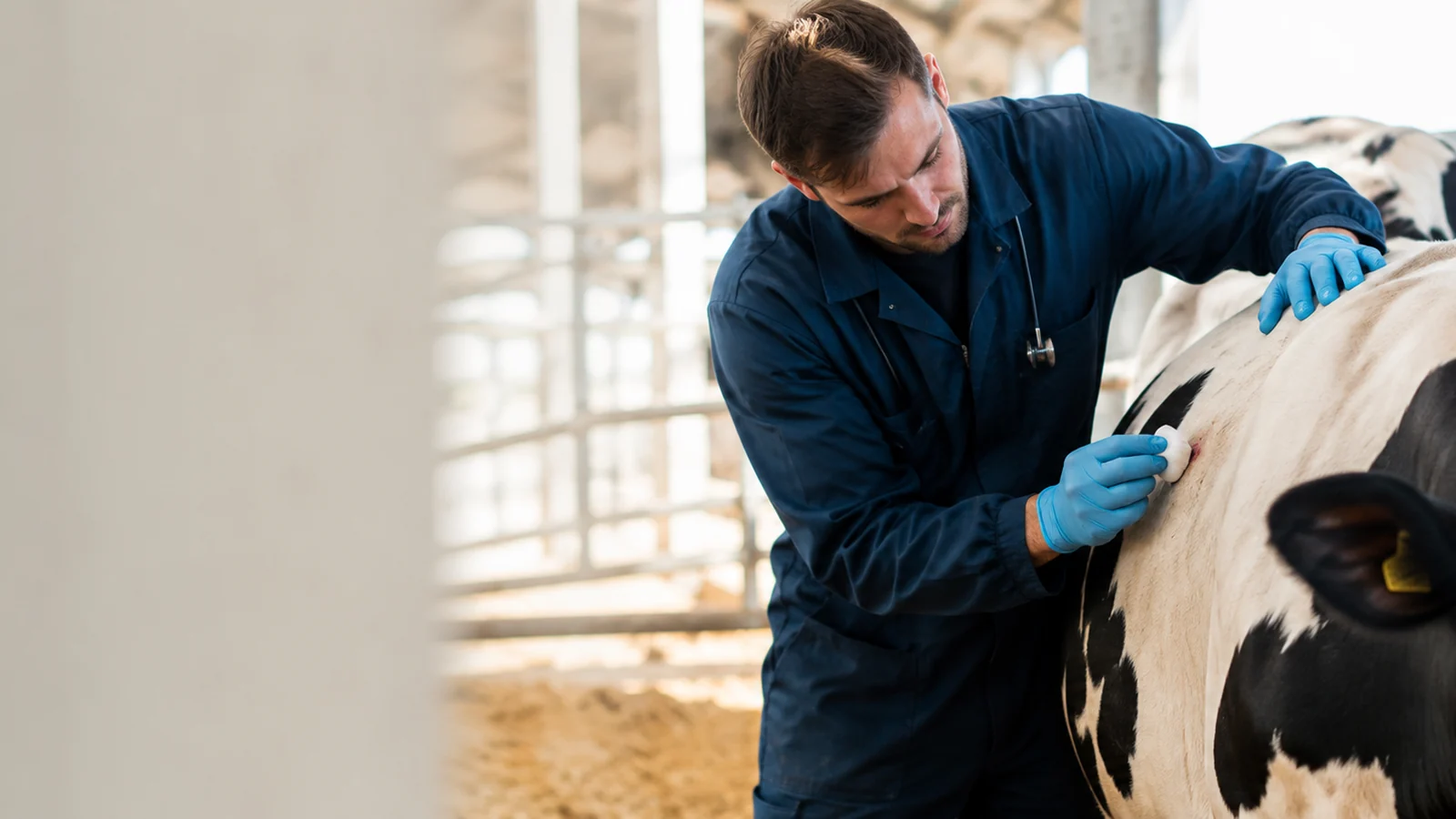
- Carry out specific treatment only under the guidance of a veterinarian.
Anticoccidial drugs are most effective when used in time and before severe intestinal damage occurs. The choice of drug and the timing of administration should be based on the herd's conditions, the animal's age, and the regional drug regulations.
Is bloody diarrhea always coccidiosis?
No. The presence of blood in the feces can also be seen in other diseases. The animal's age, fever, general condition, and test results should be evaluated for diagnosis.
When should a veterinarian be contacted immediately?
If the following are observed, immediate assessment is essential:
- Severe bloody diarrhea
- Persistent straining
- Dehydration and sunken eyes
- Cessation of feed intake
- Recumbency
- Fever or severe weakness
- Simultaneous involvement of several calves
- Continued diarrhea despite initial measures
Frequently asked questions
Is coccidiosis common in newborn calves?
No. This disease is usually not seen in the first three weeks of life and is more common in older calves.
Do all infected calves have diarrhea?
No. Some calves show only reduced growth or declining performance, without obvious signs.
Is coccidiosis transmitted from one calf to another?
The parasite enters the environment through feces, and other animals become infected by consuming contaminated water or feed.
Is disinfecting the housing alone sufficient?
No. Keeping the environment dry, reducing density, preventing contamination of water and feed, and targeted treatment must be carried out simultaneously.
Summary
Coccidiosis is one of the important causes of diarrhea and poor growth in young calves. Sustainable control of this disease requires correct diagnosis, reduction of environmental contamination, density management, and the targeted use of anticoccidial drugs.
Related topics
- Parasitic diseases in livestock
- Calf diarrhea: signs and control methods
- Dehydration in calves
- Calf gut health
- Scientific consultation form
References
- MSD Veterinary Manual. Coccidiosis of Cattle.
- Kim HC, et al. Eimeria Species Associated with Diarrhea in Calves.
- Mundt HC, et al. Control of Clinical Coccidiosis in Calves.
Note: This material is educational and is not a substitute for testing, examination, and prescription by a veterinarian. The choice of anticoccidial drug and the timing of administration should be based on the diagnosis and the herd's conditions.
Phytogenics are not a substitute for good flock management; they are a complementary tool for it. The best results come when they are used alongside biosecurity, balanced nutrition and a vaccination program.
The global picture at a glance
The European Union has banned growth-promoting antibiotics since 2006, and the global market for phytogenic additives is on a steady growth path — with growing application across both poultry and livestock.
$1.05 → $1.48 billion
Global phytogenics market, 2024–2030
Grand View Research / MarketsandMarkets
Since 2006
EU ban on growth-promoting antibiotics
EU Regulation 1831/2003
Note: This piece is sample general educational content for information only; it is not a substitute for the advice of the flock’s supervising veterinarian. Asadaru supplements are supportive and preventive and are not a substitute for treatment or vaccination. The final article texts are provided and reviewed by the client.