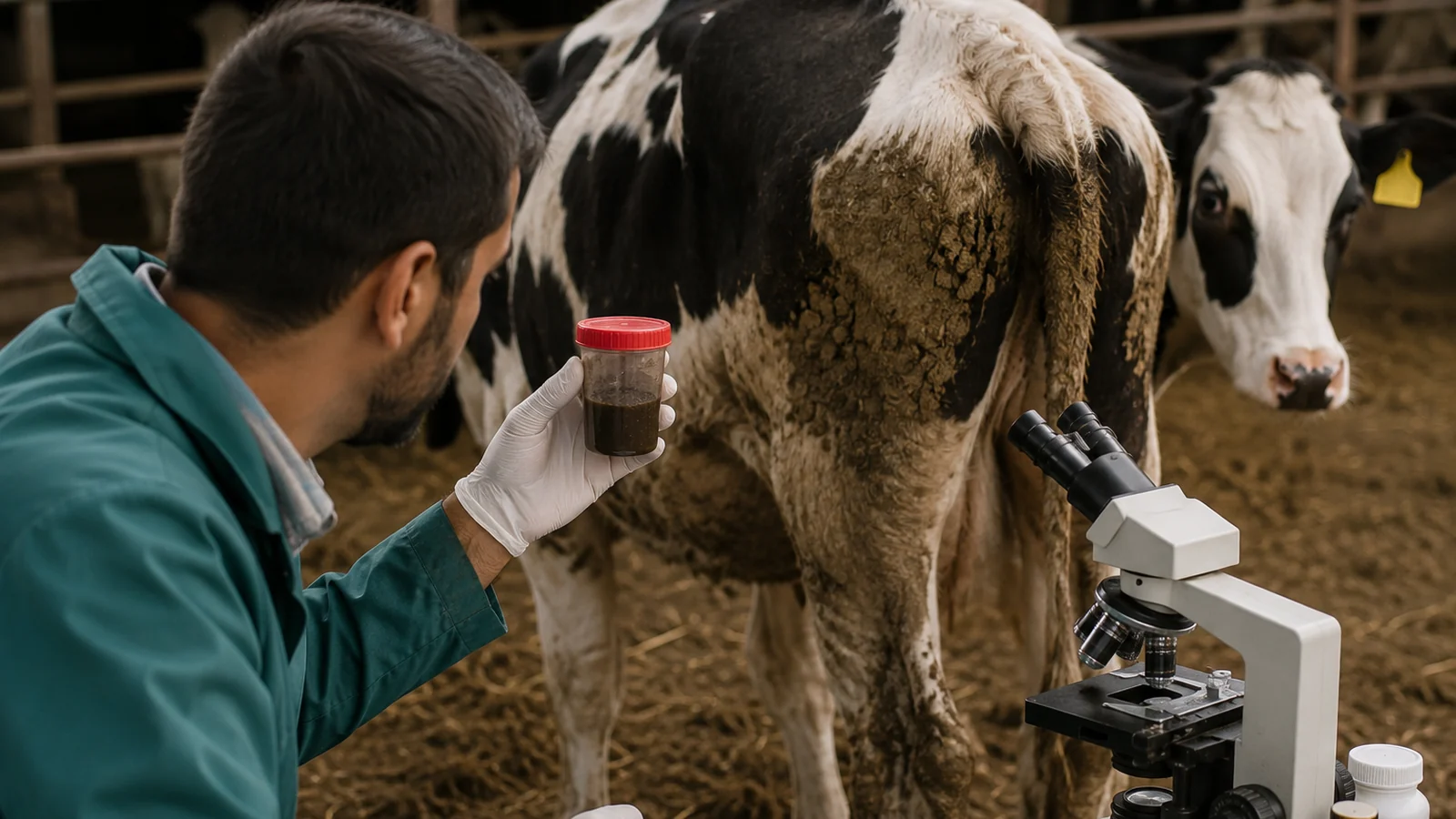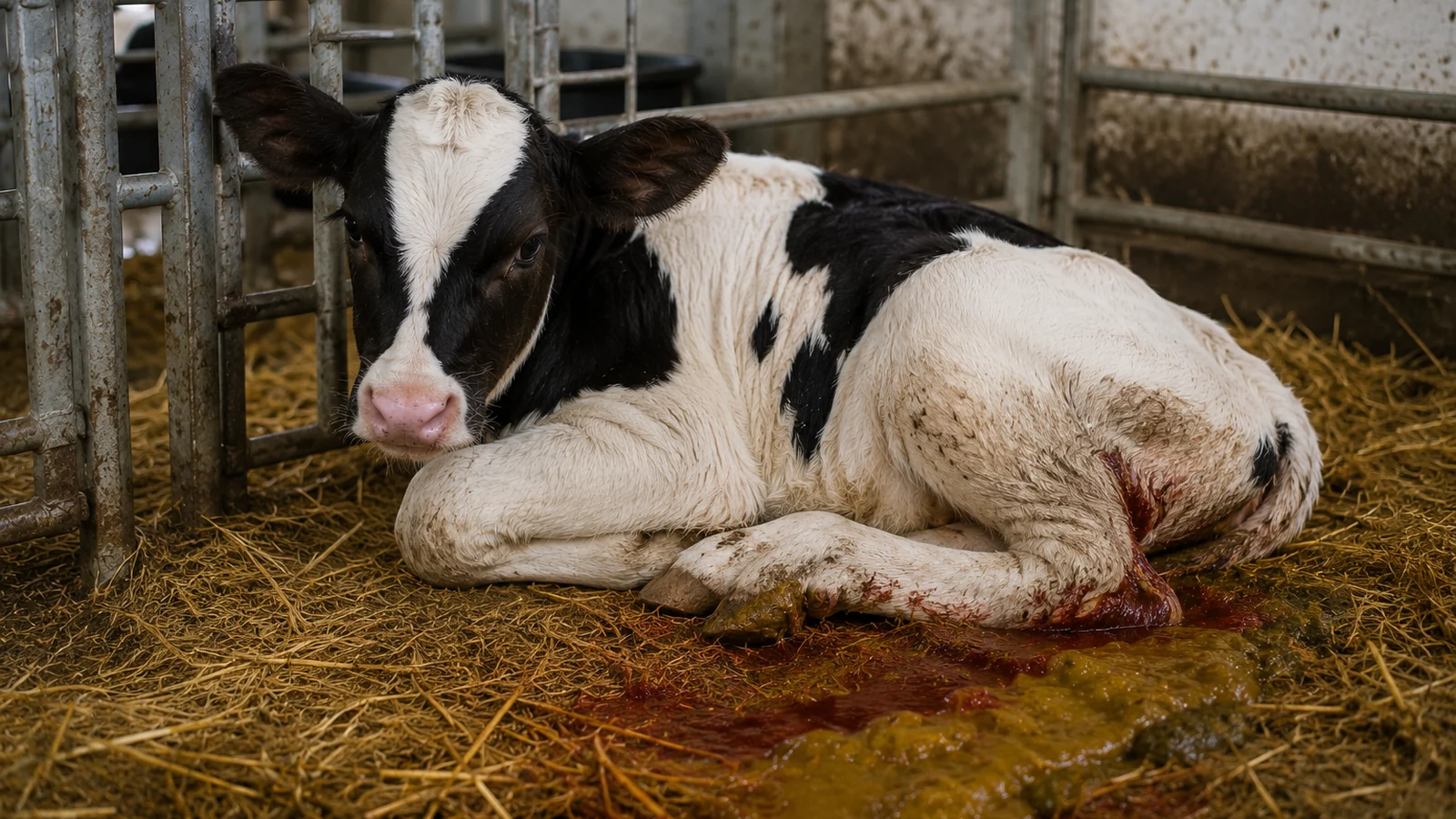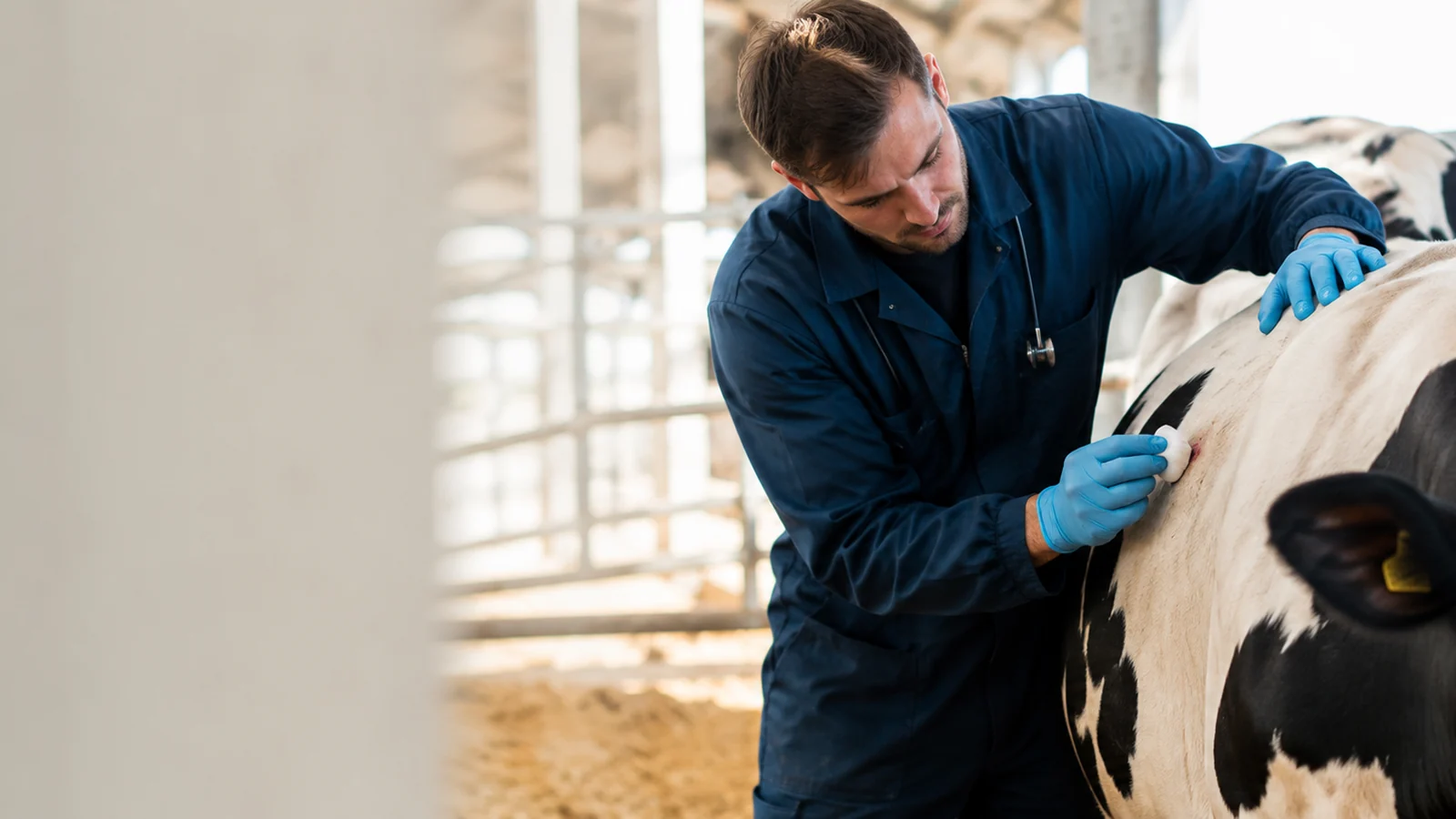
How Do Gastrointestinal Parasites Reduce Livestock Performance?
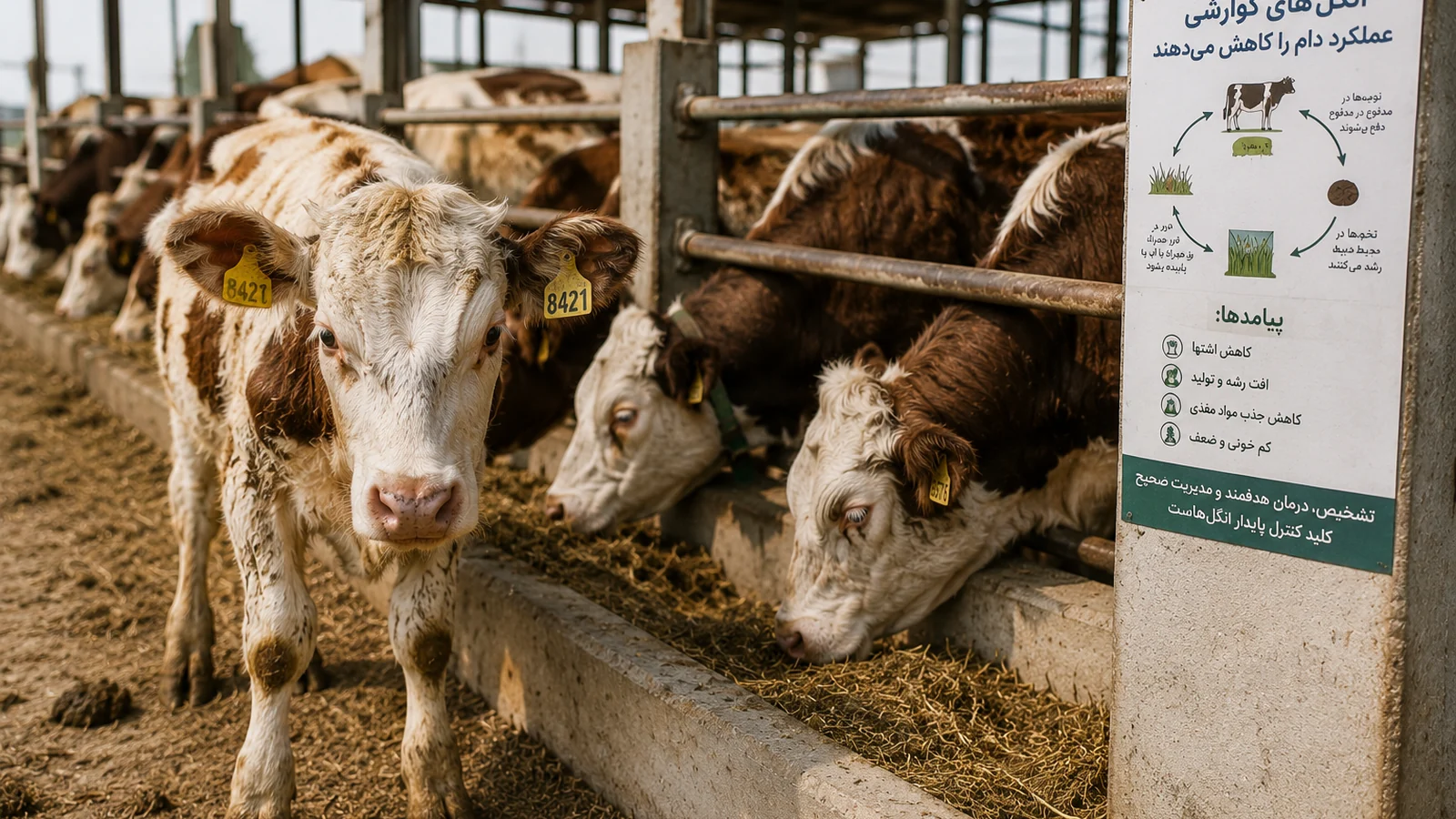
Infection with gastrointestinal parasites is not always accompanied by severe diarrhea or obvious symptoms. In many animals, the involvement continues in a hidden form and is characterized by reduced growth, decreased appetite, lower milk production, and a weakened body condition.
Calves and young animals are usually the most susceptible, because they have not yet developed sufficient immunity against parasites and need proper nutrient absorption for growth.
How Do Parasites Harm Livestock?
Reduced Digestion and Feed Absorption
Some parasites damage the lining of the stomach and intestine and reduce the absorption of protein, energy, and minerals. As a result, the animal may not achieve the desired weight gain despite receiving an appropriate ration.
Reduced Appetite
Inflammation of the digestive tract and the discomfort caused by infection can reduce feed intake. Reduced appetite, combined with poor nutrient absorption, intensifies the decline in performance.
Blood Feeding and Anemia
Some parasites feed on the animal's blood and, in severe infections, cause anemia, weakness, and paleness of the mucous membranes. Internal parasites can also reduce the animal's health and productivity through chronic bleeding.
Pressure on the Immune System
To fight parasites, the animal's body allocates part of its energy and nutrients to the immune response. Under normal conditions, these resources could have been used for growth, milk production, or reproduction.
Signs of Hidden Infection
- Reduced rate of weight gain
- Decreased appetite or feed intake
- Reduced milk production
- Gradual weight loss
- Rough and dull hair coat
- Loose feces or intermittent diarrhea
- Paleness of the mucous membranes
- Swelling under the jaw in some infections
- Reduced uniformity of animals within a group
Severe infections usually cause more obvious symptoms, but mild involvement can also reduce daily weight gain and animal productivity without apparent illness. Field studies have also shown a link between subclinical infections and reduced weight gain in young cattle.
How Is a Parasitic Infection Diagnosed?
Diagnosis should not be based solely on weight loss or diarrhea. A fecal test and parasite egg count, along with an assessment of the animal's age, grazing history, body condition, and herd symptoms, help in selecting the appropriate program.
The number of parasite eggs in the feces does not always fully reflect the severity of the damage; therefore, the test result should be interpreted by a veterinarian and alongside the animal's condition.
Principles of Control and Prevention of Performance Decline
- Carry out anti-parasitic treatment based on diagnosis.
- Take the animal's weight into account to determine the correct dose of medication.
- Avoid repeated and unplanned use of a single drug.
- Assess the treatment outcome by monitoring weight, body condition, and fecal testing.
- Reduce animal density and bedding contamination.
- Protect water and feed troughs from fecal contamination.
- Manage the grazing and animal movement program.
- Examine and quarantine newly arrived animals.
Unplanned use of anti-parasitic drugs can create the conditions for drug resistance. The modern approach to parasite control emphasizes diagnosis, targeted treatment, and monitoring of drug efficacy.
Frequently Asked Questions
Can an animal have gastrointestinal parasites even without diarrhea?
Yes. Reduced growth, decreased production, and gradual weight loss may be the only signs of infection.
Is regular deworming of all animals sufficient?
No. Treatment without testing and monitoring may be unnecessary and can increase the risk of drug resistance.
Why does an animal still not gain weight after deworming?
An inappropriate dose, parasite resistance, re-infection, or the presence of nutritional problems and other diseases can be the cause.
Which animals are most at risk?
Young animals, grazing animals, high-density herds, and animals kept in a contaminated environment usually face a greater risk.
Conclusion
Gastrointestinal parasites can reduce growth, feed intake, and production in livestock without causing severe symptoms. Timely diagnosis, targeted treatment, and improved management of the environment and grazing prevent hidden losses and the development of drug resistance.
Related Topics
- Parasitic diseases in livestock
- Coccidiosis in calves
- Reduced appetite in cattle
- Digestive tract health in cattle
- Scientific consultation form
Sources
- MSD Veterinary Manual. Overview of Gastrointestinal Parasites of Ruminants.
- MSD Veterinary Manual. Common Gastrointestinal Parasites of Cattle.
- Playford MC, et al. Gastrointestinal Nematode Parasites of Grazing Ruminants. 2025.
- Mertz KJ, et al. Effect of Subclinical Gastrointestinal Nematode Infection on Weight Gain in Cattle.
Note: This content is for educational purposes and is not a substitute for testing, examination, or a veterinarian's prescription. The choice of medication, dosage, and timing of repetition should be based on diagnosis and the herd's conditions.
Phytogenics are not a substitute for good flock management; they are a complementary tool for it. The best results come when they are used alongside biosecurity, balanced nutrition and a vaccination program.
The global picture at a glance
The European Union has banned growth-promoting antibiotics since 2006, and the global market for phytogenic additives is on a steady growth path — with growing application across both poultry and livestock.
$1.05 → $1.48 billion
Global phytogenics market, 2024–2030
Grand View Research / MarketsandMarkets
Since 2006
EU ban on growth-promoting antibiotics
EU Regulation 1831/2003
Note: This piece is sample general educational content for information only; it is not a substitute for the advice of the flock’s supervising veterinarian. Asadaru supplements are supportive and preventive and are not a substitute for treatment or vaccination. The final article texts are provided and reviewed by the client.