Parasitic Diseases in Livestock: Symptoms and Control Principles
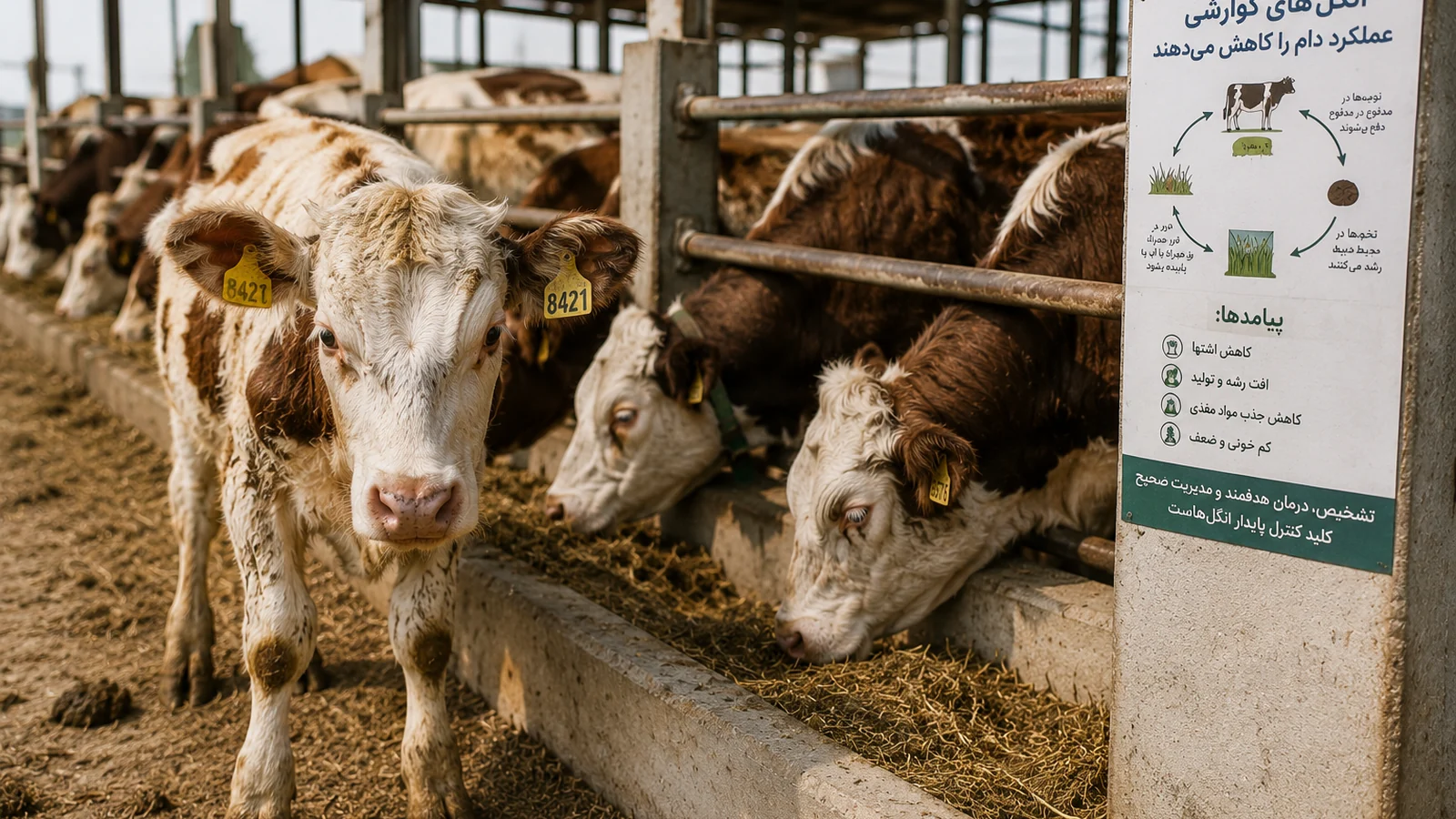
Parasitic diseases are among the major challenges in livestock farming and may — even without causing severe symptoms — lead to reduced growth, lower production, anemia, skin problems, and decreased animal productivity. The severity of infection depends on the type of parasite, the animal's age and immune status, climatic conditions, stocking density, and grazing management.
Major Types of Livestock Parasites
Internal Parasites
Gastrointestinal worms, liver flukes, and some protozoan parasites such as coccidia fall into this group. These parasites may disrupt the digestion and absorption of nutrients and cause weight loss, diarrhea, anemia, or reduced production.
External Parasites
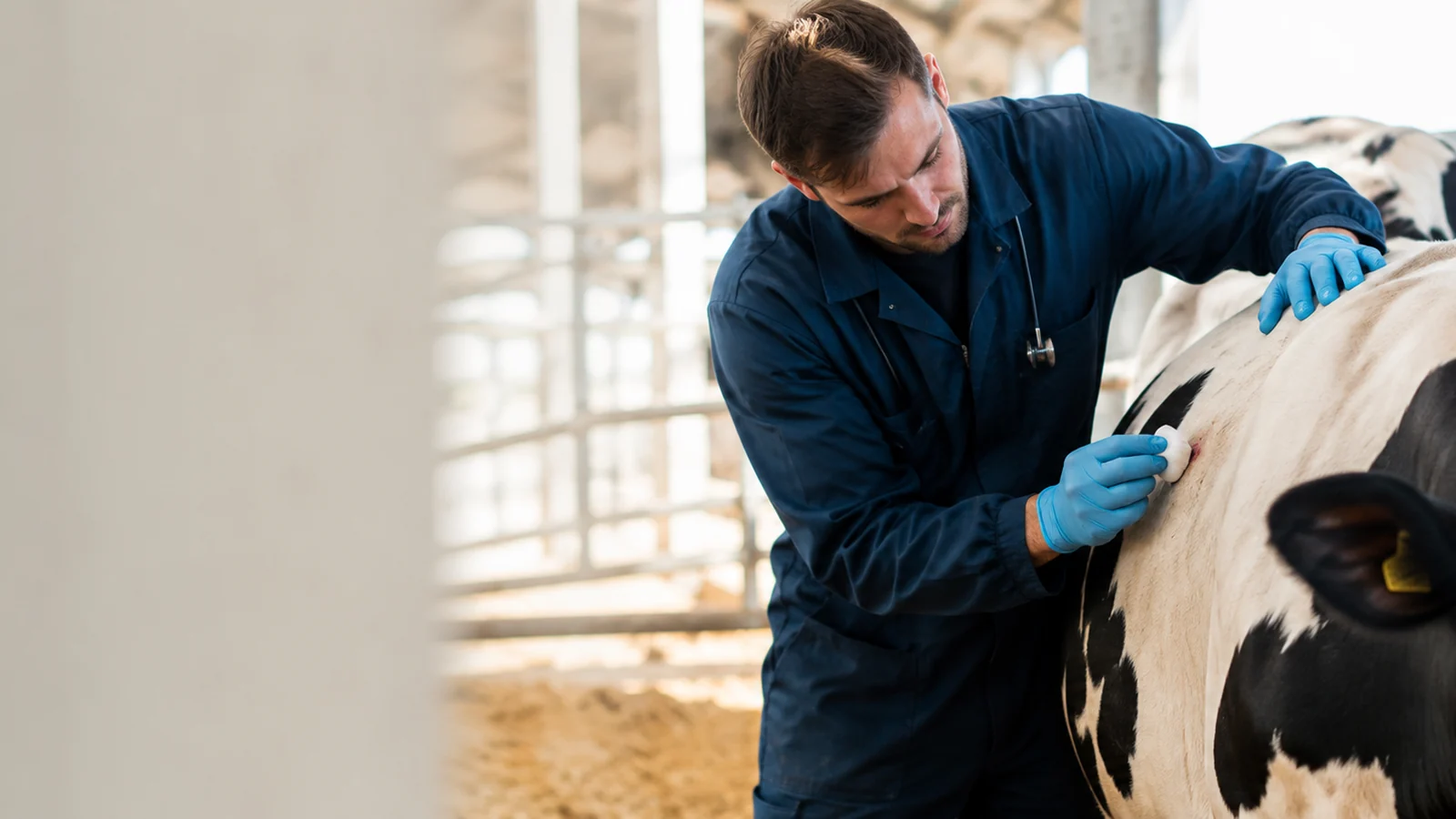
Ticks, lice, and mange are important external parasites of livestock. Itching, hair loss, skin lesions, restlessness, and reduced hide quality are possible signs of infestation. Some ticks can also transmit disease-causing agents between animals. Improper control and unplanned repeated use of pesticides may lead to the development of resistance.
Possible Signs of Parasitic Infection
- Weight loss or poor growth
- Decreased appetite and production
- Diarrhea or changes in fecal consistency
- Pale mucous membranes and anemia
- Swelling under the jaw in some infections
- Weakness and lethargy
- Coughing in some respiratory parasites
- Itching, hair loss, and skin damage
- Reduced fertility or reproductive performance in some parasitic diseases
These signs are not specific and may also be seen in nutritional, infectious, or metabolic diseases. Therefore, observing a single symptom alone is not enough to choose an antiparasitic drug.
How Do Parasites Reduce Livestock Performance?
Gastrointestinal parasites can damage the lining of the digestive tract, reduce nutrient absorption, or cause blood-feeding and anemia. Mild, long-term infections may remain without obvious symptoms but gradually cause reduced growth and an increased feed conversion ratio.
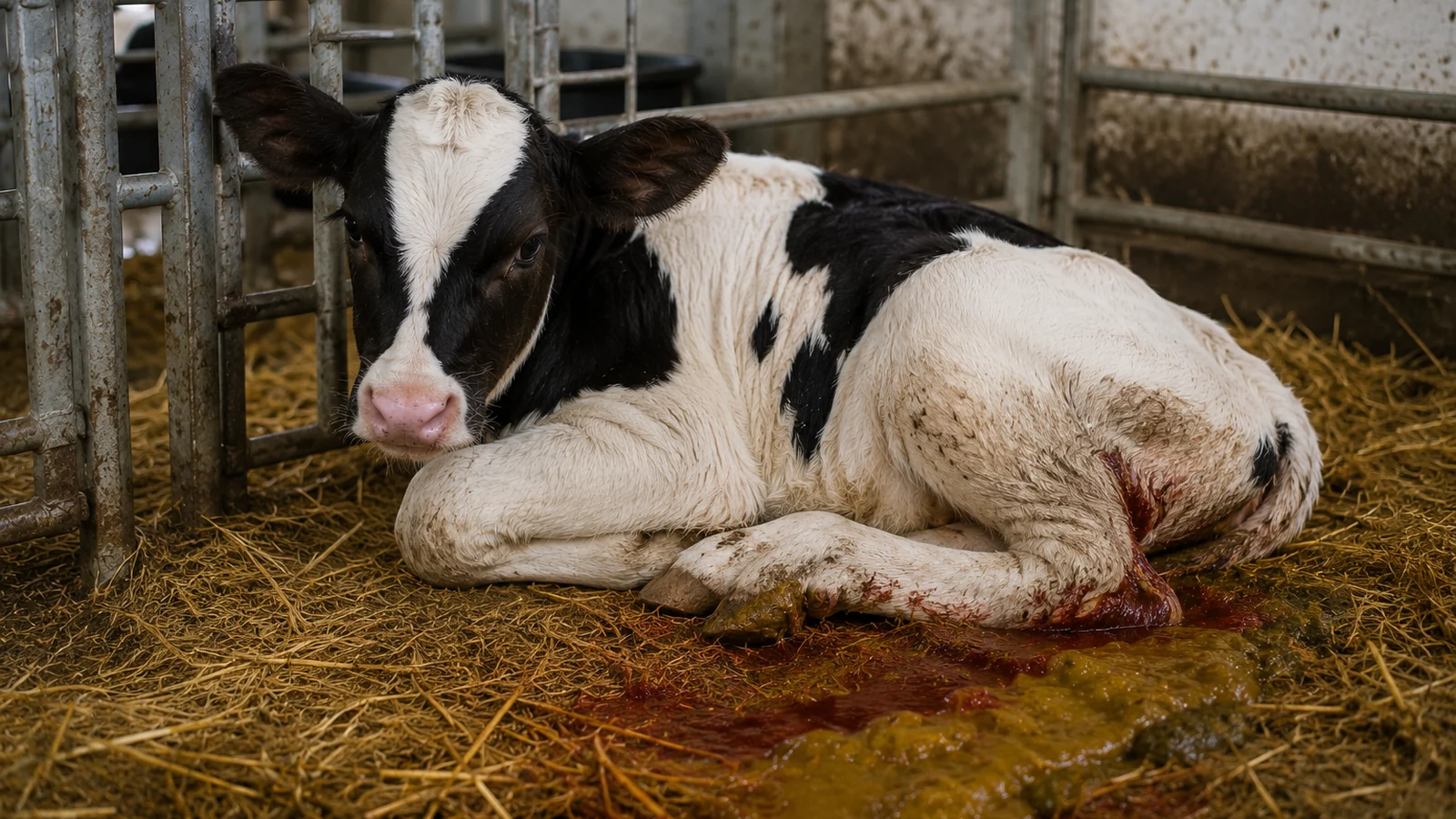
In calves and young animals, coccidiosis can progress from reduced growth and mild diarrhea to bloody diarrhea, dehydration, and straining during defecation.
How Is Parasitic Disease Diagnosed?
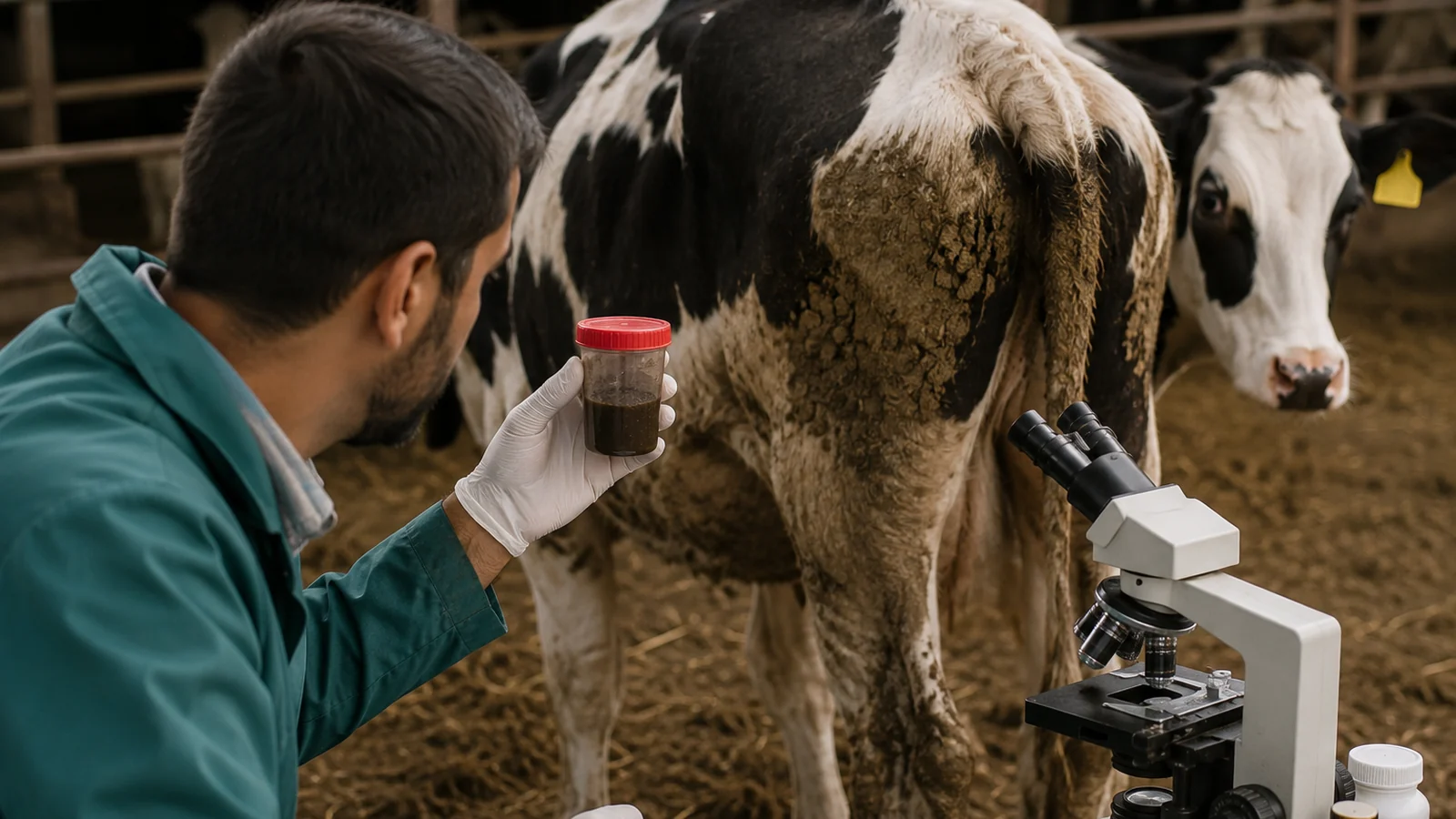
Diagnosis should be based on the herd's conditions, the animal's age, clinical signs, grazing history, and test results. Fecal examination, parasite egg counts, examination of skin and hair, and in special cases blood tests or necropsy can help identify the type of infection.
The presence of parasite eggs in feces does not always fully reflect the severity of damage; for this reason, test results should be interpreted together with the clinical status and performance of the animal.
Principles of Parasite Control in Livestock Farming
- Carry out antiparasitic treatment based on diagnosis and veterinary advice.
- Take the animal's weight into account to correctly calculate the drug dosage.
- Avoid the unplanned repeated use of a single antiparasitic drug.
- Examine and quarantine new animals before introducing them to the herd.
- Reduce stocking density and housing contamination.
- Include grazing management and pasture rest in the control program.
- Manage contaminated manure and bedding properly.
- Monitor the herd's response to treatment.
- If infection persists, investigate the possibility of drug resistance.
Sustainable parasite control is not achieved through the repeated use of drugs alone. Combining diagnosis, targeted treatment, grazing management, environmental hygiene, and monitoring of results reduces the likelihood of re-infection and drug resistance.
Frequently Asked Questions
Does every thin animal have parasites?
No. Thinness may be caused by an inadequate diet, chronic disease, dental problems, or metabolic disorders and requires investigation.
Should all animals receive antiparasitic treatment at the same time?
This decision depends on the type of parasite, the herd's conditions, the region's history, and test results. Blanket, repeated treatment without evaluation can increase drug resistance.
Is diarrhea always a sign of a gastrointestinal parasite?
No. Nutritional, bacterial, and viral factors as well as rumen disorders can also cause diarrhea.
Why does parasitic disease return after treatment?
Contamination of the pasture, bedding, untreated animals, an incorrect drug dosage, or parasite resistance can cause the problem to persist or return.
Conclusion
Parasitic diseases may covertly cause a decline in the growth, production, and health of livestock. Accurate diagnosis, targeted use of drugs, and improvement of environmental and management conditions are the main pillars of parasite control in livestock farming.
Related Topics
- Gastrointestinal parasites and reduced livestock performance
- Coccidiosis in calves
- Reduced appetite in cattle
- Digestive tract health in cattle
- Scientific consultation form
Sources
- MSD Veterinary Manual. Gastrointestinal Parasites of Ruminants.
- FAO. Treatment and Control Strategies for Livestock Parasites.
- FAO. Livestock Tick Control.
- MSD Veterinary Manual. Overview of Coccidiosis in Animals.
Note: This content is for educational purposes and is not a substitute for testing, examination, and prescription by a veterinarian. The choice of drug type, dosage, and repeat timing should be based on the herd's conditions and specialized diagnosis.
Phytogenics are not a substitute for good flock management; they are a complementary tool for it. The best results come when they are used alongside biosecurity, balanced nutrition and a vaccination program.
The global picture at a glance
The European Union has banned growth-promoting antibiotics since 2006, and the global market for phytogenic additives is on a steady growth path — with growing application across both poultry and livestock.
$1.05 → $1.48 billion
Global phytogenics market, 2024–2030
Grand View Research / MarketsandMarkets
Since 2006
EU ban on growth-promoting antibiotics
EU Regulation 1831/2003
Note: This piece is sample general educational content for information only; it is not a substitute for the advice of the flock’s supervising veterinarian. Asadaru supplements are supportive and preventive and are not a substitute for treatment or vaccination. The final article texts are provided and reviewed by the client.