Avian Influenza: Symptoms, Transmission Routes, and Principles of Prevention and Control
Disease Definition
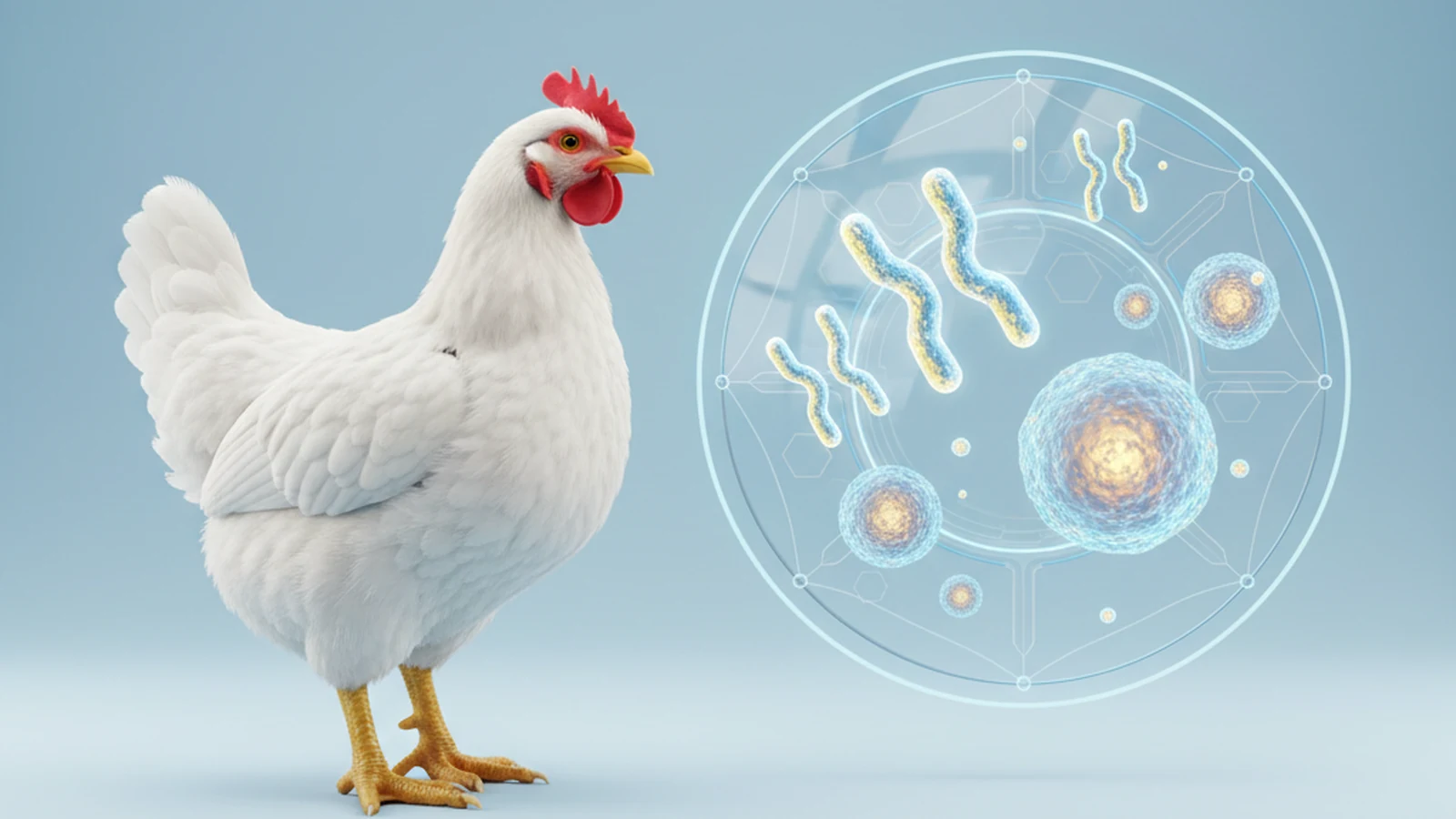
Avian influenza is a viral disease that affects the respiratory, digestive, or nervous systems of many types of poultry and other birds. The most severe form of the disease is acute and systemic, characterized in poultry by a short course and very high mortality.
Structure and Classification of the Virus
Influenza viruses are classified among the orthomyxoviruses, which have serotypes A, B, and C. Types B and C have only been identified in humans. All avian influenza viruses carry the type A antigen. This antigen is used in the gel diffusion test to detect antibodies against type A viruses.
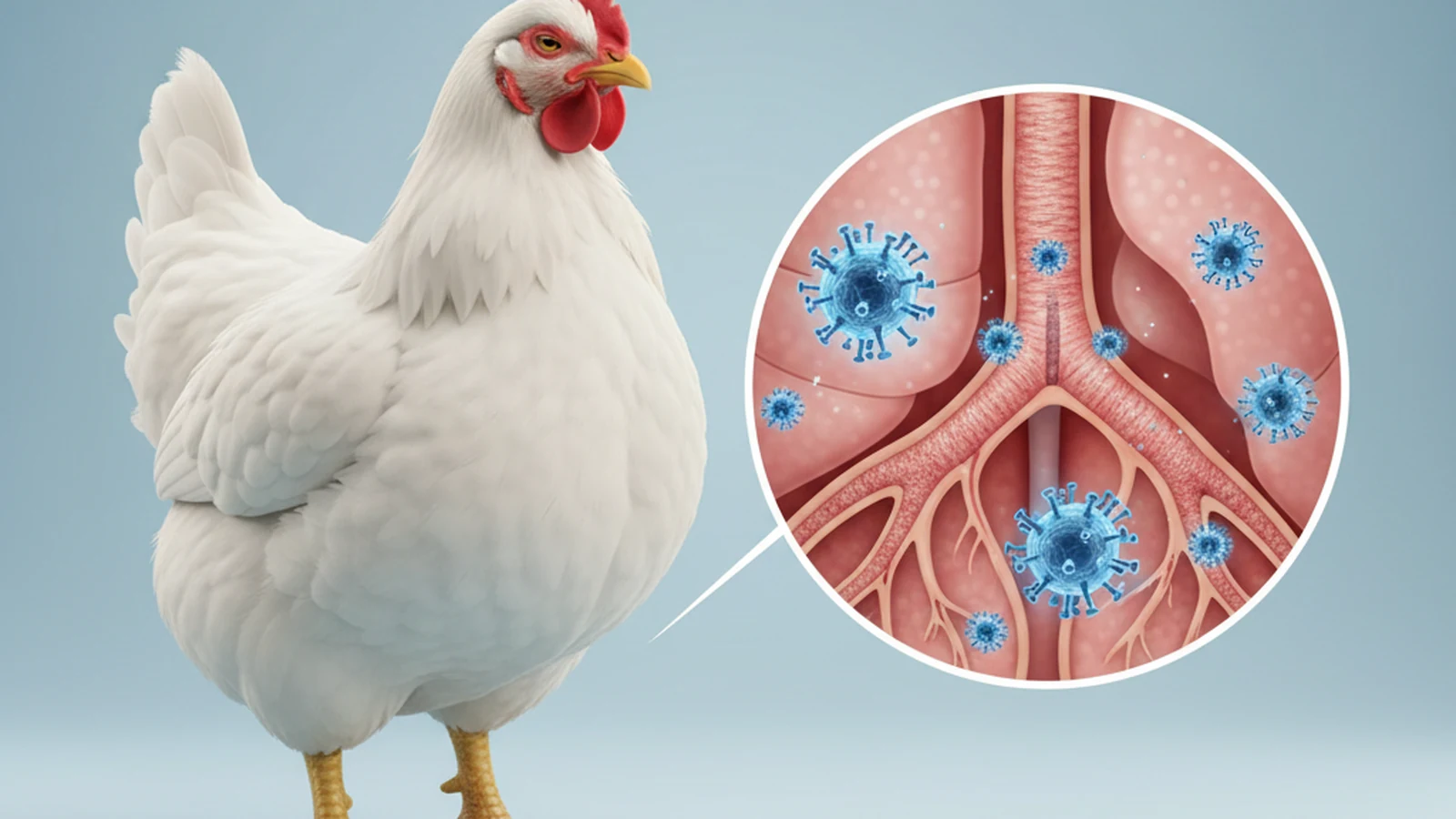
Influenza viruses have two important surface antigens called hemagglutinin and neuraminidase, which are useful in identifying the subtype of specific viruses. There are at least 13 hemagglutinins and 9 neuraminidases, which have given rise to a large number of viral subtypes.
Type A avian influenza viruses are also divided into two pathotypes according to disease severity: 1- viruses with low pathogenicity, or LPAI (Low Pathogenic Avian Influenza), and 2- highly pathogenic avian influenza viruses, or HPAI (High Pathogenic Avian Influenza). In fact, influenza viruses with the H5 and H7 hemagglutinin glycoproteins belong to this group, and infection of poultry with them causes severe disease and high mortality (often more than 50%).
Prevalence and Natural Reservoirs of the Disease
Most outbreaks of the disease have occurred in turkeys and ducks. A few outbreaks have also been seen in chickens. Birds of all age groups are considered susceptible, but the disease usually occurs more severely in younger birds. Avian influenza outbreaks have occurred throughout the world. Waterfowl (both wild and domestic) are the main natural reservoirs of influenza viruses. Wild waterfowl usually do not show signs of the disease but may shed the virus for a long time.
Transmission Routes
The influenza virus is usually found in large quantities in body secretions, especially the saliva, nasal secretions, and feces of birds. The disease easily infects birds such as chickens and turkeys through the direct contact of wild birds with domestic birds and through shared drinking water. Once chickens become infected, the disease is easily transmitted from one poultry farm to another, because large numbers of virus are present in bird droppings, which contaminate dust and soil. In addition, the virus is easily transmitted from bird to bird through respiratory aerosols.
Contaminated equipment and objects such as feed, cages, and clothing—especially the shoes of poultry farm workers and bird transport equipment—can transfer the virus from one place to another. The virus is also transmitted through the feet and bodies of animals such as rodents that act as mechanical vectors. The virus may be transmitted to domestic poultry through the droppings of infected wild birds. The risk of virus transmission increases when domestic poultry are kept outside cages and free-range, or use water sources contaminated with wild bird droppings. Live poultry markets with poor sanitary conditions are also another source of virus spread. The avian influenza virus may be transmitted from one country to another through the international trade of live birds.
Clinical Signs
The signs of influenza vary greatly and depend on various factors such as the age and species of the bird, the virulence of the virus, concurrent infections, and the quality of husbandry. Below, the symptoms of the disease are described according to the viral subtype.
Low pathogenic avian influenza virus (LPAI): These subtypes usually cause a mixture of respiratory and sometimes digestive symptoms. The morbidity of this disease is usually high (more than 50%) and its mortality low (less than 20%). Its symptoms include general lethargy, weight retardation, ocular discharge, sinusitis, conjunctivitis, coughing, sneezing, respiratory rales, dyspnea, and accumulation of gas under the skin (due to rupture of the air sacs). Respiratory tract lesions usually include inflammation and obstruction of the trachea and lungs. In laying hens, fertility or egg production may decrease and the bird may suffer from egg retention, mucosal edema, and inflammation and discharge in the oviduct. Cases of acute respiratory failure and visceral gout may also be seen. In young, growing turkeys—especially when secondary infections such as pasteurellosis, colibacillosis, or turkey coryza occur—the disease may be subclinical or severe.
Highly pathogenic avian influenza virus (HPAI): The signs of involvement in this subtype are a mixture of digestive, respiratory, and nervous symptoms accompanied by very high mortality (even 100%). Before death, birds usually show signs of ataxia, excitement, nystagmus, head tilt, circling, tremor, cyanosis and necrosis of the comb and legs, seizures, paralysis, edema in various parts of the body, and hemorrhage.
Postmortem Signs
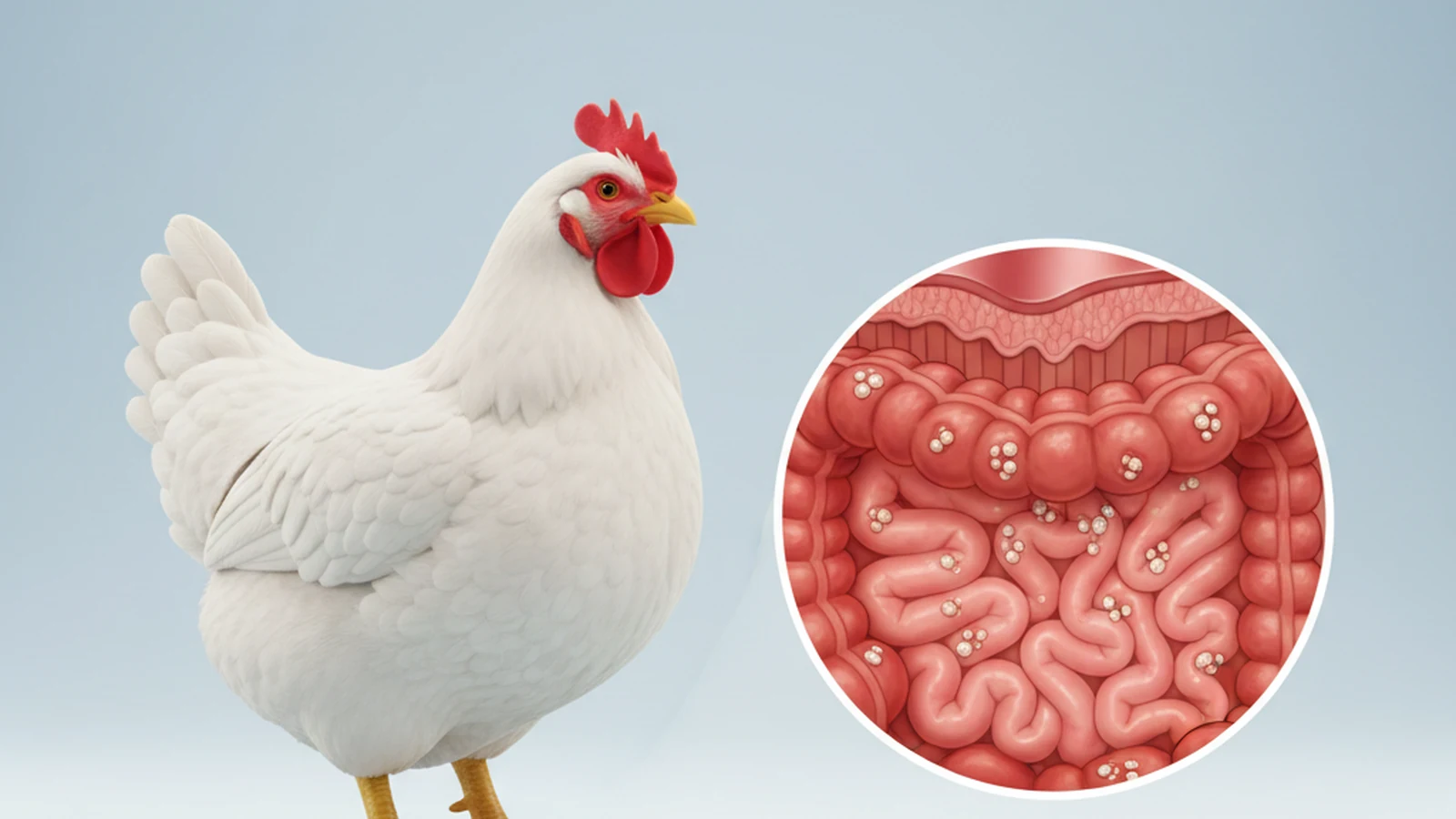
Lesions vary widely according to the pathogenicity of the virus. In most poultry influenza outbreaks, there is mild to moderate inflammation of the trachea, sinuses, air sacs, and conjunctiva of the eye. In laying birds, atrophy and twisting of the oviduct are often seen.
Various degrees of hyperemia, hemorrhage, transudate, and necrosis have also been reported in the lesions. In infection with the highly pathogenic virus (HPAI), postmortem lesions in poultry are more widespread and severe. Fibrinous exudate may be present on the air sacs, oviduct, pericardial sac, or on the peritoneum.
Diagnosis
- Virus isolation
- Detection of influenza RNA
- Detection of influenza-specific antibodies
Control and Prevention
Control of the disease is mainly achieved by preventing birds' exposure to influenza viruses. No bird should be introduced into growing flocks, and direct or indirect contact of migratory and imported wild birds with the flock must be prevented. Eggs intended for hatching should be obtained from influenza-free flocks.
In areas where avian influenza has been a problem, blood or egg yolk antibodies are subjected to routine serological tests. These efforts make early detection of outbreaks possible and allow other measures such as quarantine to be implemented sooner.
The likelihood of highly pathogenic influenza entering through the import of poultry or other birds should be reduced by implementing quarantine.
Currently, most countries adopt a stamping-out (culling) policy against the disease. Making a vaccine is possible, but the challenge with vaccines is that the virus mutates rapidly and usually, by the time a vaccine is made, a new strain has already affected the poultry. In addition, vaccination can cause the phenomenon of infection masking; that is, while the bird is infected with the virus, there is no visible sign of the disease and it is therefore transmitted to other birds. Furthermore, one of the problems associated with influenza vaccination is the absence of a live vaccine for this disease, because killed vaccines usually take 3 to 4 weeks to produce a protective titer in the chick's body, and during this interval the chick may become infected. Therefore, given the aforementioned difficulties with methods of preventing this disease, the use of natural compounds to strengthen the immune system is an effective approach to combating it.
Thymosil is a multipurpose oral solution and a combination of several natural plant essential oils that, with a high percentage of active plant compounds, prevents the accumulation of pathogens, stimulates and strengthens the immune system, and disrupts the growth and multiplication of bacteria. This product can be used dissolved in the drinking water of poultry houses, and its benefits include the following:
- Increased strength of the cellular and humoral immune system
- Improved titer development and reduced side effects of vaccination
- Stimulation and strengthening of the mucociliary system and clearance of the respiratory tract
- Reduced vaccination and drug costs
- Improved respiratory condition when symptoms appear
- Stimulation of appetite and increased feed conversion efficiency
Thymosil is a completely natural compound and has no side effects, drug residues, or withdrawal period. Also, due to its several diverse active compounds, it is not possible for resistance to develop against it.
Treatment
There is no 100% cure, but good husbandry, proper nutrition, and the use of supportive medications can reduce the risk of secondary infections and prevent the heavy losses and damage caused by influenza.
Mentosil is a 100% herbal expectorant and improver of respiratory symptoms in poultry that can be used dissolved in the drinking water of poultry houses. Mentosil contains natural plant essential oils that, with a high percentage of active ingredient and their multifaceted effects, thin respiratory secretions and improve airflow, provide antioxidant effects, and reduce inflammation. The benefits of using Mentosil include the following:
- Expectoration and clearance of the respiratory system
- Treatment and reduction of 30 to 50% of losses caused by respiratory complexes (bronchitis, influenza, Newcastle, and CRD)
- Reduction of the chick's visible symptoms (respiratory sounds, coughing, nasal discharge, and lethargy)
- Anti-inflammatory and antiviral properties
- Protection against free radicals and antioxidant properties
- Reduced weight retardation when symptoms appear
Mentosil is a completely natural compound and has no side effects, drug residues, or withdrawal period. Also, due to its several diverse active compounds, it is not possible for resistance to develop against it.
Routes of Transmission of Highly Pathogenic Avian Influenza to Humans
- Direct contact with infected and sick birds
- Direct contact with the droppings and secretions of birds and contaminated equipment
- Slaughtering and plucking of infected and sick poultry
- Breathing air contaminated with the virus
- Hunting birds or purchasing hunted birds
- The stages of preparing, cooking, and eating the meat, eggs, and other food products of infected birds in raw or undercooked form
- Use of foodstuffs and water contaminated with bird droppings
- Frequenting traditional markets for buying and selling live birds
Signs of the Disease in Humans
The signs of the disease in humans are similar to seasonal influenza, but the disease is more severe and, of course, more dangerous. Fever, sore throat, and cough are the main and important signs of the disease, which may be accompanied by loss of appetite, nausea, vomiting, diarrhea, a feeling of fatigue (bone and muscle pain), chills, headache, a feeling of weakness and tiredness, runny nose, nasal congestion, and sneezing.
If the disease progresses and treatment is inappropriate, inflammation and suppuration of the lungs may cause death in humans.
The incubation period of the disease—that is, the time it takes for the virus that has entered the body to make a person ill—is one to two days.
Phytogenics are not a substitute for good flock management; they are a complementary tool for it. The best results come when they are used alongside biosecurity, balanced nutrition and a vaccination program.
The global picture at a glance
The European Union has banned growth-promoting antibiotics since 2006, and the global market for phytogenic additives is on a steady growth path — with growing application across both poultry and livestock.
$1.05 → $1.48 billion
Global phytogenics market, 2024–2030
Grand View Research / MarketsandMarkets
Since 2006
EU ban on growth-promoting antibiotics
EU Regulation 1831/2003
Note: This piece is sample general educational content for information only; it is not a substitute for the advice of the flock’s supervising veterinarian. Asadaru supplements are supportive and preventive and are not a substitute for treatment or vaccination. The final article texts are provided and reviewed by the client.