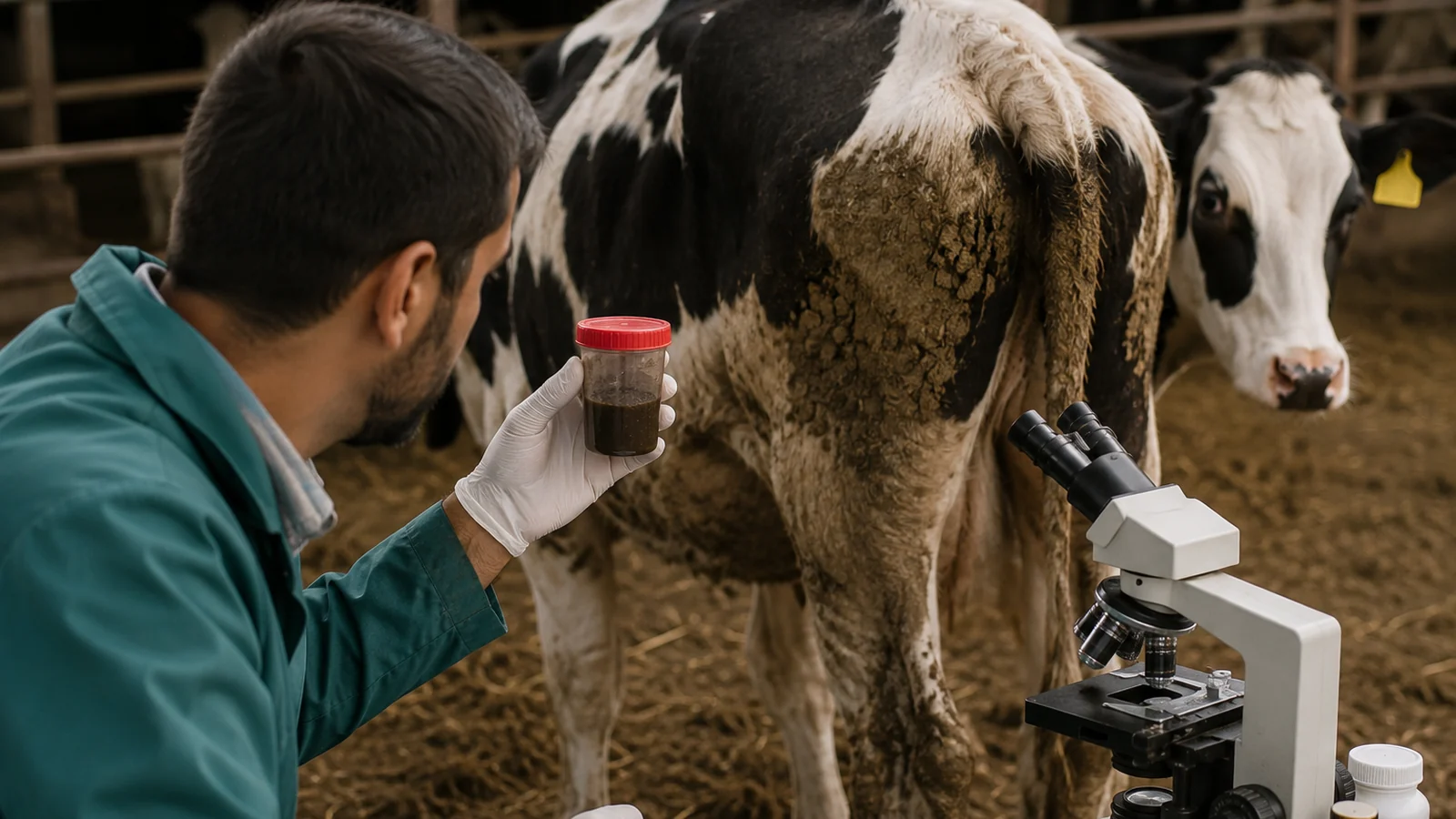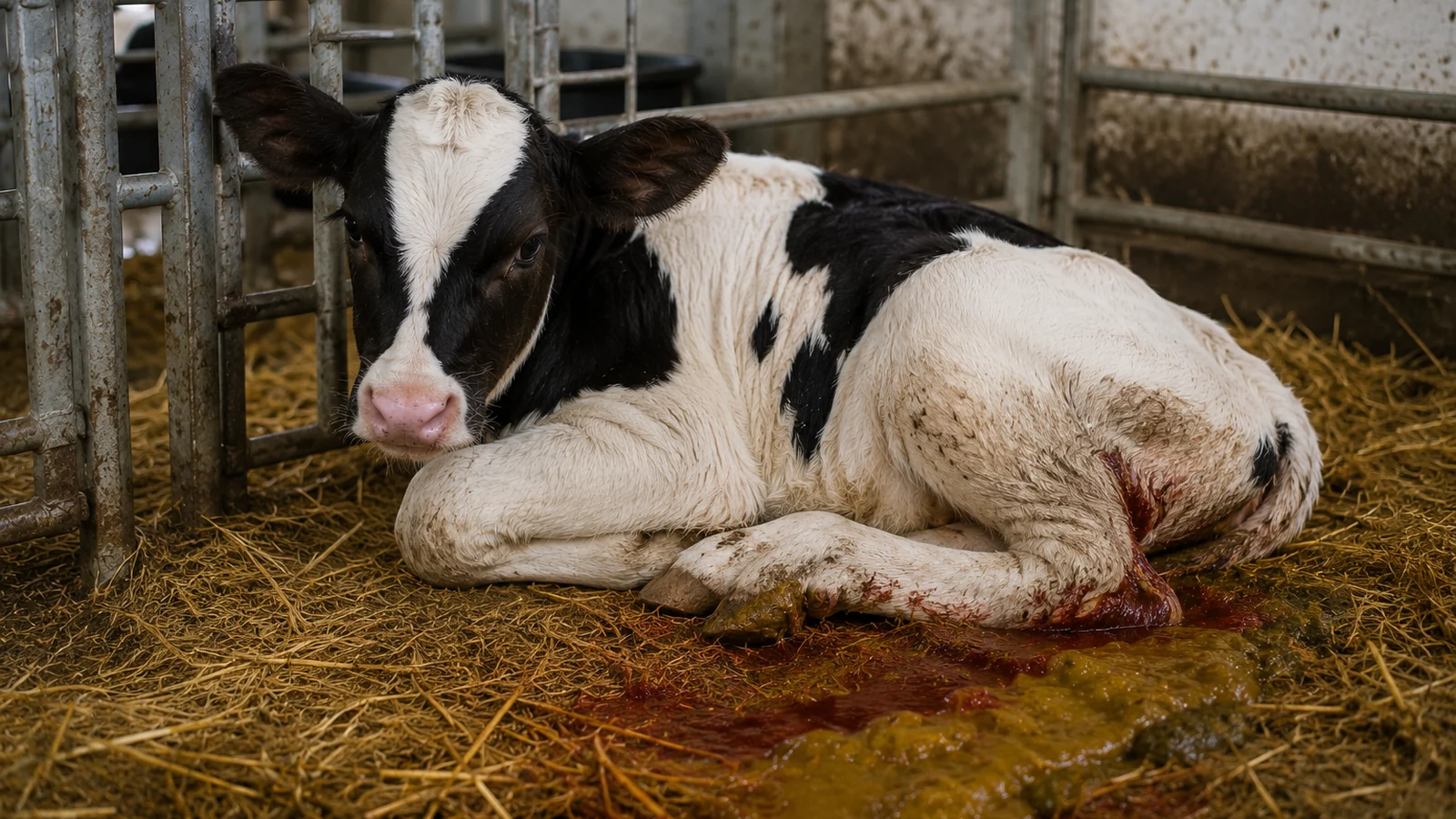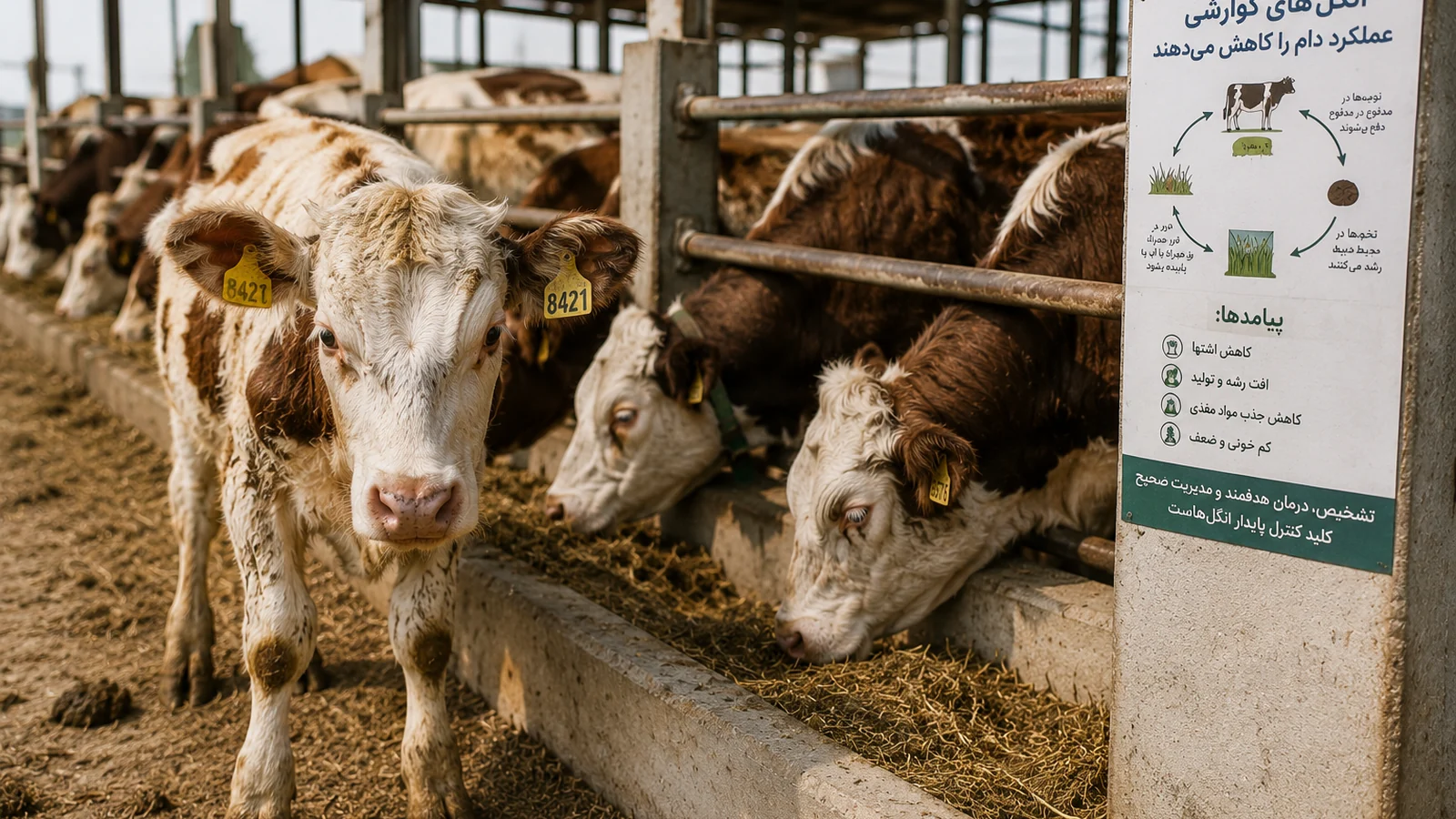
Common Skin Diseases in Cattle
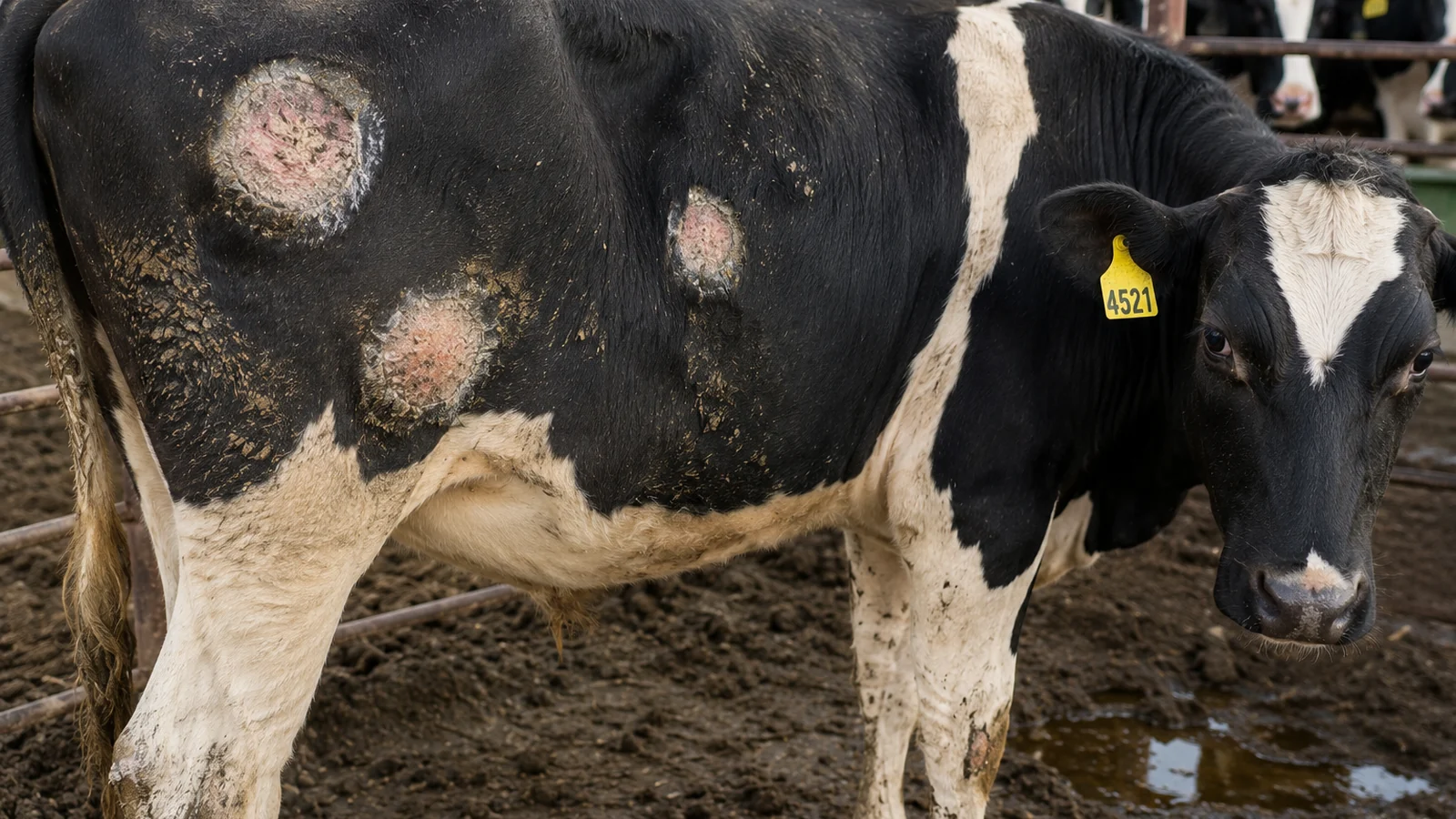
Skin problems in cattle may be caused by fungi, bacteria, external parasites, persistent moisture, environmental injuries, or certain viral diseases.
Hair loss, itching, scaling, and sores are not signs specific to a single disease; therefore, choosing a treatment based only on the appearance of the lesion can delay diagnosis.
The most important skin problems in cattle
Ringworm (skin fungus)
Dermatophytosis, or ringworm, usually appears as circular areas of hair loss with scaling and crusting. This disease can spread between animals through direct contact or contaminated equipment.
Bacterial skin infections
Prolonged moisture, contaminated bedding, and skin injury can increase the likelihood of bacterial infection. Dermatophilosis is usually associated with matted hair, crust formation, and more widespread lesions in animals exposed to moisture.
External parasites
Ticks, lice, and mange can cause itching, restlessness, hair loss, thickening of the skin, and secondary sores. Constant scratching of the skin also increases the risk of wound infection.
Viral diseases
Some viral diseases such as lumpy skin disease are accompanied by fever, skin nodules, ocular discharge, and a decline in general condition, and must be examined by a veterinarian promptly.
Signs that require examination
- Circular or widespread hair loss
- Itching and rubbing the body against equipment
- Crust, scaling, or skin discharge
- Presence of sores and an unpleasant odor
- Swelling or multiple nodules
- Fever and reduced appetite
- Spread of lesions among several animals
- Involvement of the udder or teat
Principles of management and prevention
- Isolate any animal with suspicious lesions.
- Keep the bedding dry and clean.
- Do not share contaminated brushes, ropes, and equipment.
- Implement a tick, lice, and mange control program under veterinary guidance.
- Remove sharp edges and factors that cause injury.
- Identify the cause of the lesion before using any medication.
- Staff should wear gloves when in contact with suspicious lesions.
Frequently asked questions
Is every case of hair loss a sign of fungus?
No. External parasites, friction, nutritional deficiencies, and other infections can also cause hair loss.
Is skin disease transmitted between animals?
Some diseases, such as ringworm and mange, can be transmitted; however, not all skin lesions are contagious.
When should a veterinarian be contacted?
Veterinary examination is essential in cases of fever, rapid spread of lesions, purulent discharge, foul odor, multiple nodules, or the simultaneous involvement of several animals.
Conclusion
Controlling skin diseases requires identifying the cause, isolating the suspected animal, keeping the environment dry, and targeted treatment. Using topical products without identifying the underlying agent may only temporarily change the appearance of the lesion.
Related topics
- Skin wounds in livestock
- Parasitic diseases in livestock
- Scientific consultation form
Sources
- MSD Veterinary Manual. Dermatophytosis in Cattle.
- MSD Veterinary Manual. Dermatophilosis in Animals.
- MSD Veterinary Manual. Lumpy Skin Disease in Cattle.
Note: This content is for educational purposes and is not a substitute for sampling, examination, and prescription by a veterinarian.
Phytogenics are not a substitute for good flock management; they are a complementary tool for it. The best results come when they are used alongside biosecurity, balanced nutrition and a vaccination program.
The global picture at a glance
The European Union has banned growth-promoting antibiotics since 2006, and the global market for phytogenic additives is on a steady growth path — with growing application across both poultry and livestock.
$1.05 → $1.48 billion
Global phytogenics market, 2024–2030
Grand View Research / MarketsandMarkets
Since 2006
EU ban on growth-promoting antibiotics
EU Regulation 1831/2003
Note: This piece is sample general educational content for information only; it is not a substitute for the advice of the flock’s supervising veterinarian. Asadaru supplements are supportive and preventive and are not a substitute for treatment or vaccination. The final article texts are provided and reviewed by the client.