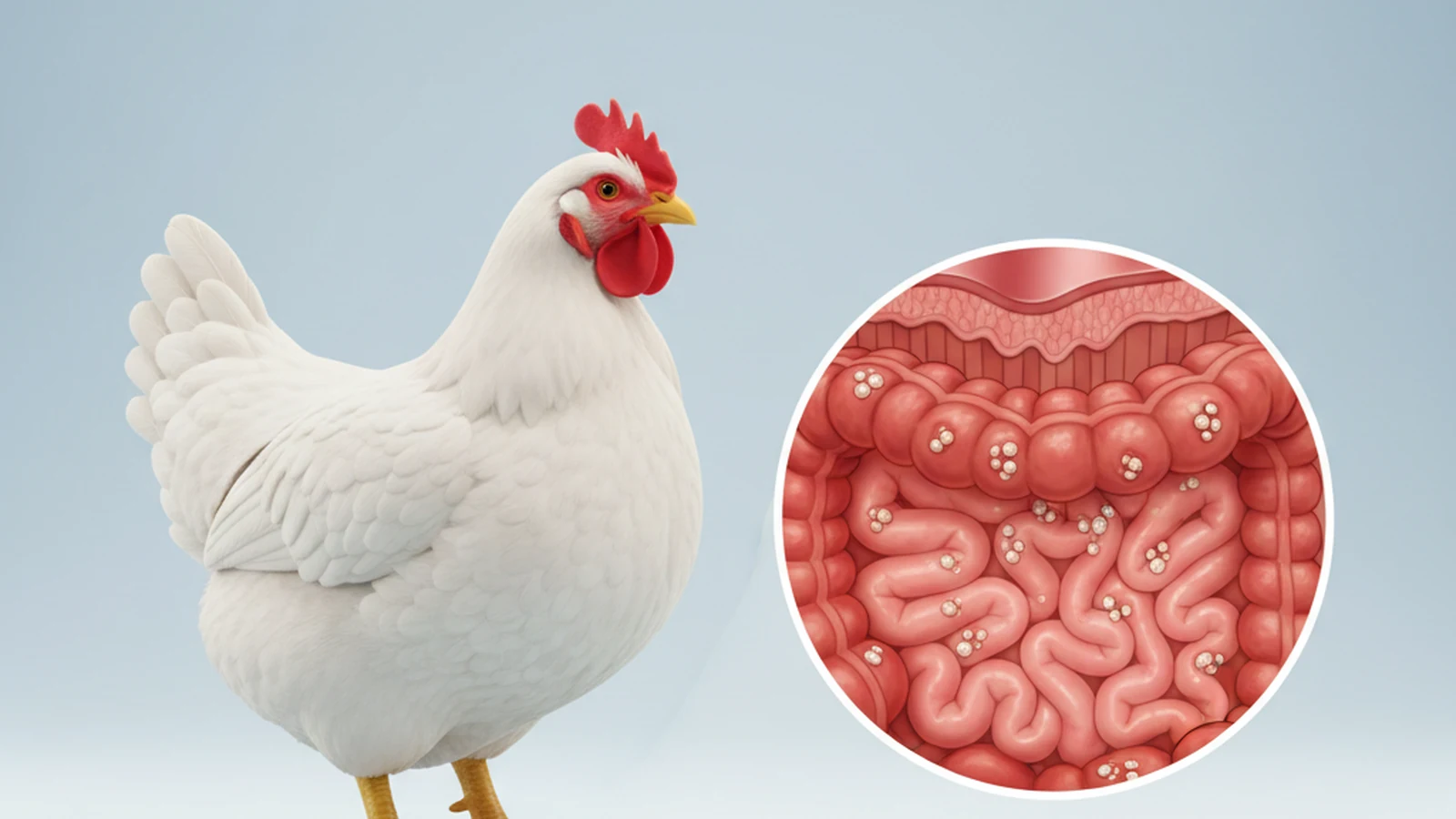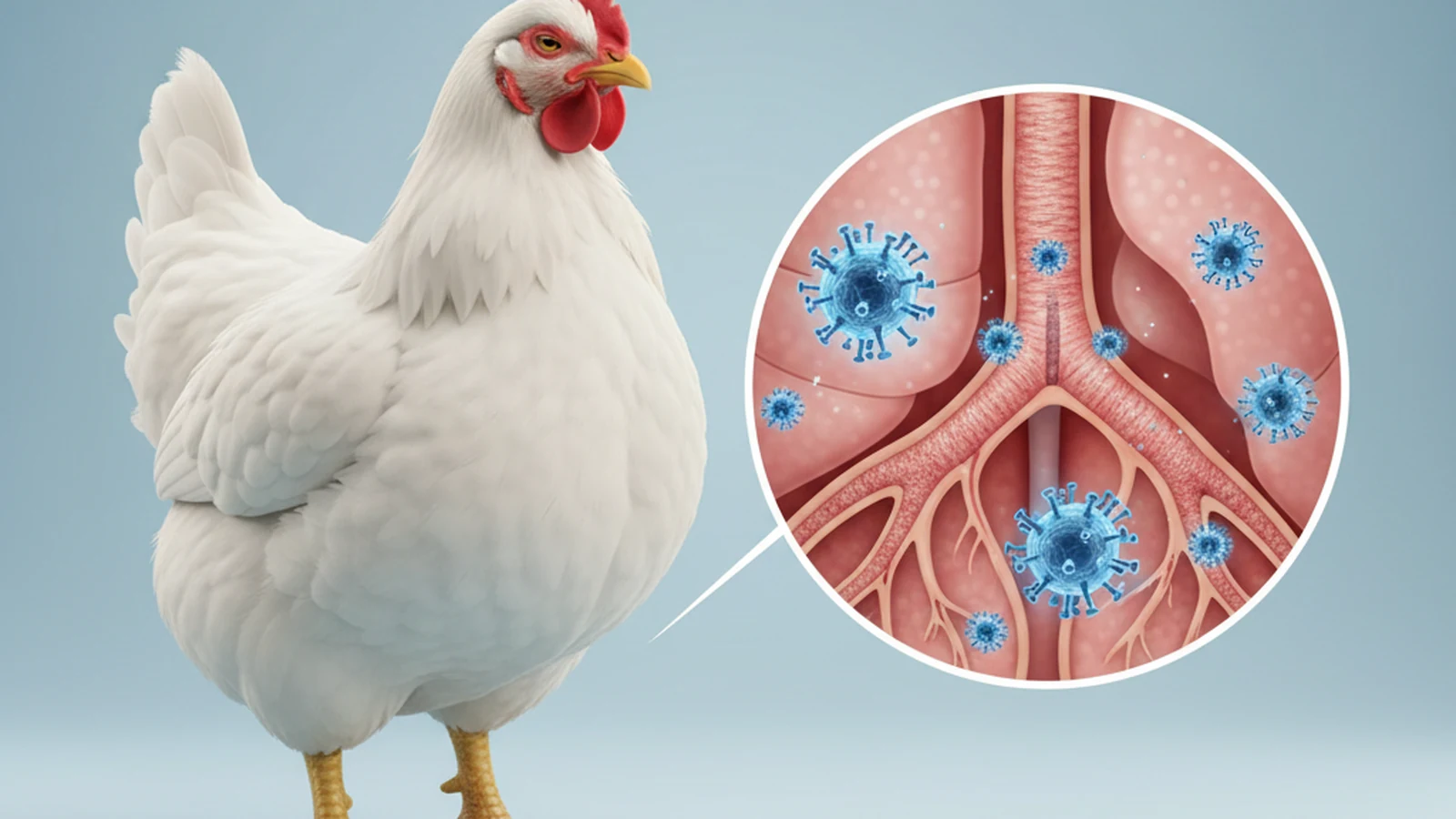
Salmonella Infections in Poultry: Pullorum, Typhoid and Paratyphoid
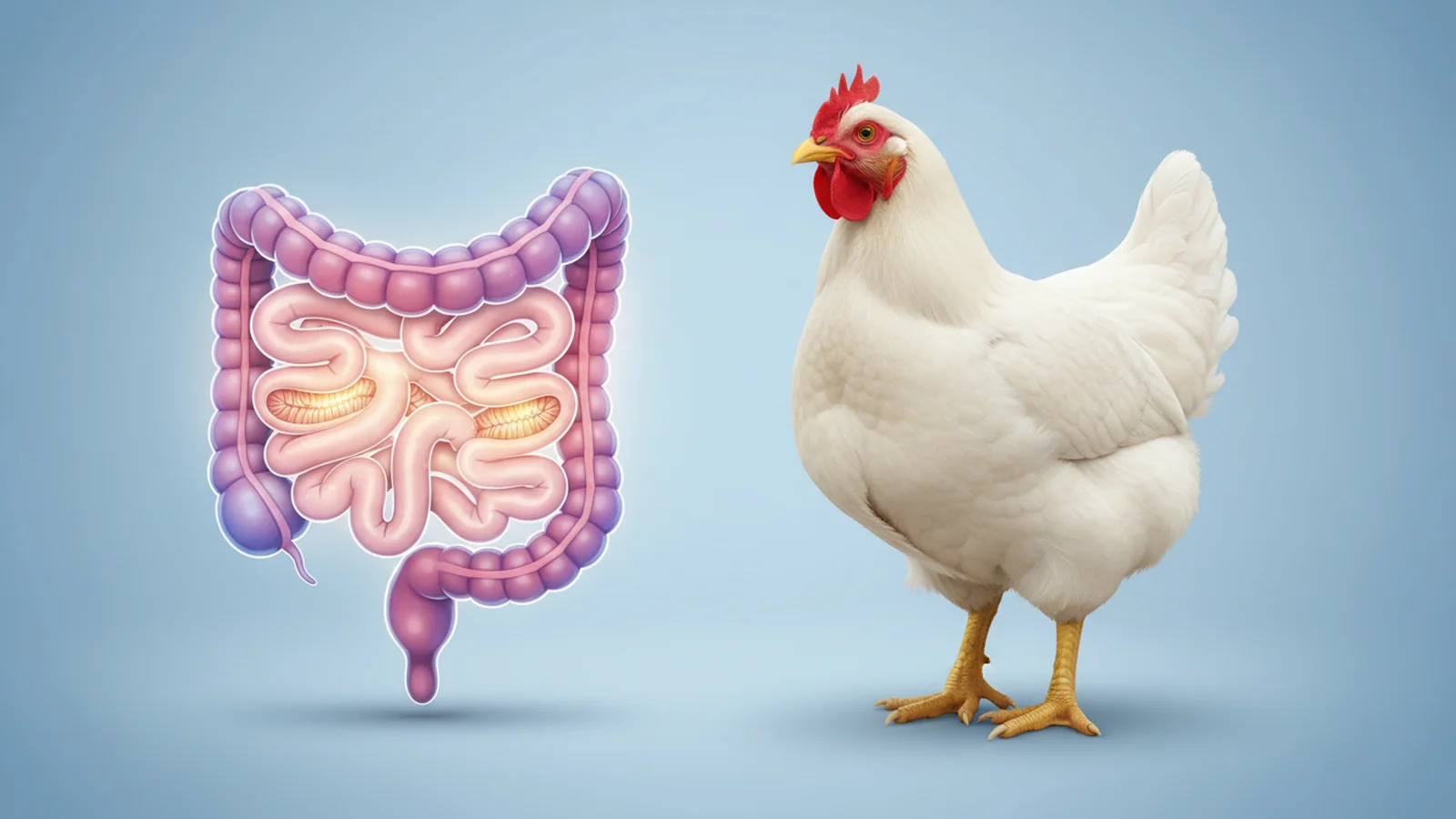
Salmonellae, which are pathogenic bacteria for both humans and animals, are Gram-negative, rod-shaped bacteria that — with the exception of Salmonella Pullorum and Salmonella Gallinarum — are all motile and grow readily in laboratory media. Salmonella infections in poultry are divided into three categories:
- Pullorum disease (Pullorum disease), or bacillary white diarrhoea of chicks (Bacillary White Diarrhoea), whose causative agent is Salmonella Pullorum (S. pullorum).
- Fowl typhoid (Fowl typhoid), whose causative agent is Salmonella Gallinarum (S. gallinarum).
- Fowl paratyphoid, which is caused by various types of motile salmonellae.
1. Pullorum disease
This disease is regarded as one of the most important diseases of domestic fowl because of the mortality it causes in chicks and the losses resulting from reduced egg production, decreased fertility and hatchability of eggs laid by carriers, and the poor growth of chicks surviving an outbreak. The disease is present in almost every part of the world. The development of new hatchery methods and the placing of large numbers of eggs in incubators has increased the severity and spread of this disease. Fortunately, thanks to the practice of establishing disease-free breeder flocks, the prevalence of the disease has fallen greatly worldwide as well as in Iran, and some countries (Scotland and Ireland) have even reported that they have eradicated it.
Causative agent
Salmonella Pullorum is the causative agent of the disease; it is a Gram-negative, non-motile bacterium. This bacterium ferments the sugars glucose and mannitol with the production of acid and gas, whereas it does not ferment the sugars lactose, dulcitol and maltose.
The antigenic components of this bacterium consist of several parts (9, 12₁, 12₂ and 12₃), which are not identical in all strains; the amount of the 12₂ component is variable and is used to distinguish the different strains. Because the antigenic formula of Salmonella Pullorum and Salmonella Gallinarum is the same, these two bacteria cannot be told apart by serological tests, and biochemical methods must be used. Salmonella Gallinarum ferments the sugars maltose and dulcitol.
This bacterium is relatively resistant to drying, cold and disinfectants. In winter the bacterium has survived in the soil for about 128 to 148 days.
Transmission and epidemiology
The usual source of contamination in the hatchery is the infected eggs laid by carrier hens, which usually carry most of the bacteria in the yolk. Although the hatchability of these eggs is low, even one or two infected chicks are enough to cause a severe outbreak in an incubator.
The down of affected chicks is heavily contaminated with the bacterium and, once dried, quickly spreads throughout the premises, causing lung infection — often severe — in other chicks. Many of these infected chicks excrete the causative agent in their droppings, contaminating water, feed and the housing area and thereby spreading the infection to other chicks through the ingestion of contaminated material.
During severe outbreaks, indirect spread of the disease also occurs, especially by equipment, clothing, utensils, chick sexers, litter and chick boxes. Flies, too, play a part in transmitting the disease. Chicks that survive an outbreak often become carriers. In such birds the infection often becomes established in the ovary, egg production during the laying period is reduced, and a number of the eggs laid contain bacteria in the yolk. Because the droppings of these hens also contain the bacterium, they act as a constant source of contamination, spreading the disease through the rest of the flock by contaminating feed and water.
In addition, transmission of the infection also occurs indirectly by hands, workers' clothing, utensils, litter and wild birds. Salmonella Pullorum can persist for up to 3 weeks in old litter and 11 weeks in fresh litter, causing indirect spread of the bacterium.
Feeding adult fowl with unfertilized hatchery eggs and eggs in which the embryo has died causes severe disease with mortality of about 10 to 20 percent.
Salmonella Pullorum, which has high virulence for its main host — domestic fowl — is also pathogenic, to a lesser degree, for the turkey, and its pathogenicity for other species appears to be limited. The bacterium has occasionally been isolated from the duck, guinea fowl, pheasant, pigeon and canary, and from mammals such as the rabbit, mouse, guinea pig, dog, cat, pig and human.
The susceptibility of different breeds of domestic fowl to this disease also varies. Light breeds, especially the Leghorn, are more resistant than heavy breeds. Females are more susceptible than males, perhaps because of the presence of the ovary in females, which is the site where the bacterium becomes established.
Clinical signs
Pullorum disease is essentially a disease of young chicks, in which the outward signs are not sufficient for diagnosis. The incubation period of the disease is between 5 and 7 days and mortality ranges from zero to 100 percent, usually reaching its peak between the sixth and tenth day of life. In many outbreaks the chicks may die without showing any signs, but signs of anorexia, increased thirst, huddling of the chicks together in warm areas, panting, listlessness, ruffled feathers and white diarrhoea may be present. Nervous signs, in which the chicks roll onto their backs or lose their balance, are also sometimes seen.
The vent of some chicks is coated with a sticky whitish or greenish-brown material. Recovered birds are often stunted and their feather growth is also defective. Outbreaks of joint swelling with this salmonella have also been observed in chicks of about 5 weeks.
Adults infected with Salmonella Pullorum rarely show any signs. Sometimes there is loss of appetite, lethargy and depression, paleness of the comb and slight diarrhoea.
Postmortem lesions
In chicks: The lesions in birds that have died of the disease vary according to the age of the bird, the virulence of the bacterium and the route of infection. In chicks that die within the first few days, the liver is enlarged and its usual yellow colour is streaked with haemorrhage. The spleen is also enlarged and congested. In the subacute forms, the yolk is not absorbed and takes on the appearance of whitish cheese curd. Necrotic foci are seen in the liver, spleen and lungs. The heart muscle and sometimes the gizzard muscle undergo degeneration. The kidneys are enlarged and congested, the ureters are distended and filled with urates, and sometimes the ceca are filled with cheesy material that may be bloody. In older chicks, abscesses on the heart muscle, sometimes accompanied by pericarditis, are the most important diagnostic sign. Histological examination of the liver shows congestion of the liver, haemorrhage and necrotic foci surrounded by accumulated leucocytes, and the early lung lesions consist of acute congestion followed by cellular infiltration and necrosis.
In adults: The lesions in chronic carrier hens are usually in the ovary. Individual ova become cystic, while the remaining yolks are deformed and often pendulous, with a thickened wall and contents resembling leather or cheese. Sometimes signs of peritonitis with adhesion of the viscera are seen. Pericarditis is also common. In cockerels, atrophy of the testis and the presence of numerous small abscesses in its epithelial tissue may be seen. The lesions of the acute form of the disease in adult fowl that have died are: enlargement of the liver with a yellowish-green colour, small necrotic foci in the spleen and pancreas, and enlargement of the heart. The kidney may be enlarged and degenerated. Fibrinous exudate on the viscera of the abdominal cavity is sometimes observed.
Diagnosis
The final diagnosis is based on observation of the lesions, isolation of the bacterium, examination of its biochemical properties and the agglutination test with group D serum. In chicks, culture from the liver and heart blood gives the best results, and Salmonella Pullorum can be isolated from them in pure culture. The spleen, kidneys, yolk sac and lungs can also be used for culture. In adult birds with the chronic form, Salmonella Pullorum is most often isolated from the ovary as well as from the liver, spleen, kidneys and bone marrow, but in the acute forms Salmonella Pullorum can be isolated from any organ. This bacterium ferments glucose and mannitol and produces H₂S, whereas it does not ferment lactose, sucrose, dulcitol and maltose, is non-motile, is indole-negative and does not break down urea.
This bacterium is pathogenic for the rabbit but not for the rat or the pigeon. Diagnosis of the infection in the live bird is based on the detection of antibody in its serum. This antibody appears in the body 3 to 10 days after infection and thereafter persists throughout the course of the infection at varying levels. It is detected by means of a tube agglutination test or a rapid whole-blood plate test.
The rapid blood test is more common because it has certain advantages; for example, it is economical and quick, it allows the reacting birds to be identified rapidly at the time of testing, and it avoids the loss of serum due to haemolysis, breakage of tubes, and so on. In brief, the procedure is as follows: a drop of blood is taken from the wing vein and mixed on a clean slide with a drop of standardized Salmonella Pullorum antigen coloured with methyl violet, and then warmed to about 20 degrees Celsius.
The result is read after one minute. A positive reaction is indicated by clumping of the antigen and clearing of the background, appearing after one minute. If this takes two minutes, the result is doubtful, and beyond that it is negative. In doubtful cases, isolation of the bacterium from the organs should be attempted. For this purpose, cultures are made from the ovary, liver and heart onto Brilliant Green Agar (B.G) or MacConkey medium. To isolate the bacterium from the droppings, it is first cultured on an enrichment medium such as tetrathionate or selenite F and then subcultured onto B.G.
Disease control
Control of the disease is based on identifying the affected birds in the breeder flock by means of the agglutination test and removing them from the flock. If infection is detected in the flock, the test must be repeated at intervals of 3 to 4 weeks until no positive case is found in two consecutive tests. Contaminated feed and suspect unfertilized eggs must not be used for feeding. All flocks must be tested once a year. New hens should be kept isolated for a sufficient period and, after no salmonella has been isolated from them on microbiological testing and they have been negative on the agglutination test, they may be introduced into the flock. Contaminated poultry houses should be disinfected with a 3 percent cresol solution and contaminated equipment with a 4 percent caustic soda solution or 5 percent hypochlorite.
Eggs from disease-free flocks should be used for the production of live poultry vaccines. The entry of wild birds, mice, insects and other animals such as dogs into the poultry farm should be prevented. Humans can also introduce the bacterium into the farm on their shoes, clothing and farm equipment, and sufficient care must be taken in these cases as well. As soon as the disease is observed in the chicks, they should be killed and, together with the litter and contaminated feed, burned or buried, and then the whole premises and equipment cleaned and disinfected; and for a new batch, chicks from disease-free breeder flocks should be obtained and reared in a clean, uncontaminated environment.
To control the disease in the hatchery, it must be borne in mind that contamination may enter the incubator through infected eggs containing bacteria in the yolk, or through contamination of the shell with droppings containing the bacterium; therefore, the use of dirty eggs or eggs from suspect flocks for hatching must be avoided.
Treatment
No drug or combination of drugs has been found that completely rids a flock of the infection; drugs have only reduced the mortality rate to some extent.
2. Fowl typhoid
Fowl typhoid is an infectious disease of domestic fowl that usually appears in an acute form, although subacute and chronic forms have also been observed. Mortality may be high. This disease occurs mainly in adult fowl and less in chicks, but infections resulting from contaminated eggs have produced in young chicks a disease similar to that of pullorum disease.
The bacterium is pathogenic for the turkey, guinea fowl, duckling, quail, pheasant and pigeon. In Iran it appears that the level of infection is higher in free-ranging native fowl than in industrial poultry farms, but observations at the poultry clinic of the Tehran Faculty of Veterinary Medicine over recent years also indicate an increase in infection in chicks of industrial poultry farms.
Causative agent
Salmonella Gallinarum, which is serologically indistinguishable from Salmonella Pullorum and can be differentiated only by its biochemical properties, is the causative agent of this disease. This bacterium is also non-motile; it ferments maltose and dulcitol, and ferments glucose and mannitol without the production of gas. The following tests help in distinguishing these two bacteria:
Salmonella Pullorum rapidly decarboxylates the ornithine decarboxylase medium, whereas Salmonella Gallinarum does not do so even after seven days. Salmonella Gallinarum grows in the well-known Christensen citrate medium, which contains organic nitrogen and no H₂S, but Salmonella Pullorum does not grow. Cystine gelatin medium enhances the growth of Salmonella Gallinarum but has no effect on Salmonella Pullorum.
The resistance of this bacterium is similar to that of the other salmonellae, and in general it persists better in dry environments than in moist ones. The bacterium survives 5 to 6 weeks in droppings, about 4 months in stagnant water, and 7 to 8 months in feed.
Transmission and epidemiology
The most usual route of infection is through the digestive tract and the ingestion of contaminated material. It has also been shown that the bacterium enters through the conjunctiva of the eye. Carriers and diseased birds excrete the causative agent into their environment in their droppings and, by contaminating water, feed and litter, in addition to infecting those around them, sometimes also produce infected chicks through the egg. Poultry workers, feed distributors, poultry buyers and visitors, if insufficient care is taken, transfer the infection from one place to another, unless they disinfect their clothing, shoes and hands.
Feed bags and poultry transport crates are also important in transmitting the disease. Flies, wild birds and animals are likewise mechanical means of transmission of the bacterium, especially if they have fed on the viscera or carcasses of dead affected birds.
The course of the disease varies in different flocks; in some flocks heavy and sudden mortality occurs, whereas in some other flocks the outward condition of the flock does not change and only sporadic mortality is seen. Many recovered birds become chronic carriers and intermittently excrete the causative agent in their droppings. Keeping such chronic carriers as healthy birds has sometimes caused severe and sudden outbreaks in the flock. Unfavourable weather conditions and failure to observe hygiene rules are aggravating factors. It appears that some feedstuffs such as fish meal contain substances that greatly increase the susceptibility of poultry to this bacterium, whereas others such as meat meal contain substances that increase resistance to the bacterium. Apparently, healthy fowl kept in infected areas where the disease is sporadic are more resistant than those kept in disease-free areas.
Clinical signs
The disease usually affects adult fowl, but its severity is greatest at ages of one to five months. The incubation period of the disease is 4 to 6 days. In severe outbreaks, mortality sometimes reaches 50 percent or more, and death comes rapidly without any signs appearing. Usually, however, signs of anorexia, increased thirst, fever, listlessness, greenish-red diarrhoea and darkening of the comb and wattles are seen. In chronic cases, there is little mortality and occasional deaths are seen. The comb and wattles are pale, and sometimes swelling of the joints and pericarditis also occur.
Postmortem lesions
The liver becomes enlarged, congested, soft and dark red or bronze in colour, which is the most constant lesion observed. The gall bladder is distended, and small white necrotic foci are seen throughout the liver tissue and sometimes in the heart muscle. The spleen is enlarged and often has numerous necrotic foci. Catarrhal inflammation of the intestinal mucosa is sometimes accompanied by haemorrhage.
Diagnosis
The definitive diagnosis is based on the isolation and identification of Salmonella Gallinarum. This bacterium is readily isolated from the liver, spleen and bone marrow. The agglutination test is used to identify diseased birds and carriers. Salmonella Pullorum antigen can also be used for the rapid whole-blood agglutination test. The disease must be distinguished from fowl cholera, which is more severe. The rabbit is susceptible to Pasteurella multocida and resistant to Salmonella Gallinarum. It is also necessary to distinguish the disease from Newcastle disease and monocytosis.
Disease control
Experience has shown that, in order to eliminate the source of infection, mass slaughter of the survivors of an outbreak followed by cleaning and disinfecting the premises and all equipment is necessary. In general, the principles of controlling the disease are the same as those mentioned for pullorum disease.
The production of solid immunity in adult fowl by inoculation with live or killed cultures of Salmonella Gallinarum has been used in many countries and interesting results have sometimes been reported, but on the whole it has not been well received; because killed vaccines do not produce strong and lasting immunity, and live vaccines, although in some countries they have produced strong and lasting immunity, have also increased the number of chronically infected poultry.
Treatment
Antocil is an oral solution and a combination of several natural plant essential oils that, with the high percentage of its active substance, reduces intestinal inflammation and spasm, combats bacterial infections and prevents the development of oxidative stress. Among the benefits of using Antocil are the prevention and treatment of enteritis and salmonella infections, the reduction of digestive inflammation and haemorrhage, the balancing of intestinal pH and the control of the conditions of the intestinal microflora, the reduction of cases of diarrhoea and help toward the uniformity of the flock, and the inhibition of the growth and multiplication of pathogenic bacteria and fungi. Antocil is a completely natural compound and has no side effects, no drug residue and no withdrawal period. Moreover, because it contains several diverse active compounds, there is also no possibility of resistance developing against it.
3. Fowl paratyphoid
It is now known that practically all species of domestic birds are susceptible to a large number of different serotypes of salmonellae. Outbreaks among chicks and turkeys caused by salmonellae other than Salmonella Pullorum and Salmonella Gallinarum have caused septicaemia in an acute and often fatal form that, even in young chicks, is indistinguishable from pullorum disease; but unlike pullorum, the survivors completely rid themselves of the infectious agent within a few months. Infected adult birds rarely show any signs. Contamination of the ground, feed and water with infected droppings causes the spread of the infection.
Causative agent
Various species of Salmonella are at the origin of the disease. In Iran, during the years 52 to 54, Salmonella Typhimurium, Havana, Blockley, Heidelberg, Saintpaul and Thompson were isolated from domestic fowl, and outbreaks with Salmonella Typhimurium were more frequent than the others. All of these outbreaks occurred at ages of less than one month, and most of the affected birds had unabsorbed yolk. In ducks and geese, too, Salmonella Typhimurium is among the common types, and this salmonella has repeatedly been isolated from the pigeon and canary at the poultry clinic of the Tehran Faculty of Veterinary Medicine.
Transmission and epidemiology
Contamination of the ground, feed and water with infected droppings causes the spread of the infection. The shell of eggs laid by carrier hens becomes contaminated with salmonella owing to contamination with droppings, and this contamination can, in the incubator, pass through the shell and reach the yolk. Transmission of the infection via the ovary in domestic fowl is not extensive, unlike in pullorum disease, but there are observations indicating transmission of Salmonella Typhimurium, Enteritidis, Heidelberg and Menston via the ovary.
Transmission of Salmonella Typhimurium via the ovary is very common in ducks and geese. Humans and other animals, especially the mouse and lizard, may be carriers of salmonellae, especially Salmonella Typhimurium, and intermittently excrete this salmonella in their droppings and thus act as a source of contamination.
The infection spreads more through the preparation of feeds contaminated with fish meal or bone meal. It has recently been shown that fish meal in particular is heavily contaminated with salmonella and has been the source of outbreaks.
Clinical signs
In chicks, mortality reaches 10 to 20 percent and sometimes 80 percent, depending on environmental factors, the type of pathogenic strain and the presence of other diseases. The signs are similar to pullorum disease, with watery white diarrhoea, pasting of the vent and huddling of the chicks in one spot. In adult fowl, signs are rarely observed and only occasionally is diarrhoea present. Blindness has been observed in a flock 3 to 4 weeks after infection with Salmonella Typhimurium. In 1358, one instance of this condition was also observed at the poultry clinic of the Faculty of Veterinary Medicine. If this disease is accompanied by other diseases, especially diseases of the digestive tract such as coccidiosis, it is more severe.
Postmortem lesions
In chicks, unabsorbed yolk and a yellow liver with haemorrhagic foci are seen, and in adult fowl enteritis is sometimes observed.
Diagnosis
For diagnosis, the pathological samples must be cultured and the bacterium isolated. In chicks, culture from the liver and yolk sac, and in older fowl culture of the bursa of Fabricius, the ceca and the lymphoid follicles at the bifurcation of the ceca — because the bacterium settles in them — gives the best results. Detection of infection in the live birds of an adult flock is also practicable by culturing the litter, and the haemagglutination test has likewise been very useful in diagnosing infection with Salmonella Typhimurium.
Control and prevention
Hygiene measures at the level of the flock and the hatchery are the most important factors in the control and prevention of paratyphoid. Eggs from flocks that were affected by the disease during the chick stage and have possibly become carriers must not be used. The haemagglutination test identifies the carrier birds. Clean eggs not contaminated with droppings should be disinfected with formalin vapour immediately (up to about 2 hours after being laid) and then kept in cool places until they are placed in the incubator.
Disinfecting the eggs with formalin vapour is very effective, because the bacterium is destroyed before it has the chance to enter the egg through the shell. Once the bacterium has entered the egg, it can no longer be eliminated. Disinfecting the egg with formalin vapour immediately after it has been placed in the incubator is not suitable, because the embryo, especially during the first 24 to 96 hours of formation, is very sensitive to injury by this gas.
Young chicks must be kept away from the source of contamination, and it must be ensured that contamination is not brought into the farm from other places on shoes, clothing or hands. The use of contaminated feed and water must be avoided, mice and insects must be exterminated, and the flock must be tested serologically at regular intervals.
If the flock becomes infected, all the poultry must be destroyed and the site moistened with lime — which both prevents the scattering of particles and has a disinfecting effect on the bacterium — and then the poultry house emptied, the litter burned and the environment thoroughly disinfected.
In recent years, studies have been carried out using the natural intestinal flora of adult fowl in chicks to prevent salmonella infection, and relative results have been obtained, but further studies are still needed in this direction.
Treatment
Antocil is an oral solution and a combination of several natural plant essential oils that, with the high percentage of its active substance, reduces intestinal inflammation and spasm, combats bacterial infections and prevents the development of oxidative stress. Among the benefits of using Antocil are the prevention and treatment of enteritis and salmonella infections, the reduction of digestive inflammation and haemorrhage, the balancing of intestinal pH and the control of the conditions of the intestinal microflora, the reduction of cases of diarrhoea and help toward the uniformity of the flock, and the inhibition of the growth and multiplication of pathogenic bacteria and fungi. Antocil is a completely natural compound and has no side effects, no drug residue and no withdrawal period. Moreover, because it contains several diverse active compounds, there is also no possibility of resistance developing against it.
Public health aspects of salmonella infections for humans
Because of the abundance and ubiquity of salmonellae, the lack of a specific host for them, and the fact that all species are pathogenic for humans, the risk of human infection from direct and indirect contact with animals is emphasized. The prevention and elimination of salmonellosis in humans depends to a large extent on the control and prevention of the infection in animals. The disease in animals is seen with signs of intestinal infection which, under certain conditions, turns into a blood infection. The intermittent shedding of the bacterium in the droppings of apparently healthy animals causes the spread of contamination in the environment, an increase in the occurrence of the disease and, consequently, an increase in the difficulties of controlling the contamination. The risk of infection is greater for those who deal directly with animals, such as poultry keepers, farmers, veterinarians and farm workers.
In addition to these, contamination arising from the consumption of the meat and milk of livestock and from the contact of foodstuffs with the droppings of rodents — especially the mouse, which has often carried Salmonella Typhimurium — has been at the origin of many human outbreaks. The consumption of the meat and eggs of poultry, which are recognized as the largest source of salmonellae, has been at the origin of many cases of human food poisoning. Poultry carcasses often become contaminated with salmonella during preparation for cooking owing to contamination with the intestinal contents. Salmonella Typhimurium and Pullorum have been isolated from eggs, and Salmonella Typhimurium from duck eggs. Although the level of contamination in eggs is low, this type of contamination is one of the most difficult sources of contamination to control in humans. Products made from eggs, such as egg powder, have sometimes been heavily contaminated and have caused many human outbreaks.
Phytogenics are not a substitute for good flock management; they are a complementary tool for it. The best results come when they are used alongside biosecurity, balanced nutrition and a vaccination program.
The global picture at a glance
The European Union has banned growth-promoting antibiotics since 2006, and the global market for phytogenic additives is on a steady growth path — with growing application across both poultry and livestock.
$1.05 → $1.48 billion
Global phytogenics market, 2024–2030
Grand View Research / MarketsandMarkets
Since 2006
EU ban on growth-promoting antibiotics
EU Regulation 1831/2003
Note: This piece is sample general educational content for information only; it is not a substitute for the advice of the flock’s supervising veterinarian. Asadaru supplements are supportive and preventive and are not a substitute for treatment or vaccination. The final article texts are provided and reviewed by the client.