Mucus and Respiratory Secretions in Poultry
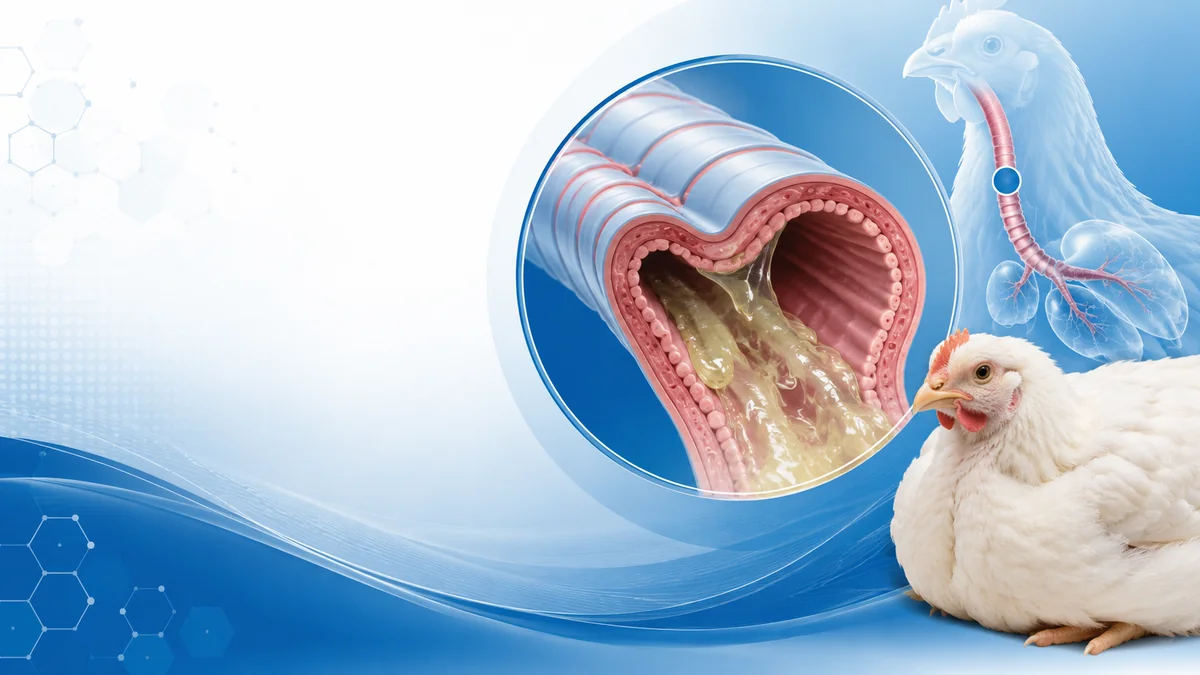
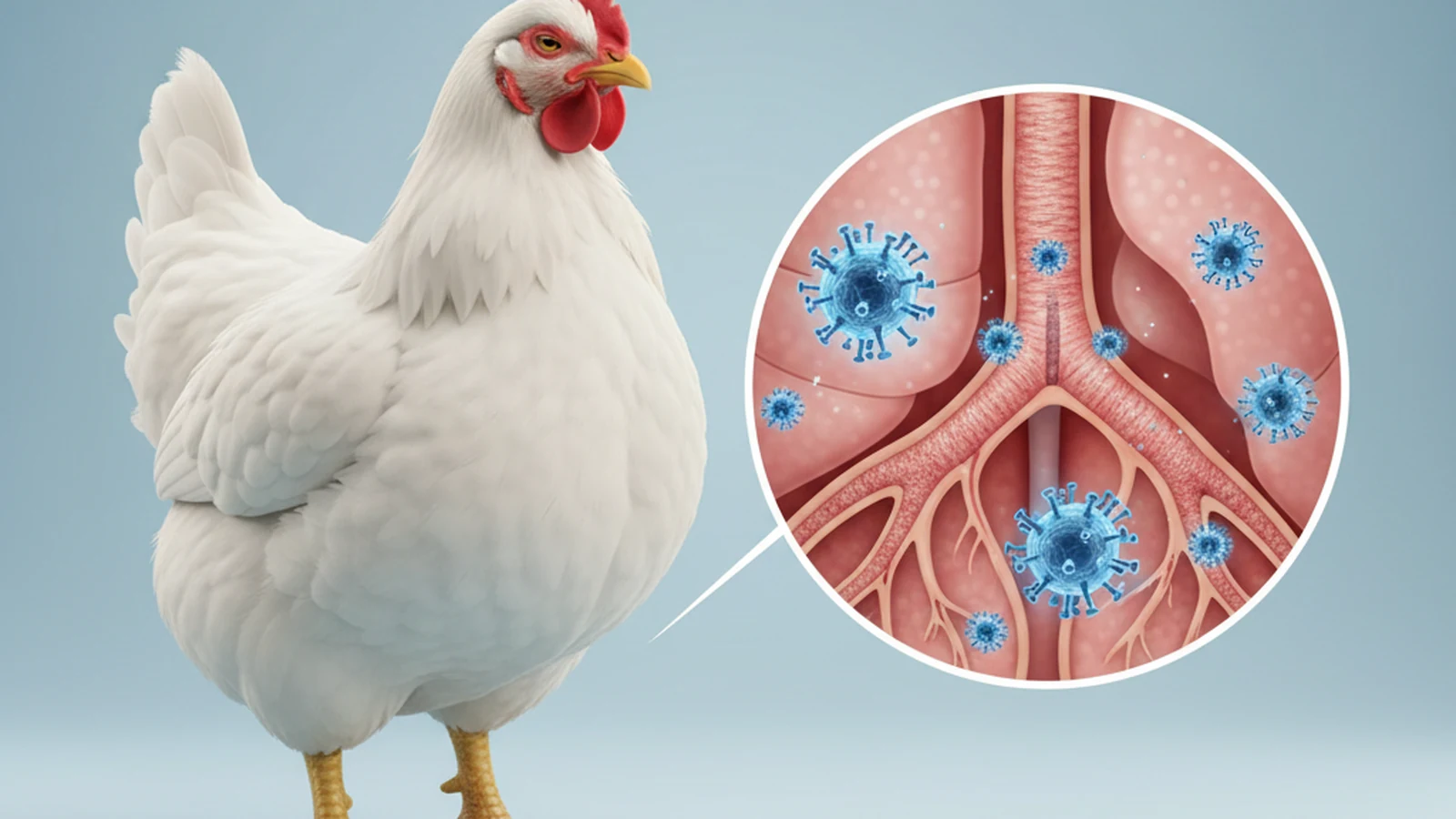
Mucus is naturally part of the respiratory tract's defense system and helps trap particles, microbes, and dust. A problem arises when mucus production becomes excessive, its viscosity increases, or its natural clearance is impaired. Under such conditions, the airways narrow and the bird's breathing becomes more difficult.
Thick secretions and mucus are usually seen in viral and bacterial respiratory diseases, during exposure to high ammonia, dust, and poor ventilation, or in response to inflammation of the mucous membrane. For this reason, observing secretions should serve as a warning sign to check air quality and the underlying cause.
Main causes of increased secretion
- Inflammation caused by bronchitis or other respiratory infections
- Irritation of the mucosa by ammonia, dust, and suspended particles
- Secondary bacterial infections
- Weakened function of the respiratory cilia and impaired natural clearance
Consequences of mucus accumulation
- Reduced airflow
- Increased respiratory noise and wheezing
- Greater susceptibility to secondary infections
- Reduced feed intake and slower growth
Management measures
- Immediate correction of ventilation and reduction of ammonia
- Investigation of the underlying cause of the disease by a veterinarian
- Reduction of dust and environmental stress
- Support for thinning and clearance of secretions when needed
FAQ
Is respiratory secretion always a sign of bacterial infection? No. Viral and environmental factors also play an important role.
Why is ventilation important in this situation? Because air quality directly affects mucosal inflammation and the viscosity of secretions.
Should mucus always be controlled with medication? No. The cause and the environment should be examined first.
Call to action
To learn about Mentosil as a supportive aid associated with thinning and clearing respiratory secretions, please read the relevant product page.
Suggested internal links
- Wheezing in chickens
- Infectious bronchitis in poultry
- Mentosil product page
- Mentosil field study
Phytogenics are not a substitute for good flock management; they are a complementary tool for it. The best results come when they are used alongside biosecurity, balanced nutrition and a vaccination program.
The global picture at a glance
The European Union has banned growth-promoting antibiotics since 2006, and the global market for phytogenic additives is on a steady growth path — with growing application across both poultry and livestock.
$1.05 → $1.48 billion
Global phytogenics market, 2024–2030
Grand View Research / MarketsandMarkets
Since 2006
EU ban on growth-promoting antibiotics
EU Regulation 1831/2003
Note: This piece is sample general educational content for information only; it is not a substitute for the advice of the flock’s supervising veterinarian. Asadaru supplements are supportive and preventive and are not a substitute for treatment or vaccination. The final article texts are provided and reviewed by the client.