Loss of Appetite in Cattle: Causes and Management Methods
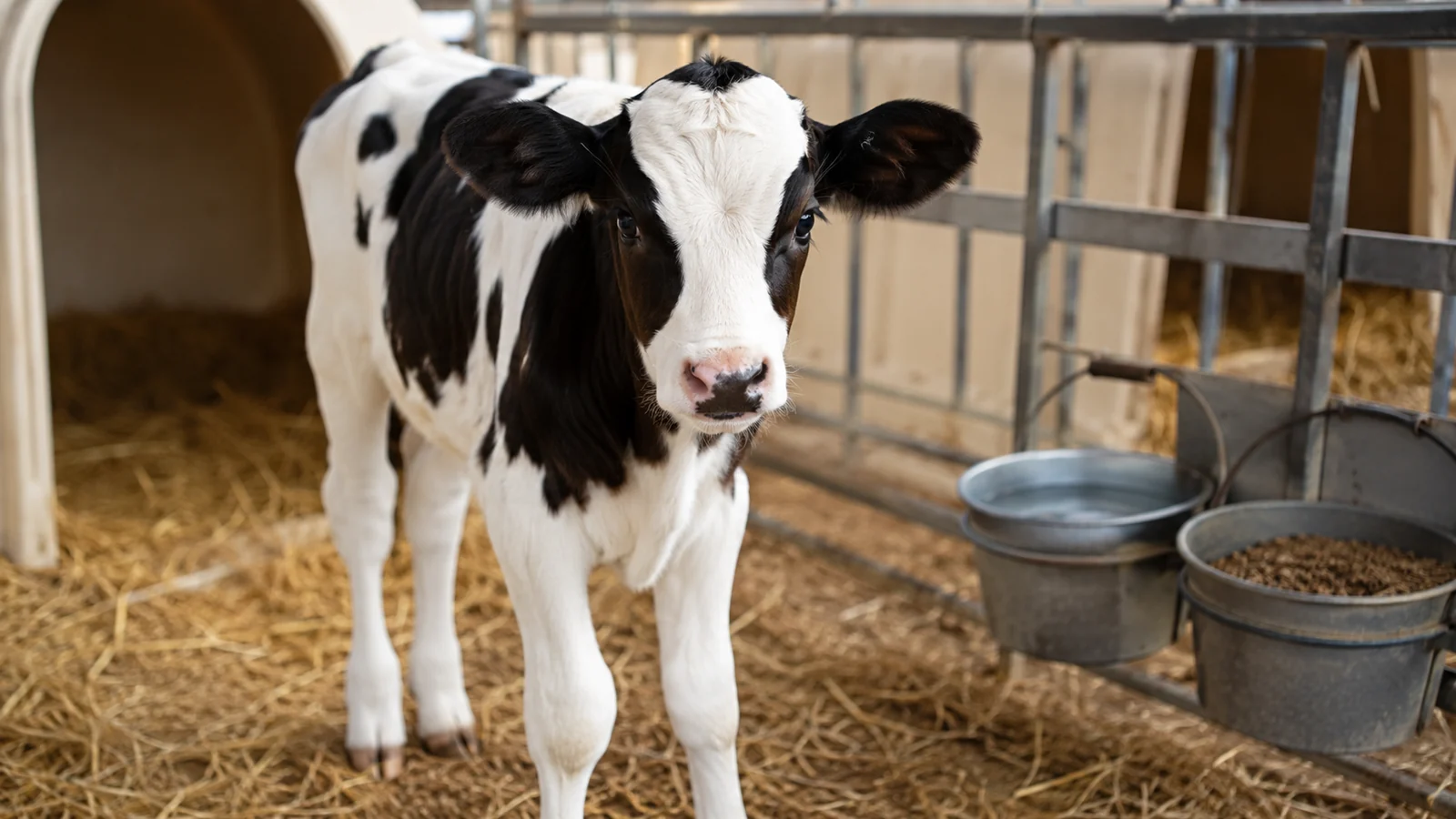
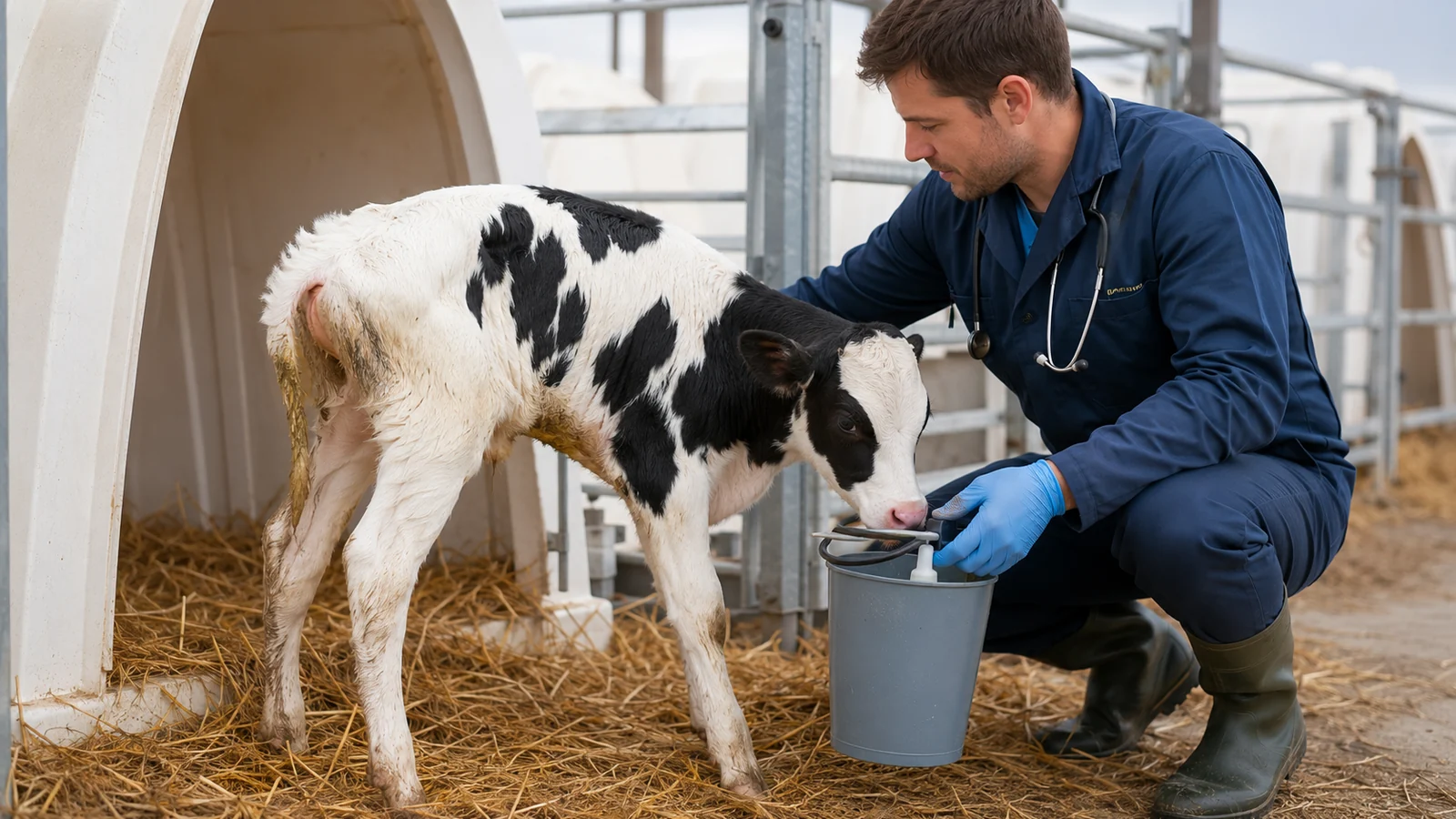
Reduced feed intake in cattle is not a disease in itself, but it can be the first sign of a nutritional disorder, illness, environmental stress, or a management problem. If this condition persists, it may lead to weight loss, a decline in milk production, a weakened immune system, and impaired reproductive performance.
For this reason, the underlying cause of reduced feed intake must be identified before using any appetite-stimulating product.
The Most Important Causes of Loss of Appetite
Diet and Feed Disorders
A sudden change in the ration, a lack of effective fiber, a rapid increase in concentrate, moldy feed, or an unpalatable taste and smell of the ration can reduce feed intake.
Simple indigestion may also develop after a sudden change in feed and can be accompanied by loss of appetite, a decline in rumen movements, and changes in the manure.
Rumen Dysfunction
Rumen acidosis, bloat, and reduced movements of the digestive tract can decrease rumination and cause the animal to refuse feed.
A reduced frequency of rumination, abdominal distension, a change in manure consistency, and a decline in milk production are signs that should be examined alongside appetite.
Metabolic Diseases After Calving
The days before and after calving are among the most sensitive periods in the life of a dairy cow. Ketosis, calcium deficiency, and abomasal displacement can be accompanied by loss of appetite, a decline in production, and general weakness.
Reduced feed intake during this period should not be considered normal and requires a prompt assessment of the animal's condition.
Infectious Diseases and Pain
Mastitis, metritis, respiratory diseases, lameness, and abdominal pain can cause reduced feed intake.
The presence of fever, abnormal discharge, changes in the milk, lameness, or the animal isolating itself increases the likelihood of an underlying disease.
Heat Stress
In hot weather, cattle limit their feed intake in order to reduce metabolic heat production. This loss of appetite may be accompanied by increased respiration, gathering in cool areas, increased water consumption, and a drop in milk production.
Studies have shown that heat stress can significantly reduce dry matter intake and milk production in cattle.
What Should Be Examined When Appetite Decreases?
- The time the reduction in feed intake began
- The number of animals affected
- The quality, smell, and temperature of the feed
- Recent changes to the ration
- The animal's access to clean water
- The frequency of rumination
- Rumen movements and fill
- The condition of the manure
- Body temperature
- Milk production and appearance
- The condition of the hoof and the animal's gait
- The time of calving and the conditions afterward
If several cows consume less feed at the same time, a problem with the ration, water, feed quality, or environmental conditions is more likely. Loss of appetite in a single, individual animal is more likely to be related to illness or pain.
Initial Management Measures
- Check for and remove moldy, heated, or unpalatable feed.
- Ensure the animal has constant access to clean water.
- Make changes to the ration gradually.
- Check the effective fiber and the uniformity of the mixed feed.
- Separate the sick animal for a more thorough examination.
- Monitor body temperature, rumination, and manure.
- In hot weather, check the ventilation and cooling system.
- Avoid the arbitrary use of medication or appetite stimulants before the cause is diagnosed.
Supportive products may be used after the cause is identified and alongside correcting the ration and management, but they cannot compensate for disease, a shortage of water, or poor feed quality.
When Should You Contact the Veterinarian?
If the following are observed, the animal should be examined more quickly:
- Complete cessation of feed intake
- A severe drop in milk production
- Fever or a decrease in body temperature
- Cessation of rumination
- Bloat or abdominal distension
- Recumbency or severe weakness
- Bloody or highly abnormal manure
- Foul-smelling discharge after calving
- A change in the appearance of the milk or udder pain
- Continued loss of appetite for more than one feeding
Frequently Asked Questions
Is loss of appetite always related to the ration?
No. Metabolic diseases, infection, pain, heat, and digestive tract problems can also reduce feed intake.
Can an appetite stimulant be used immediately?
The underlying cause must be identified first. Using an appetite stimulant without investigating for disease may delay the diagnosis and treatment of the main problem.
Why do cattle eat less in hot weather?
The digestion and fermentation of feed produce heat in the body. Under heat stress, cattle limit their feed intake in order to reduce heat production.
Is loss of appetite after calving normal?
Feed intake may change around the time of calving, but a severe or persistent decrease can be a sign of ketosis, calcium deficiency, metritis, or abomasal displacement and should be investigated.
Conclusion
Loss of appetite in cattle is a warning sign and can have a variety of causes, ranging from poor feed quality to metabolic and infectious diseases.
The ration, water, rumination, the animal's general condition, and environmental conditions should be examined before using supportive products. Quickly identifying the cause can prevent a drop in production, weight loss, and worsening of the disease.
Related Topics
- Digestive tract health in cattle
- The role of prebiotics in the gut health of livestock
- Heat stress in cattle
- Gastrointestinal parasites and reduced animal performance
- Scientific consultation form
References
- Merck Veterinary Manual. Simple Indigestion in Ruminants.
- Chen L, et al. Effects of Heat Stress on Feed Intake and Milk Yield in Dairy Cows.
- West JW. Effects of Heat Stress on Production in Dairy Cattle.
- Constable PD, et al. Veterinary Medicine.
Note: This content is educational and is not a substitute for the examination, diagnosis, ration formulation, or prescription of a veterinarian and nutrition specialist.
Phytogenics are not a substitute for good flock management; they are a complementary tool for it. The best results come when they are used alongside biosecurity, balanced nutrition and a vaccination program.
The global picture at a glance
The European Union has banned growth-promoting antibiotics since 2006, and the global market for phytogenic additives is on a steady growth path — with growing application across both poultry and livestock.
$1.05 → $1.48 billion
Global phytogenics market, 2024–2030
Grand View Research / MarketsandMarkets
Since 2006
EU ban on growth-promoting antibiotics
EU Regulation 1831/2003
Note: This piece is sample general educational content for information only; it is not a substitute for the advice of the flock’s supervising veterinarian. Asadaru supplements are supportive and preventive and are not a substitute for treatment or vaccination. The final article texts are provided and reviewed by the client.