Calf Gut Health: The Foundation of Growth, Immunity, and Future Performance

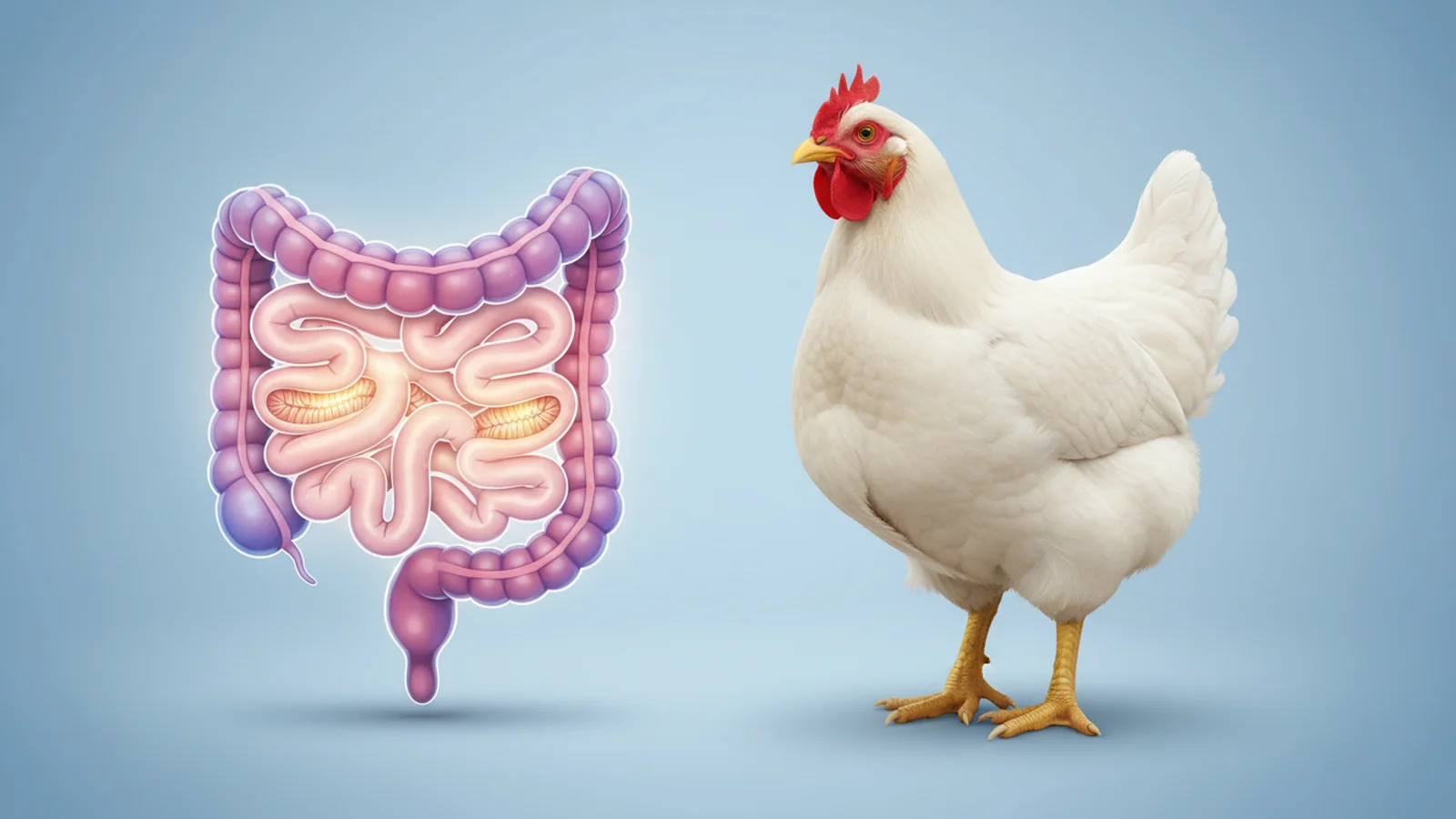
The calf's gut is not merely the site where milk is digested and absorbed. A large part of a calf's growth, immune function, and resistance to pathogens depends on the health of the digestive tract.
A disturbance in gut health may present as diarrhea, but diarrhea is not its only sign. Reduced appetite, poor growth, bloating, irregular feces, and increased susceptibility to disease can also be linked to poor digestive function.
Why does gut health matter?
Better nutrient absorption
A healthy gut allows proper absorption of energy, protein, vitamins, and minerals. Damage to the intestinal wall or impaired digestion can cause a calf to grow poorly despite consuming enough milk.
Support for the immune system
A significant part of the body's defensive activity takes place in connection with the digestive tract. A healthy intestinal barrier prevents pathogens and harmful compounds from entering the body's tissues.
Maintaining microbial balance
The digestive tract hosts a community of microorganisms. Improper feeding, unsupervised antibiotic use, stress, and environmental contamination can disrupt the natural balance of this microbial population.
What factors threaten gut health?
- Insufficient or delayed colostrum intake
- Low quality or contaminated milk
- Sudden change in the type of milk or milk replacer
- Improper concentration and temperature of the milk
- Contamination of feeding utensils and equipment
- A damp, contaminated housing area
- High stocking density and contact with sick calves
- Cold, heat, or relocation stress
- Unnecessary use of antibiotics
- Infection by infectious and parasitic agents
Signs of impaired gut health
- Reduced milk intake
- Loose or irregular feces
- Frequent diarrhea
- Bloating and abdominal discomfort
- Reduced growth rate
- Weakness and lethargy
- Lack of uniformity among calves
- Prolonged recovery period after illness
Observing these signs alone does not identify the cause of the problem. Feeding conditions, colostrum, housing hygiene, and the calf's general condition must be examined together.
How can we support calf gut health?
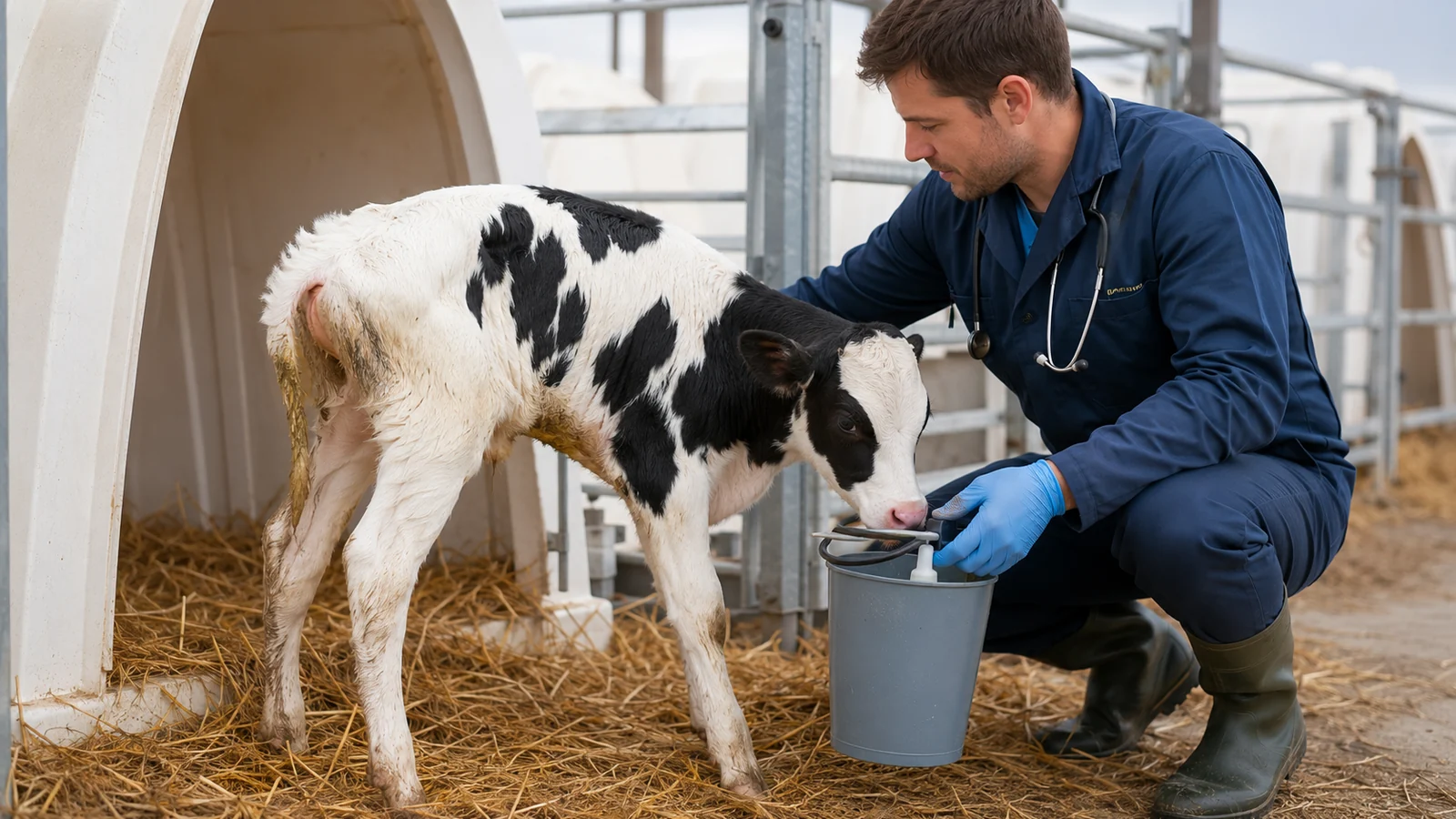
Proper management begins in the very first hours of life. Rapid and adequate intake of high-quality colostrum, maintaining hygiene at the calving site, and consistency of the feeding program are among the most important measures.
Washing equipment, using clean water, avoiding sudden changes in feeding, and isolating sick calves also reduce the pressure of pathogens.
Digestive support products and prebiotic compounds can also, alongside proper management, help maintain the balance of the gut environment; however, they are not a substitute for proper feeding, hygiene, and specific treatment.
The link between gut health and calf diarrhea
Diarrhea is one of the most important signs of a digestive disorder, but controlling it is not achieved merely by stopping the watery feces. Dehydration must be compensated, the underlying cause identified, and feeding and housing conditions corrected.
Recurrence of diarrhea in several calves usually indicates that, in addition to treating the sick animal, it is necessary to review the management of colostrum, milk, equipment, and the rearing environment.
Frequently asked questions
Can a calf have a digestive problem even without diarrhea?
Yes. Reduced appetite, bloating, poor growth, and irregular feces can also be signs of a digestive disorder.
What effect does antibiotic use have on the gut?
Necessary and prescribed use may be required to control an infection, but unsupervised use can disrupt the gut's natural microbial balance.
When is the most important time to support gut health?
The first weeks of life are of great importance, because the calf's immune system and digestive tract are still developing.
Are support products sufficient on their own?
No. These products should be used alongside colostrum management, proper feeding, hygiene, and veterinary diagnosis.
Conclusion
Gut health is one of the main foundations of a calf's growth, immunity, and future performance. Diarrhea is only one of the signs of a digestive disorder, and to sustainably control gut problems, feeding, colostrum, hygiene, and environmental conditions must be managed in an integrated way.
Related topics
- Calf diarrhea: causes, symptoms, and control methods
- Dehydration caused by diarrhea in calves
- The role of colostrum in calf health
- Factors affecting calf growth
- Scientific consultation form
References
- Malmuthuge N, Guan LL. Gut Microbiome and Development of the Young Ruminant.
- Meale SJ, et al. Development of the Calf Gastrointestinal Tract.
- MSD Veterinary Manual. Management of Newborn Calves.
Note: This content is educational and is not a substitute for examination, diagnosis, and prescription by a veterinarian. Asadaru products are part of a supportive livestock management program and are not a substitute for specific treatment or nutritional and hygiene measures.
Phytogenics are not a substitute for good flock management; they are a complementary tool for it. The best results come when they are used alongside biosecurity, balanced nutrition and a vaccination program.
The global picture at a glance
The European Union has banned growth-promoting antibiotics since 2006, and the global market for phytogenic additives is on a steady growth path — with growing application across both poultry and livestock.
$1.05 → $1.48 billion
Global phytogenics market, 2024–2030
Grand View Research / MarketsandMarkets
Since 2006
EU ban on growth-promoting antibiotics
EU Regulation 1831/2003
Note: This piece is sample general educational content for information only; it is not a substitute for the advice of the flock’s supervising veterinarian. Asadaru supplements are supportive and preventive and are not a substitute for treatment or vaccination. The final article texts are provided and reviewed by the client.