Heat Stress in Poultry: Signs, Consequences, and Control
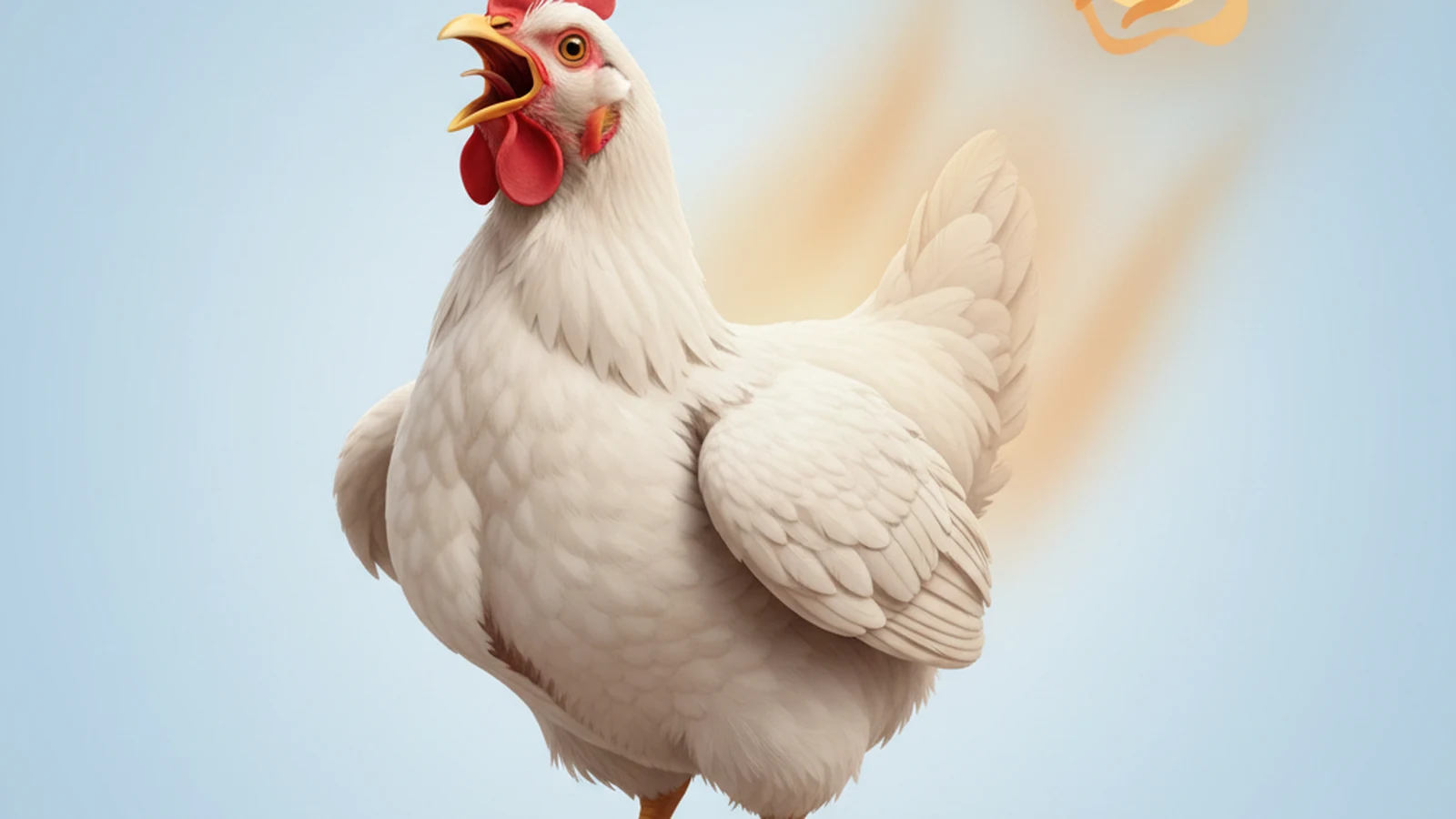
Heat stress occurs when a bird cannot transfer the heat produced in its body to the environment quickly enough. Chickens have no sweat glands and rely on behaviors such as panting, holding their wings away from the body, reducing activity, and increasing water intake to dissipate heat. If temperature, humidity, or ventilation exceed the flock's capacity to adapt, thermal balance is disrupted.
Heat stress is not merely a welfare problem; it can affect feed intake, growth, feed conversion, immune response, gut health, and mortality rate. The severity of the effect depends on the effective temperature, humidity, air speed, age, weight, stocking density, water status, and duration of exposure.
Signs of heat stress in chickens
- Panting and an increased breathing rate
- Holding the wings open and less contact with other birds
- Reduced activity and crowding in areas with airflow
- Increased water intake and reduced feed intake
- Wetter droppings and increased litter moisture
- Reduced growth and worsening feed conversion
- Reduced immune response and greater susceptibility to disease
- Loss of balance, weakness, and sudden mortality in severe cases
How does heat affect the bird's body?
Reduced feed intake
Reduced feed intake is one of the natural ways to lower metabolic heat production; however, in broiler flocks it directly reduces growth and uniformity.
Water and electrolyte imbalance
Severe panting causes greater carbon dioxide loss and shifts the acid-base balance. At the same time, water intake and electrolyte excretion increase.
Oxidative stress and inflammation
Chronic heat can increase the production of reactive oxygen species and put antioxidant defenses under pressure. This condition is associated with cellular damage, inflammation, and organ dysfunction.
Immune and gut health disruption
Studies have shown that heat stress can disrupt immune responses and the integrity of the intestinal barrier. The result may be reduced flock resistance and greater susceptibility to infectious challenges.
Immediate actions during heat stress
- Check the operation of fans, air inlets, cooling pads, and the emergency generator
- Increase the effective air speed appropriate to the bird's age and weight
- Provide cool, clean water with sufficient flow across all lines
- Move stressful activities to cooler hours
- Adjust the feeding schedule and prevent peak feed intake during the hottest hours
- Monitor hot spots in the house and bird density
- Remove mortality promptly and prevent disruption of the airflow path
Prevention before the heat wave
The best time to control heat stress is before the heat wave begins. Servicing the ventilation system, washing the pads, testing the generator, calculating water capacity, checking line pressure, and training staff should all be done in advance.
The use of electrolytes, vitamins, antioxidants, or herbal compounds can be part of a supportive program, but the choice should be based on the flock's conditions and the quality of the evidence. No additive can compensate for a severe ventilation failure or water shortage.
Frequently asked questions
Does only high temperature cause heat stress?
No. High humidity, low air speed, stocking density, bird weight, and metabolic heat production also change the effective temperature.
Why does water intake rise?
The bird pants to dissipate heat, and its need for water to regulate temperature and compensate for losses increases.
Is feeding at midday appropriate?
During a heat period, it is better to adjust the feeding schedule so that a larger portion of intake takes place during the cooler hours.
Does reducing light help control heat?
Adjusting light can reduce activity, but it must be coordinated with the flock's welfare and nutritional program.
Which sign is considered an emergency?
Very severe breathing, widespread lethargy, loss of balance, a sudden drop in water intake, or a rapid rise in mortality requires immediate action.
Conclusion
Controlling heat stress begins with the house infrastructure and water. Effective ventilation, feed planning, monitoring flock behavior, and coordinated nutritional support can reduce losses. In severe heat, a delay in action can lead to a rapid rise in mortality.
Suggested internal links
- Oxidative stress in poultry
- Drinking water quality on the poultry farm
- Reduced feed intake in broiler chicks
- Neurocil product page
- Scientific consultation form
Suggested references
1. Wasti S, et al. Impact of Heat Stress on Poultry Health and Performances. 2020.
2. Siddiqui SH, et al. Meta-analysis of thermal stress effects on poultry immunity and performance. 2022.
3. Hirakawa R, et al. Heat stress causes immune abnormalities in broiler chickens. 2020.
4. Kikusato M. Mechanisms underlying heat-stress effects on intestinal health in chickens. 2023.
Phytogenics are not a substitute for good flock management; they are a complementary tool for it. The best results come when they are used alongside biosecurity, balanced nutrition and a vaccination program.
The global picture at a glance
The European Union has banned growth-promoting antibiotics since 2006, and the global market for phytogenic additives is on a steady growth path — with growing application across both poultry and livestock.
$1.05 → $1.48 billion
Global phytogenics market, 2024–2030
Grand View Research / MarketsandMarkets
Since 2006
EU ban on growth-promoting antibiotics
EU Regulation 1831/2003
Note: This piece is sample general educational content for information only; it is not a substitute for the advice of the flock’s supervising veterinarian. Asadaru supplements are supportive and preventive and are not a substitute for treatment or vaccination. The final article texts are provided and reviewed by the client.