Calf Diarrhea: Causes, Symptoms, and Control Methods
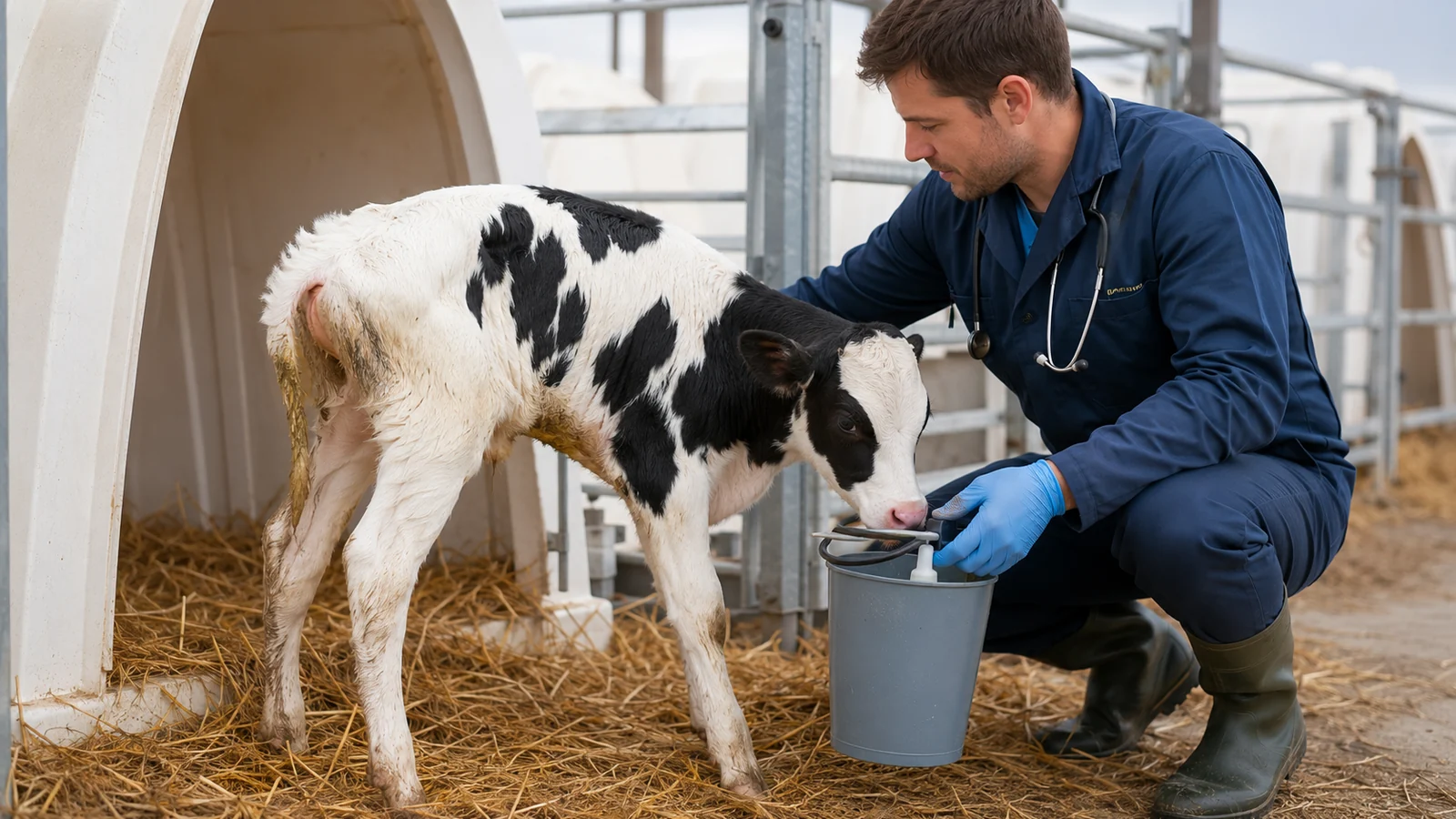
Diarrhea is one of the most common problems in suckling calves, especially during the first weeks of life. It can be caused by infectious agents, insufficient colostrum intake, environmental contamination, or disruptions in the feeding program.
The main danger of diarrhea is the loss of body water and electrolytes. If this condition is not brought under control in time, it can lead to weakness, reduced appetite, poor growth, and, in severe cases, recumbency and death.
Symptoms of Diarrhea in Calves
- Loose or watery feces
- Soiling around the tail
- Reduced milk intake
- Lethargy and weakness
- Sunken eyes
- Dry mouth
- Reduced skin elasticity
- Inability to stand in severe cases
The severity of diarrhea cannot be determined by fecal color alone. The ability to stand, the suckling reflex, and the degree of dehydration are more important criteria for assessing the calf's condition.
The Main Causes of Calf Diarrhea
Certain infectious agents such as Escherichia coli, Rotavirus, Coronavirus, Cryptosporidium, and Salmonella can cause diarrhea.
Alongside infectious agents, the following factors are also important:
- Late or insufficient colostrum intake
- Poor colostrum quality
- Contamination of the housing and feeding equipment
- A sudden change in the type of milk or milk replacer
- Improper concentration or temperature of the milk
- High stocking density and wet bedding
First Steps When Diarrhea Occurs
- Separate the sick calf from healthy animals.
- Check the level of alertness and the ability to stand.
- Assess the signs of dehydration.
- Replace the lost fluids and electrolytes under veterinary guidance.
- Keep the calf in a dry, clean environment.
- Keep the milk containers and equipment of the sick animal separate.
A calf that is unable to stand or suckle may require intravenous fluid therapy.
Should the Calf's Milk Be Stopped?
In most cases, complete and prolonged withdrawal of milk is not recommended, because the calf needs nutrients to maintain its energy. The milk-feeding and electrolyte-solution program should be adjusted based on the severity of the illness and veterinary advice.
Preventing Calf Diarrhea
- Rapid and sufficient intake of high-quality colostrum
- Cleanliness of the calving area and housing
- Washing of the feeding equipment
- Keeping the temperature and concentration of the milk constant
- Prompt isolation of the sick calf
- Preventing overcrowding and high humidity
- Investigating the cause if the number of cases increases
Frequently Asked Questions
Does the color of the feces determine the cause of the diarrhea?
No. To identify the cause, the calf's age, general symptoms, herd conditions, and, if necessary, laboratory results should be evaluated.
Do all cases of diarrhea require antibiotics?
No. Some cases have a viral, parasitic, or management-related origin. Antibiotics should only be used under veterinary advice.
When is the calf's condition an emergency?
Inability to stand, loss of the suckling reflex, severely sunken eyes, blood in the feces, and reduced alertness require immediate veterinary intervention.
Summary
Controlling calf diarrhea requires early diagnosis, replacement of fluids and electrolytes, maintaining proper nutrition, and correcting hygiene conditions. Proper colostrum management and prompt isolation of the sick animal can reduce the rate of involvement and losses.
Related Topics
- What causes calf diarrhea?
- Dehydration caused by diarrhea in calves
- The role of colostrum in calf health
- Scientific consultation form
References
- Cho YI, Yoon KJ. An Overview of Calf Diarrhea.
- Smith GW. Treatment of Calf Diarrhea.
- MSD Veterinary Manual. Diarrhea in Neonatal Ruminants.
Note: This material is for educational purposes and is not a substitute for veterinary examination and prescription. Asadaru products are part of a supportive livestock management program and are not a substitute for specific treatment or management measures.
Phytogenics are not a substitute for good flock management; they are a complementary tool for it. The best results come when they are used alongside biosecurity, balanced nutrition and a vaccination program.
The global picture at a glance
The European Union has banned growth-promoting antibiotics since 2006, and the global market for phytogenic additives is on a steady growth path — with growing application across both poultry and livestock.
$1.05 → $1.48 billion
Global phytogenics market, 2024–2030
Grand View Research / MarketsandMarkets
Since 2006
EU ban on growth-promoting antibiotics
EU Regulation 1831/2003
Note: This piece is sample general educational content for information only; it is not a substitute for the advice of the flock’s supervising veterinarian. Asadaru supplements are supportive and preventive and are not a substitute for treatment or vaccination. The final article texts are provided and reviewed by the client.