Wet Litter in Poultry Farming: Causes, Consequences, and Control
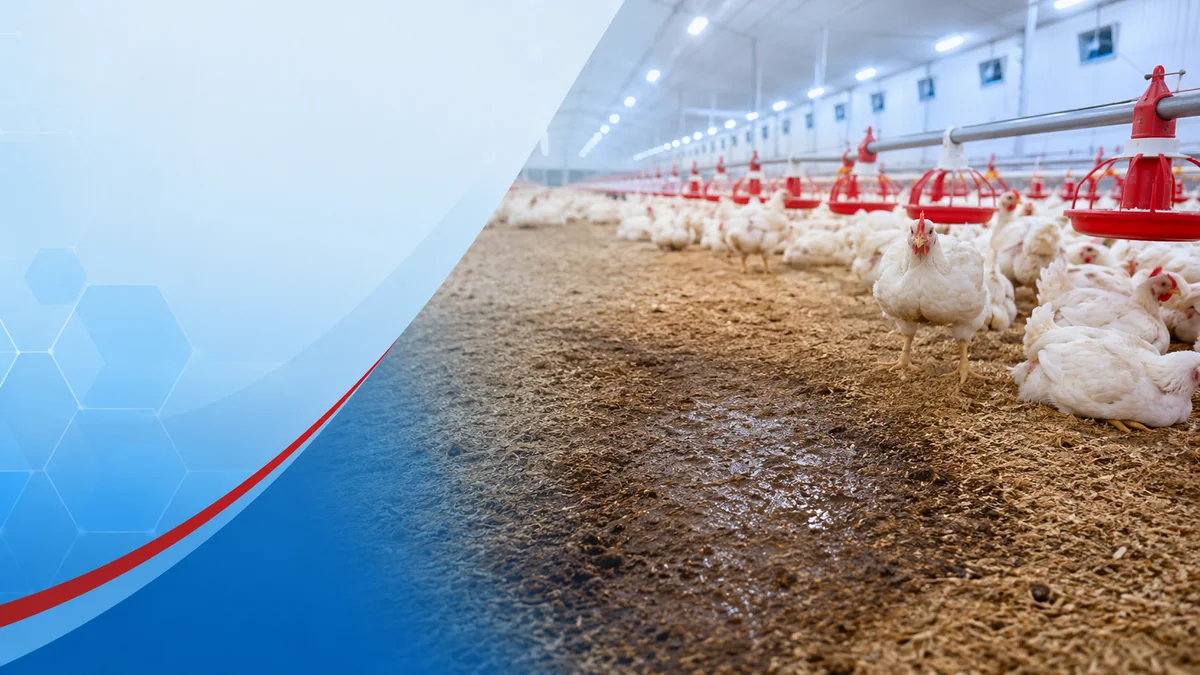
Wet litter is one of the common and costly problems in poultry farming that can turn from a seemingly simple management issue into a serious challenge for flock health. Besides reducing environmental quality, high litter moisture increases ammonia, damages foot pads and breasts, lowers bird welfare, and aggravates digestive and respiratory problems.
The cause of wet litter is usually not single-factored. Water quality, drinker leakage, inadequate ventilation, stocking density, diet, digestive diseases, and even the behavioral pattern of the flock can all play a role in creating it. For this reason, successful control requires simultaneous attention to nutrition, equipment, the environment, and gut health.
Why does wet litter matter?
Rising litter moisture creates a favorable environment for ammonia production, microbial growth, and deterioration of air quality. These same changes can affect the respiratory tract, foot skin, and flock performance.
In chronic cases, reduced uniformity, higher feed conversion ratio, and lower carcass quality are also observed.
The most important causes of wet litter
- Leakage or improper adjustment of drinkers
- Improper pressure or flow rate of the water lines
- Inadequate ventilation and poor removal of moisture from the house
- Diarrhea, coccidiosis, intestinal problems, and reduced digestion
- Dietary imbalance, high salt, or certain raw materials with high water-binding capacity
- High stocking density and poor flock distribution
Consequences of wet litter
- Increased ammonia and damage to the respiratory mucosa
- Foot pad dermatitis and breast burns
- Higher likelihood of pathogen growth
- Aggravation of coccidiosis and digestive problems
- Reduced welfare and productive performance
Control strategies
- Daily inspection of drinkers and repair of leaks
- Adjusting water pressure and line height
- Increasing ventilation to remove excess moisture
- Immediate correction of caked and very wet spots
- Reviewing the diet, feed quality, and digestive diseases
- Monitoring gut health and using appropriate supportive programs
FAQ
Is wet litter always a sign of disease? No. Equipment and ventilation problems can also be the main cause.
Is the problem solved just by adding fresh shavings? No. New shavings without correcting the underlying cause have no lasting effect.
What is the relationship between wet litter and coccidiosis? High moisture facilitates the oocyst cycle and raises the contamination pressure.
Call to action
For advice on gut health, the coccidiosis control program, and related supportive strategies, see the Parasil page and the Asa Daru scientific consultation form.
Suggested internal links
- Gut health in broiler chickens
- Coccidiosis in poultry
- Parasil product page
- Scientific consultation form
Phytogenics are not a substitute for good flock management; they are a complementary tool for it. The best results come when they are used alongside biosecurity, balanced nutrition and a vaccination program.
The global picture at a glance
The European Union has banned growth-promoting antibiotics since 2006, and the global market for phytogenic additives is on a steady growth path — with growing application across both poultry and livestock.
$1.05 → $1.48 billion
Global phytogenics market, 2024–2030
Grand View Research / MarketsandMarkets
Since 2006
EU ban on growth-promoting antibiotics
EU Regulation 1831/2003
Note: This piece is sample general educational content for information only; it is not a substitute for the advice of the flock’s supervising veterinarian. Asadaru supplements are supportive and preventive and are not a substitute for treatment or vaccination. The final article texts are provided and reviewed by the client.