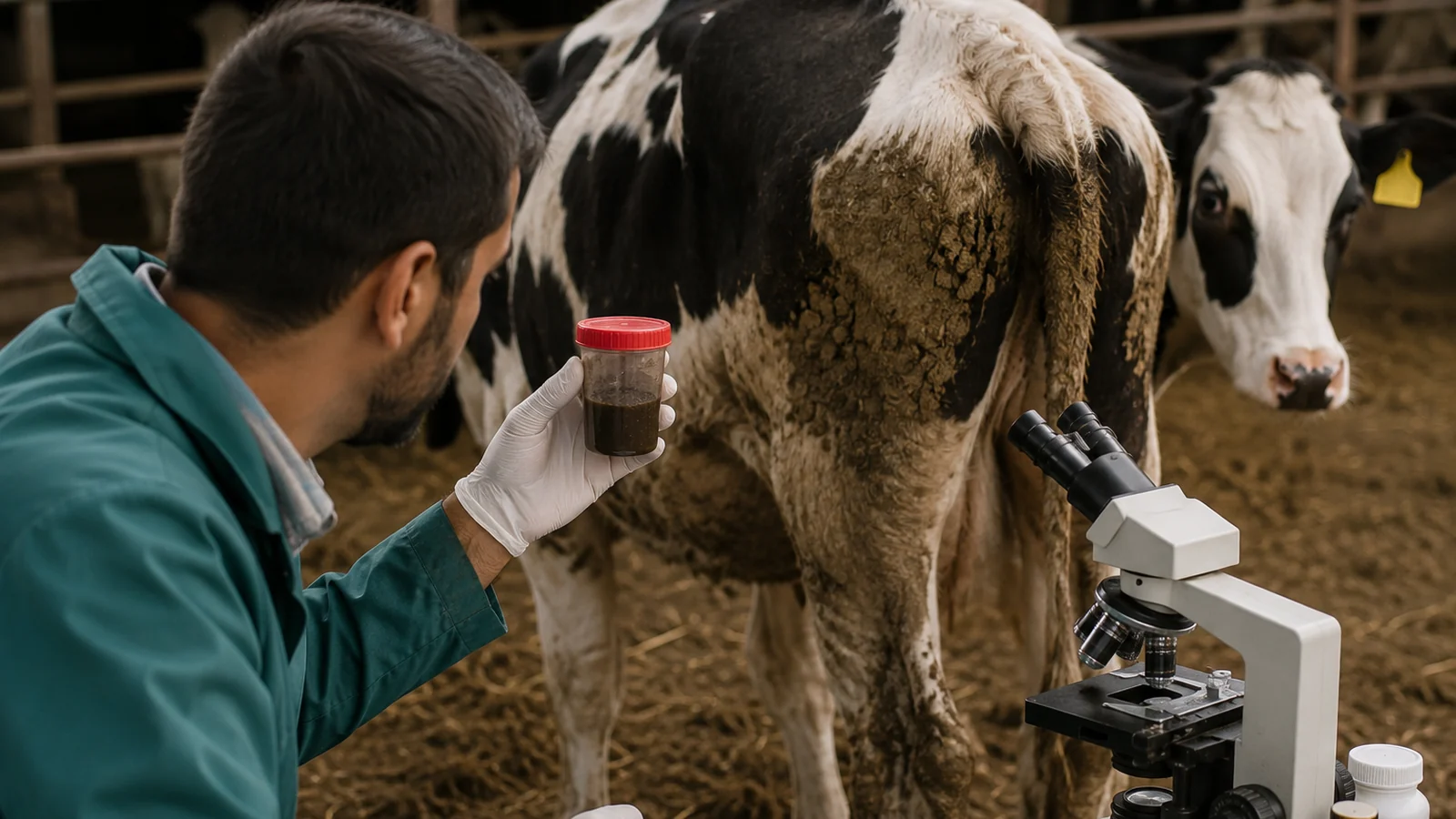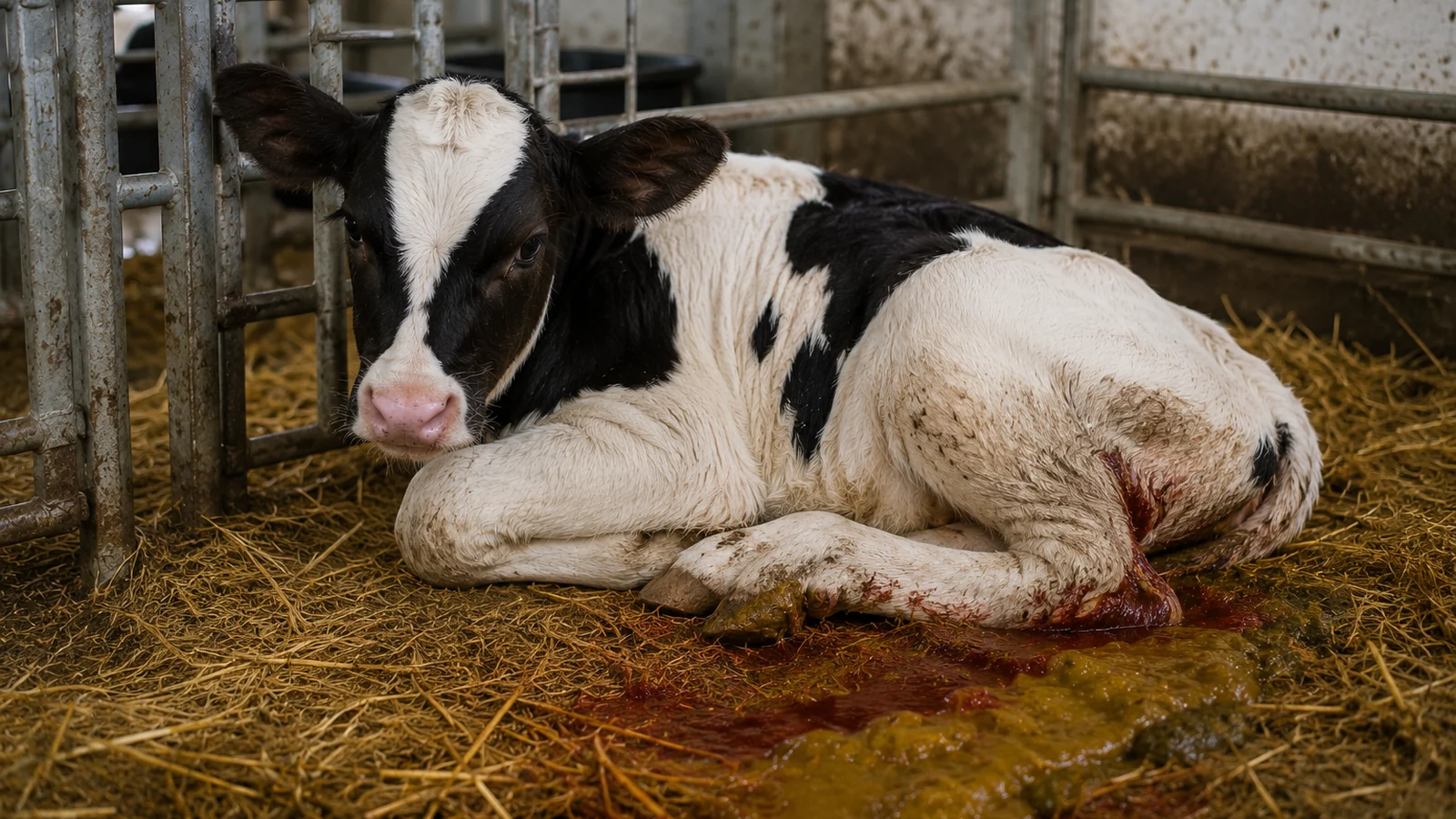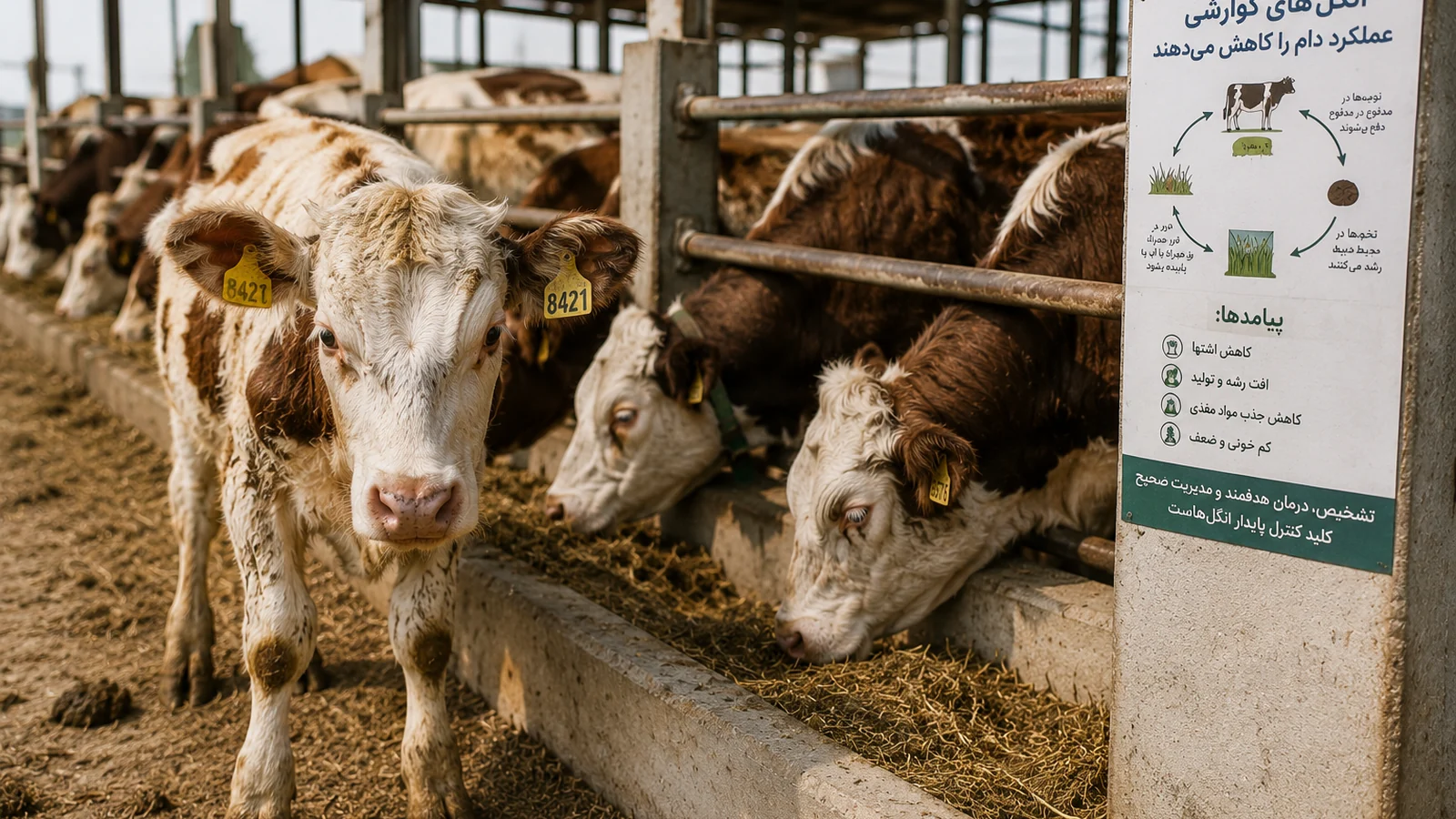
Foot-and-Mouth Disease in Livestock
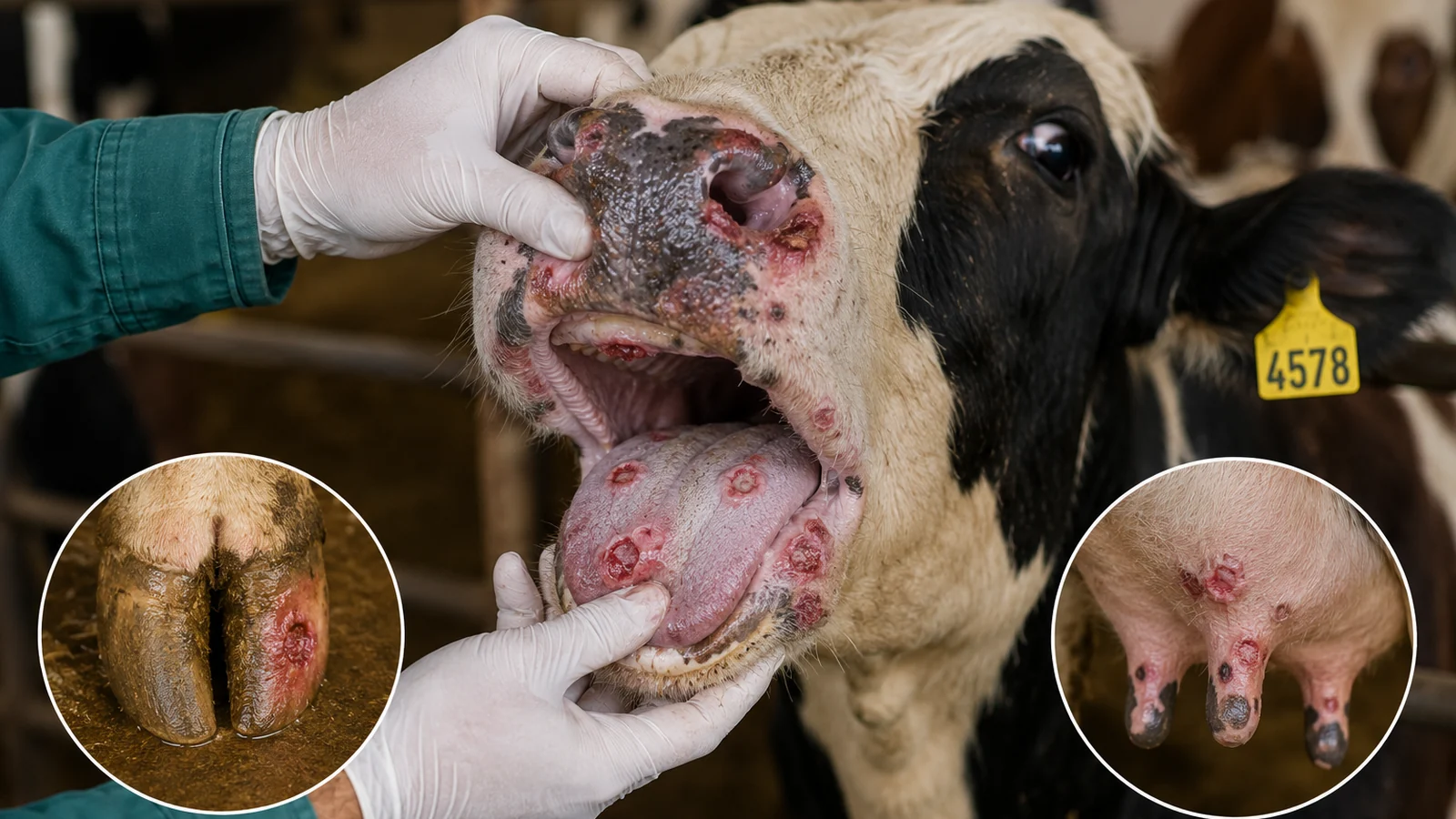
Foot-and-mouth disease is a highly contagious viral disease in cloven-hoofed livestock such as cattle, sheep, goats, and pigs. It is characterized by fever and the formation of blisters or sores in the mouth, tongue, udder, and the space between the hooves, and it can cause severe production losses.
Mortality in adult animals is usually lower, but reduced feed intake, a sharp drop in milk production, lameness, and prolonged weakness can cause significant economic damage.
Symptoms of Foot-and-Mouth Disease
- Fever and lethargy
- Reduced or complete loss of appetite
- Excessive salivation
- Blisters and sores in the mouth and tongue
- Difficulty chewing and swallowing
- Lameness and reluctance to move
- Sores in the area between the hooves
- Lesions on the udder and teats
- Sudden drop in milk production
- Sudden death in very young animals in some cases
The presence of these symptoms alone is not considered a definitive diagnosis, and other diseases may also cause similar lesions.
How Is the Disease Transmitted?
The virus can spread through direct contact with infected animals, secretions, tools, clothing, vehicles, feed, and contaminated equipment. The movement of animals is one of the major factors in transmitting the disease between farms.
Immediate Actions in Suspected Cases
- Immediately isolate the suspected animal from the other animals.
- Prevent the entry and exit of animals.
- Restrict the movement of milk, feed, equipment, and manure.
- Stop the entry of unnecessary people and vehicles.
- Disinfect footwear, clothing, and equipment.
- Report the suspected case to the veterinarian and the county veterinary network as soon as possible.
- Avoid self-directed treatment or bursting the blisters.
The national veterinary organization also emphasizes prompt reporting, timely vaccination, and observance of movement restrictions to control the disease.
Treatment and Supportive Care
There is no specific drug to eliminate the foot-and-mouth disease virus, and the main measures focus on controlling the spread of the disease, supportive care, providing usable water and feed, and managing the lesions.
Oral and skin sores can limit the animal's feed intake and movement and create conditions for secondary infection. Any local care must be carried out under the veterinarian's guidance and alongside the official disease-control program.
Preventing Foot-and-Mouth Disease
- Vaccination according to the regional veterinary program
- Quarantine and examination of newly arrived animals
- Purchasing animals from reputable centers
- Controlling the entry of vehicles and people
- Disinfecting equipment and the loading area
- Preventing contact with unknown animals
- Recording the movement of animals
- Prompt reporting of suspected cases
Frequently Asked Questions
Is foot-and-mouth disease transmissible to humans?
Foot-and-mouth disease is not considered a significant risk to public human health, and its transmission to humans is very rare.
Does a vaccinated animal never get sick?
No. The level of protection depends on the type of vaccine, the timing of vaccination, the virus strain, and the animal's immune status; nevertheless, vaccination is an important part of the control program.
Can a suspected animal be moved?
No. Moving a suspected animal can transmit the disease to other units and must be stopped until the veterinary network provides its assessment.
Conclusion
Foot-and-mouth disease is a highly contagious disease with high economic damage. Isolating the suspected animal, halting movement, and immediately notifying the veterinary network are more important than any other treatment measure.
Related Topics
- Skin wounds in livestock
- Common skin diseases in cattle
- Scientific consultation form
Sources
- World Organisation for Animal Health. Foot and Mouth Disease.
- National veterinary organization. Recommendations for controlling foot-and-mouth disease.
- WOAH Terrestrial Animal Health Code. Infection with FMD Virus.
Note: If you observe suspicious symptoms, avoid moving the animal and immediately report the matter to the veterinarian and the county veterinary network.
Phytogenics are not a substitute for good flock management; they are a complementary tool for it. The best results come when they are used alongside biosecurity, balanced nutrition and a vaccination program.
The global picture at a glance
The European Union has banned growth-promoting antibiotics since 2006, and the global market for phytogenic additives is on a steady growth path — with growing application across both poultry and livestock.
$1.05 → $1.48 billion
Global phytogenics market, 2024–2030
Grand View Research / MarketsandMarkets
Since 2006
EU ban on growth-promoting antibiotics
EU Regulation 1831/2003
Note: This piece is sample general educational content for information only; it is not a substitute for the advice of the flock’s supervising veterinarian. Asadaru supplements are supportive and preventive and are not a substitute for treatment or vaccination. The final article texts are provided and reviewed by the client.