Factors Affecting Calf Growth
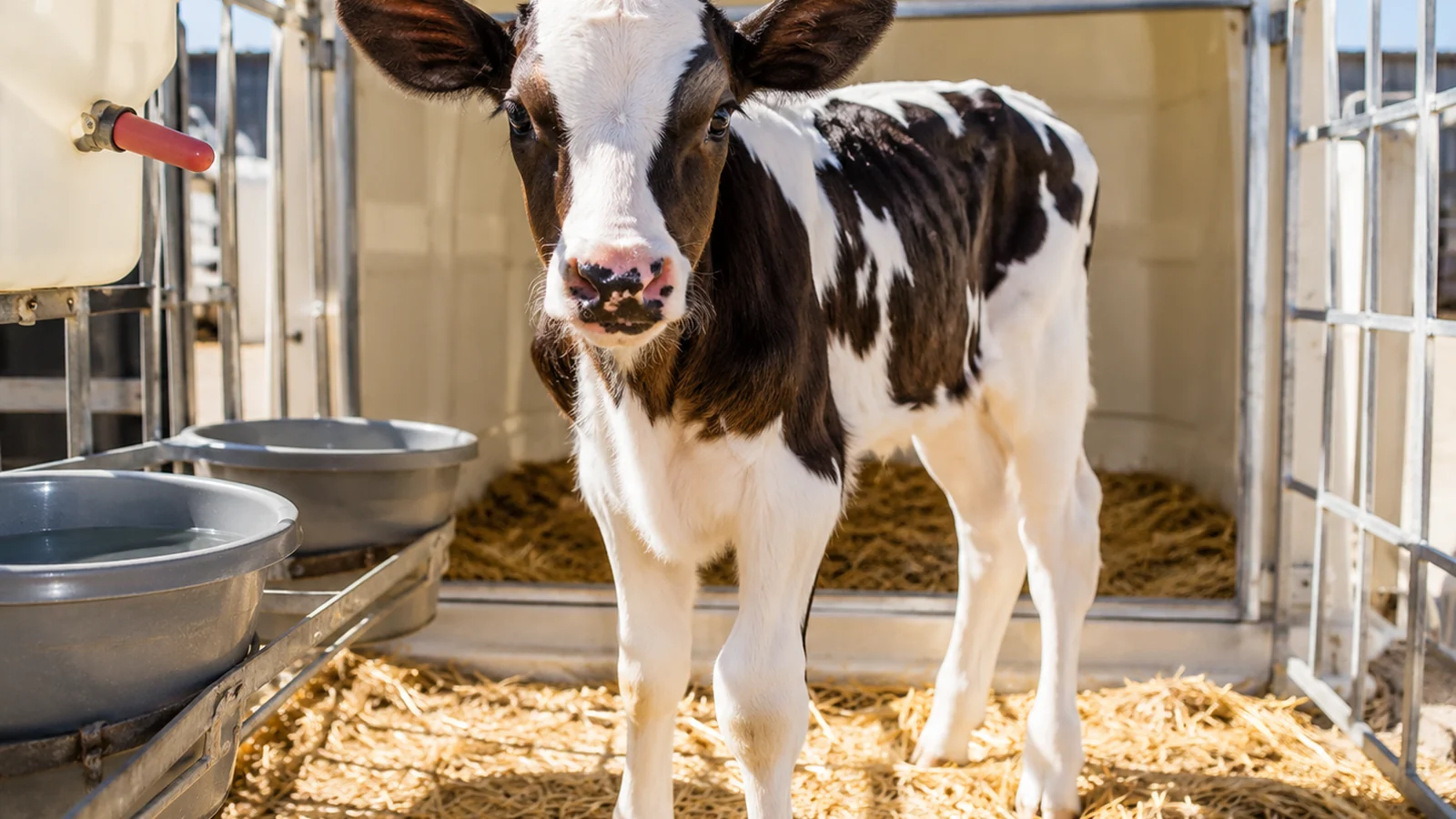
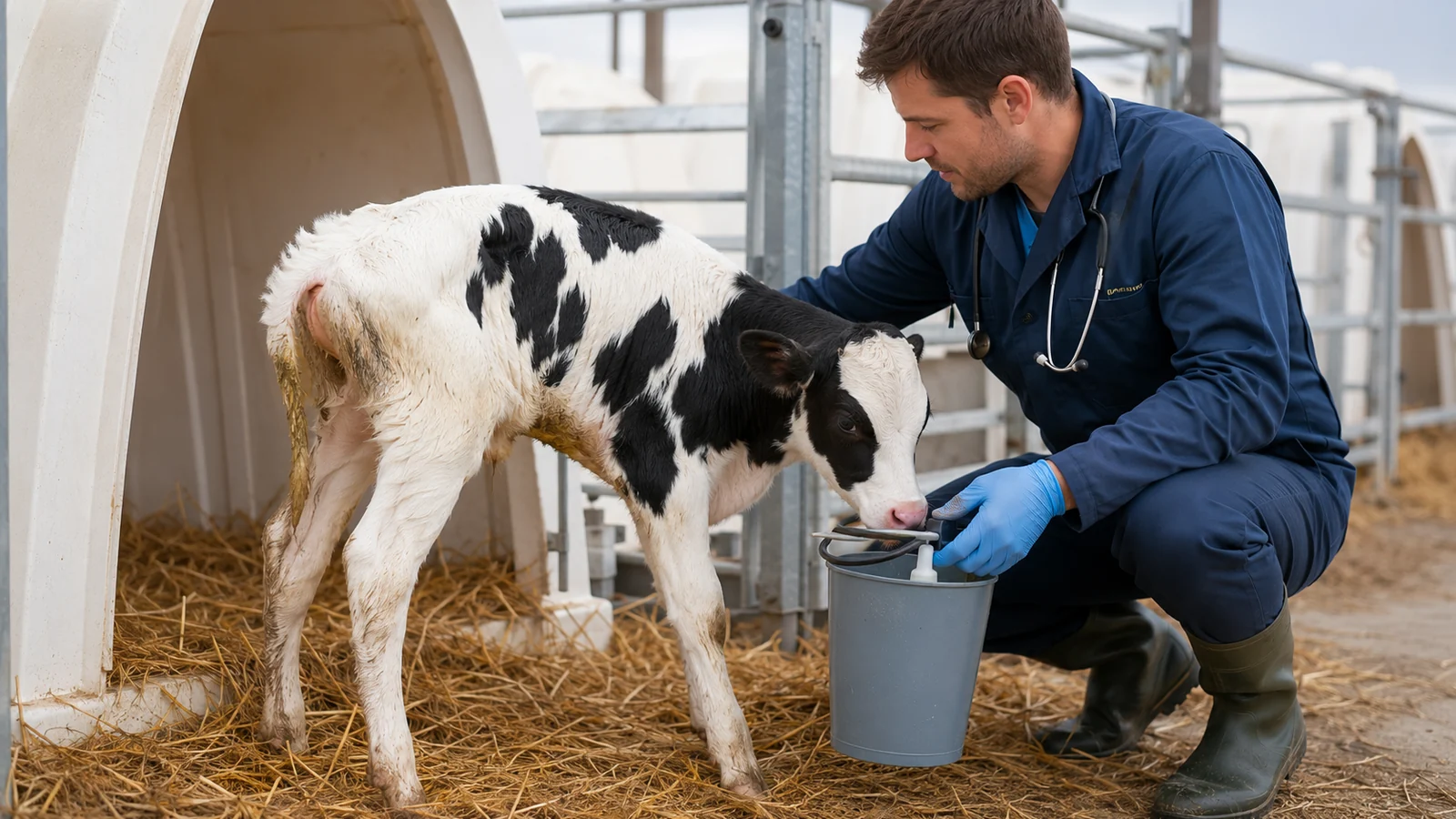
Proper calf growth does not depend solely on the amount of milk consumed. Colostrum management, feeding quality, digestive health, water, housing, and disease control all affect weight gain and the animal's future performance.
Disruptions during the first weeks of life may reduce growth, increase rearing costs, and delay the animal in reaching an appropriate weight.
Colostrum Management
Rapid and adequate intake of high-quality colostrum is the first foundation of a calf's growth and health. In addition to antibodies, colostrum contains energy, nutrients, and compounds that support the development of the intestine and the immune system.
Feeding Milk or Milk Replacer
An insufficient amount of milk can limit energy intake and growth. On the other hand, the volume, concentration, temperature, and timing of feeding should be consistent and appropriate for the calf's age and condition.
A sudden change of milk replacer or an error in its preparation can lead to digestive upset and reduced feed intake.
Water and Starter Feed
Early access to clean water and high-quality starter feed is important for rumen development. Milk cannot take the place of free water, and water restriction may reduce starter feed intake.
Feed should be kept fresh, palatable, and free from contamination by milk, water, and manure.
Digestive System Health
Diarrhea, bloat, and impaired digestion reduce nutrient absorption and cause a drop in growth. Even after apparent recovery from illness, the calf may need more time to make up for the lost weight.
Prebiotics and digestive support products can be part of a feeding program, but they are not a substitute for proper colostrum, sufficient milk, and housing hygiene.
Housing Conditions
- The bedding should be dry and clean.
- Ventilation should be provided without creating direct drafts.
- Excessive stocking density should be reduced.
- Sick calves should be separated from healthy animals.
- Heat and cold stress should be controlled.
- Feeding equipment should be washed after each use.
Recurrent illness, environmental stress, and inadequate transfer of immunity can limit calf growth up to the time of weaning.
How to Monitor Calf Growth?
- Record the birth weight.
- Measure weight or heart girth regularly.
- Check milk and starter feed intake.
- Record cases of diarrhea and respiratory illness.
- Compare age and weaning weight.
- Identify weaker calves early.
Growth should be assessed as a trend. A single weighing provides limited information, but regular recording can reveal a slowdown in growth before the problem becomes severe.
Frequently Asked Questions
Why is the calf not growing despite consuming milk?
Insufficient milk quality or quantity, hidden illness, inadequate colostrum intake, parasites, stress, and impaired absorption can all be causes.
Does diarrhea affect future growth?
Diarrhea can reduce feed intake and nutrient absorption, and if it is recurrent or severe, it can impair the calf's growth.
When should a calf be weaned?
Weaning should not be done based on age alone. Consistent starter feed intake, health status, and the calf's growth should also be considered in the decision.
Does a supplement alone increase growth?
No. A supplement is beneficial when energy, protein, water, hygiene, and rearing management are in good condition.
Conclusion
Proper calf growth is the result of an integrated program that includes high-quality colostrum, adequate nutrition, clean water, starter feed, suitable housing, and disease control. Regular monitoring of weight and recording of illnesses helps with the early identification of factors that limit growth.
Related Topics
- The role of colostrum in calf health
- Calf gut health
- Calf diarrhea
- The role of prebiotics in livestock gut health
- Scientific consultation form
References
- Kertz AF, et al. A 100-Year Review: Calf Nutrition and Management.
- Lorenz I, et al. Calf Health from Birth to Weaning.
- Hammon HM, et al. Importance of Colostrum Supply and Milk Feeding Intensity.
- Abdelfattah E, et al. Passive Immune Transfer in Neonatal Calves.
Note: This material is educational in nature and is not a substitute for setting up a feeding program, examination, or the advice of a veterinarian and nutrition specialist.
Phytogenics are not a substitute for good flock management; they are a complementary tool for it. The best results come when they are used alongside biosecurity, balanced nutrition and a vaccination program.
The global picture at a glance
The European Union has banned growth-promoting antibiotics since 2006, and the global market for phytogenic additives is on a steady growth path — with growing application across both poultry and livestock.
$1.05 → $1.48 billion
Global phytogenics market, 2024–2030
Grand View Research / MarketsandMarkets
Since 2006
EU ban on growth-promoting antibiotics
EU Regulation 1831/2003
Note: This piece is sample general educational content for information only; it is not a substitute for the advice of the flock’s supervising veterinarian. Asadaru supplements are supportive and preventive and are not a substitute for treatment or vaccination. The final article texts are provided and reviewed by the client.