The Role of Colostrum in Calf Health and Immunity
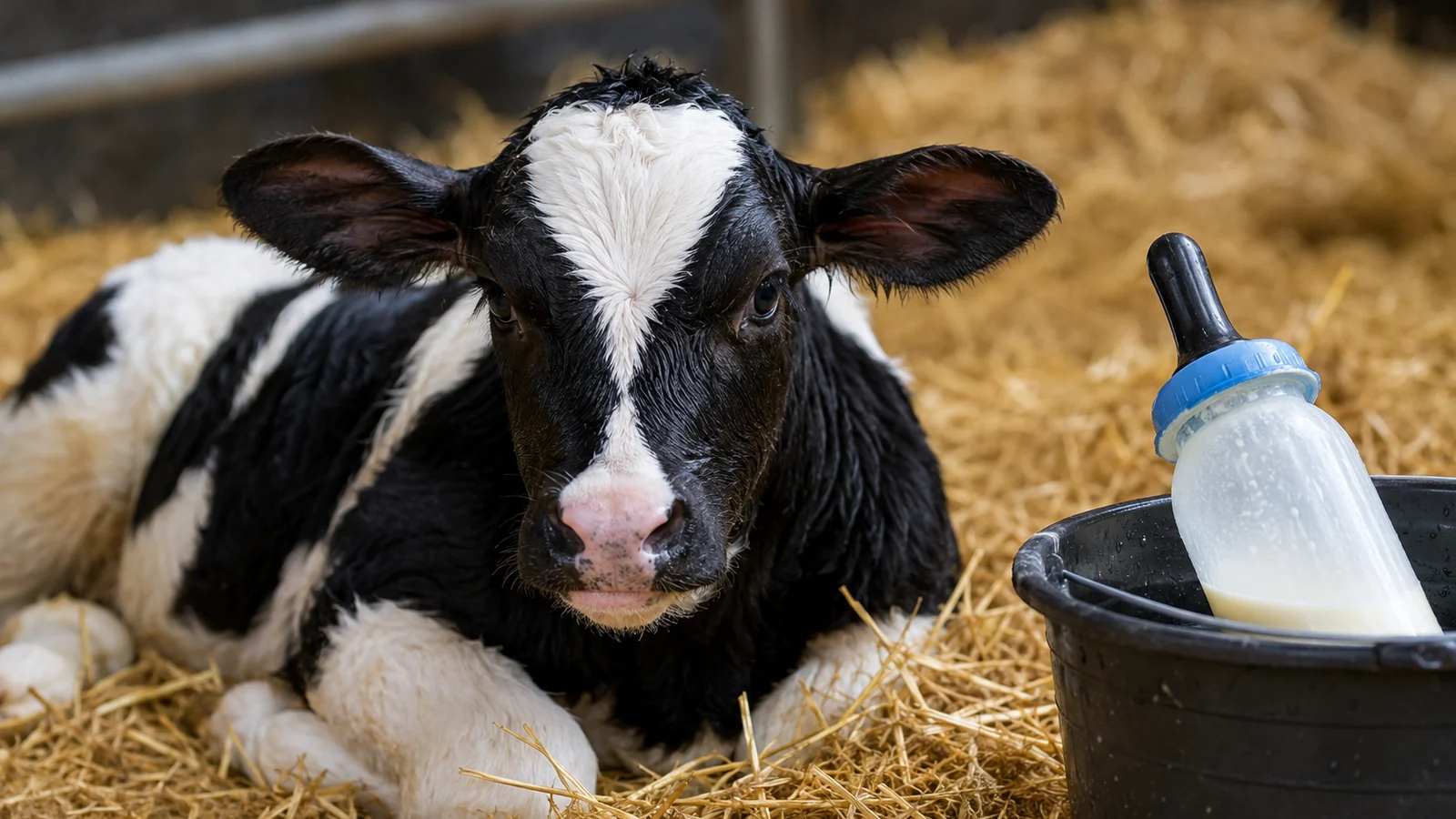
Colostrum is the first source of immunity, energy, and nutrients for a newborn calf. The calf depends on colostrum to receive maternal antibodies; therefore, the quality, quantity, feeding time, and microbial contamination of colostrum can all affect health during the first weeks of life.
Poor colostrum management increases the likelihood of inadequate transfer of immunity. Such calves may be more susceptible to digestive, respiratory, and other infections and may require more care and treatment.
Four Key Principles of Colostrum Management
Adequate Quality
Colostrum must contain a sufficient amount of antibodies. A thick appearance or a yellow color alone does not indicate its quality, and a Brix refractometer can be used for a more accurate assessment.
Prompt Feeding
The calf's intestinal ability to absorb antibodies gradually declines after birth. For this reason, the first feeding of colostrum should be given as soon as possible, preferably within the first hours of life.
Sufficient Quantity
Even high-quality colostrum cannot guarantee the desired transfer of immunity if fed in insufficient amounts. The quantity of colostrum should be determined according to birth weight, colostrum quality, and the farm's program.
Maintaining Hygiene
Contamination of the udder, collection containers, bottle, nipple, or storage tank can reduce the hygienic quality of colostrum. Colostrum should be collected with clean equipment and stored under proper conditions.
What Factors Reduce Colostrum Quality?
- Delay in milking after calving
- Contamination of the udder or equipment
- Improper storage of colostrum
- Mixing poor-quality colostrum with high-quality colostrum
- Feeding colostrum from a sick animal without evaluation
- Repeated warming and cooling of colostrum
- Delay in feeding the first meal
The Link Between Colostrum and Calf Diarrhea
Adequate colostrum intake alone does not prevent every case of diarrhea, but it is an important part of the program to reduce a calf's susceptibility to infectious agents. Effective diarrhea prevention requires the simultaneous management of colostrum, calving-area hygiene, equipment cleanliness, and a proper feeding program.
Recurrent diarrhea, respiratory disease, or mortality in young calves may be a sign to review the colostrum program at the herd level.
How Do We Assess the Transfer of Immunity?
To evaluate the success of a colostrum program, total serum protein or IgG-related indicators can be measured during the first days of life. Group assessment of calves provides more accurate information about the performance of the farm's colostrum program.
Frequently Asked Questions
Is suckling directly from the dam sufficient?
It is not always possible to be certain of the amount and timing of colostrum intake. Recording the time of birth and monitoring the amount consumed allows for more precise management.
Does the color of colostrum indicate its quality?
No. Color and apparent thickness are not reliable measures of antibody content.
Can frozen colostrum be used?
Yes, provided that it is stored correctly, thawed using a proper method, and not repeatedly subjected to freezing and thawing.
Can colostrum prevent all diseases?
No. Proper colostrum reduces the risk of disease, but it is not a substitute for hygiene, correct nutrition, vaccination, and proper housing management.
Summary
Colostrum management is one of the most important actions in the first hours of a calf's life. Adequate quality, prompt feeding, sufficient quantity, and maintaining hygiene are the four main pillars of successful immunity transfer.
A weakness in any of these steps can increase a calf's susceptibility to disease, including digestive problems and diarrhea.
Related Topics
- Calf gut health
- Calf diarrhea; causes and control methods
- Dehydration in calves
- Factors affecting calf growth
- Scientific consultation form
References
- Godden SM. Colostrum Management for Dairy Calves.
- Lombard J, et al. Consensus Recommendations on Calf Passive Immunity.
- Meganck V, et al. Prevention and Therapy of Neonatal Calf Diarrhea.
- Buczinski S, et al. Assessment of Colostrum Quality Using Brix Refractometry.
Note: This material is for educational purposes and is not a substitute for a dedicated program from a veterinarian or calf-rearing specialist.
Phytogenics are not a substitute for good flock management; they are a complementary tool for it. The best results come when they are used alongside biosecurity, balanced nutrition and a vaccination program.
The global picture at a glance
The European Union has banned growth-promoting antibiotics since 2006, and the global market for phytogenic additives is on a steady growth path — with growing application across both poultry and livestock.
$1.05 → $1.48 billion
Global phytogenics market, 2024–2030
Grand View Research / MarketsandMarkets
Since 2006
EU ban on growth-promoting antibiotics
EU Regulation 1831/2003
Note: This piece is sample general educational content for information only; it is not a substitute for the advice of the flock’s supervising veterinarian. Asadaru supplements are supportive and preventive and are not a substitute for treatment or vaccination. The final article texts are provided and reviewed by the client.