Digestive Health in Cattle: The Rumen's Role in Appetite and Production
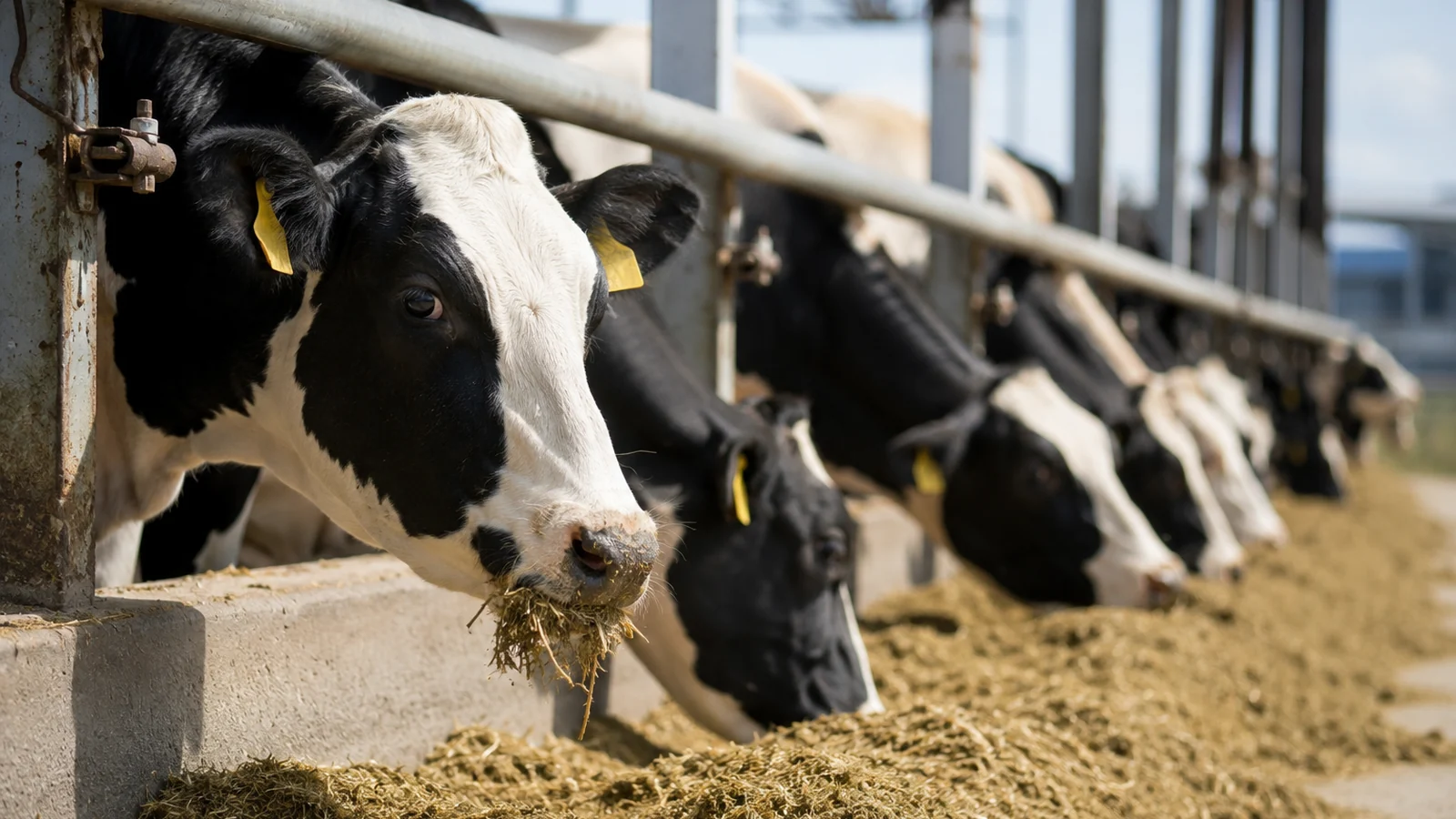
Digestive health in cattle depends on the proper functioning of the rumen, the digestion of feed and the absorption of nutrients. A disruption in these processes can affect feed intake, rumination, milk production and the animal's general condition. The composition of the diet and the microbial population of the rumen also play an important role in feed fermentation and animal performance.
Signs of Digestive Disorders in Cattle
- Reduced appetite or feed intake
- Reduced rumination time
- Change in the consistency or odour of the faeces
- Bloat and abdominal distension
- Reduced milk fat
- Drop in milk production
- Lameness or hoof sensitivity in some metabolic disorders
- Weight loss or fluctuating body condition
A reduction in rumination and a change in feeding behaviour sometimes occur before clear signs of disease appear; therefore, monitoring these indicators can help detect problems early.
What Factors Disrupt Rumen Health?
- A rapid increase of concentrate in the diet
- A lack of effective fibre
- A sudden change of feed
- Irregular feeding times
- Sorting of dietary components by the animal
- Mould or low feed quality
- A shortage of clean water
- Heat stress
- Diseases and a prolonged reduction in feed intake
A high intake of rapidly fermentable carbohydrates together with insufficient fibre can lower the rumen pH and increase the likelihood of subacute acidosis. This condition may be accompanied by reduced feed intake, impaired fermentation and a decline in performance.
The Role of Rumination in Digestive Health
Rumination causes further breakdown of the feed and increases saliva secretion. Saliva helps to buffer the acidity of the rumen; for this reason, a reduction in rumination can be a sign of a dietary disorder, disease or reduced animal comfort.
Comparing each animal's rumination time with its own normal trend usually provides more useful information than comparing a single fixed figure across all cows.
How Can We Support Digestive Health?
- Make dietary changes gradually.
- Provide sufficient effective fibre in the diet.
- Check the quality and uniformity of the mixed feed.
- Ensure that the animals have permanent access to clean water.
- Monitor rumination time, appetite and faecal consistency.
- Do not feed mouldy or heated feed.
- Monitor the animals more closely during the transition period.
- Investigate the cause of reduced feed intake before using appetite-stimulating products.
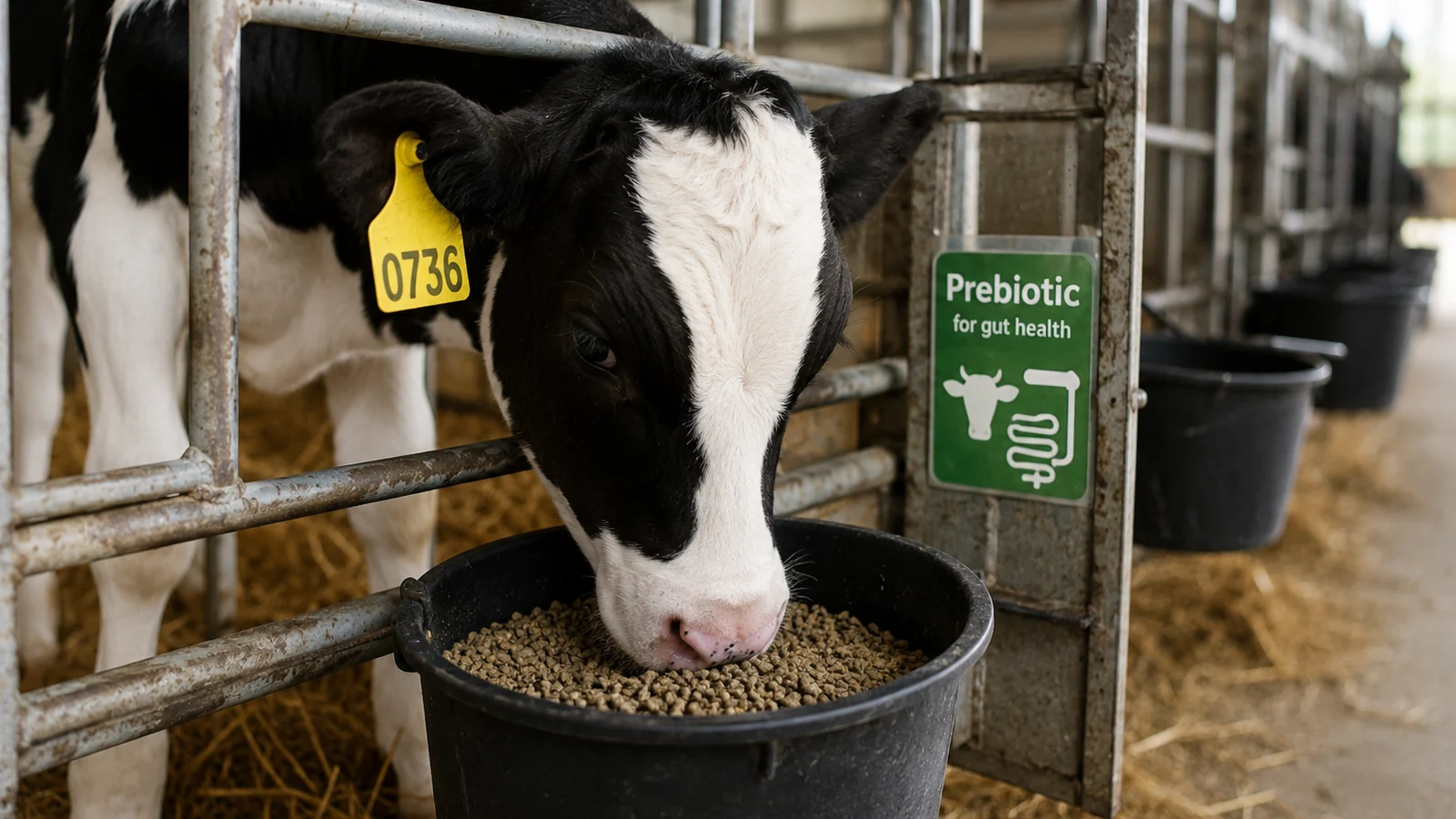
Prebiotic products or digestive support compounds can be part of a nutritional programme, but they are not a substitute for a balanced diet, adequate fibre and correct feed management.
The Link Between Digestive Health and Diarrhoea
Loose faeces or diarrhoea does not always mean that an infection is present. A sudden change of diet, unbalanced fermentation, the consumption of unsuitable feed and a rapid passage of material through the digestive tract can also change faecal consistency.
If diarrhoea persists, or if there is reduced appetite, fever or the involvement of several animals, the nutritional, infectious and management factors should be examined simultaneously.
Frequently Asked Questions
Are loose faeces always a sign of an infectious disease?
No. The type of diet, the speed of feed passage, nutritional changes and impaired rumen fermentation can also change faecal consistency.
What does reduced rumination mean?
Reduced rumination may be related to a decrease in feed intake, a dietary disorder, stress or disease, and it should be assessed alongside other signs.
Is too much concentrate harmful to the rumen?
A rapid increase or an unbalanced intake of concentrate, especially together with a lack of effective fibre, can increase the risk of rumen acidosis.
Are digestive additives sufficient on their own?
No. These compounds should be used alongside a balanced diet, adequate water and correct feed management.
Conclusion
Digestive health in cattle begins with correct diet management, effective fibre, clean water and the monitoring of appetite and rumination. Changes in the faeces, a drop in feed intake or reduced rumination should be regarded as a signal to examine the condition of the animal and the diet more closely.
Related Topics
- The role of prebiotics in animal gut health
- Reduced appetite in cattle
- Gastrointestinal parasites and reduced animal performance
- Heat stress in cattle
- Scientific consultation form
References
- Schirmann K, et al. Rumination and Feeding Behavior in Dairy Cows.
- Llonch P, et al. Association Between Feeding Behavior, Health and Milk Production.
- Zebeli Q, et al. Role of Physically Effective Fiber in Rumen Health.
- Hartinger T, et al. Factors and Consequences of Subacute Ruminal Acidosis.
Note: This material is educational and is not a substitute for diet formulation, examination and diagnosis by a veterinarian or an animal nutrition specialist.
Phytogenics are not a substitute for good flock management; they are a complementary tool for it. The best results come when they are used alongside biosecurity, balanced nutrition and a vaccination program.
The global picture at a glance
The European Union has banned growth-promoting antibiotics since 2006, and the global market for phytogenic additives is on a steady growth path — with growing application across both poultry and livestock.
$1.05 → $1.48 billion
Global phytogenics market, 2024–2030
Grand View Research / MarketsandMarkets
Since 2006
EU ban on growth-promoting antibiotics
EU Regulation 1831/2003
Note: This piece is sample general educational content for information only; it is not a substitute for the advice of the flock’s supervising veterinarian. Asadaru supplements are supportive and preventive and are not a substitute for treatment or vaccination. The final article texts are provided and reviewed by the client.