Newcastle Disease in Poultry: From Diagnosis to Prevention and Control
Definition
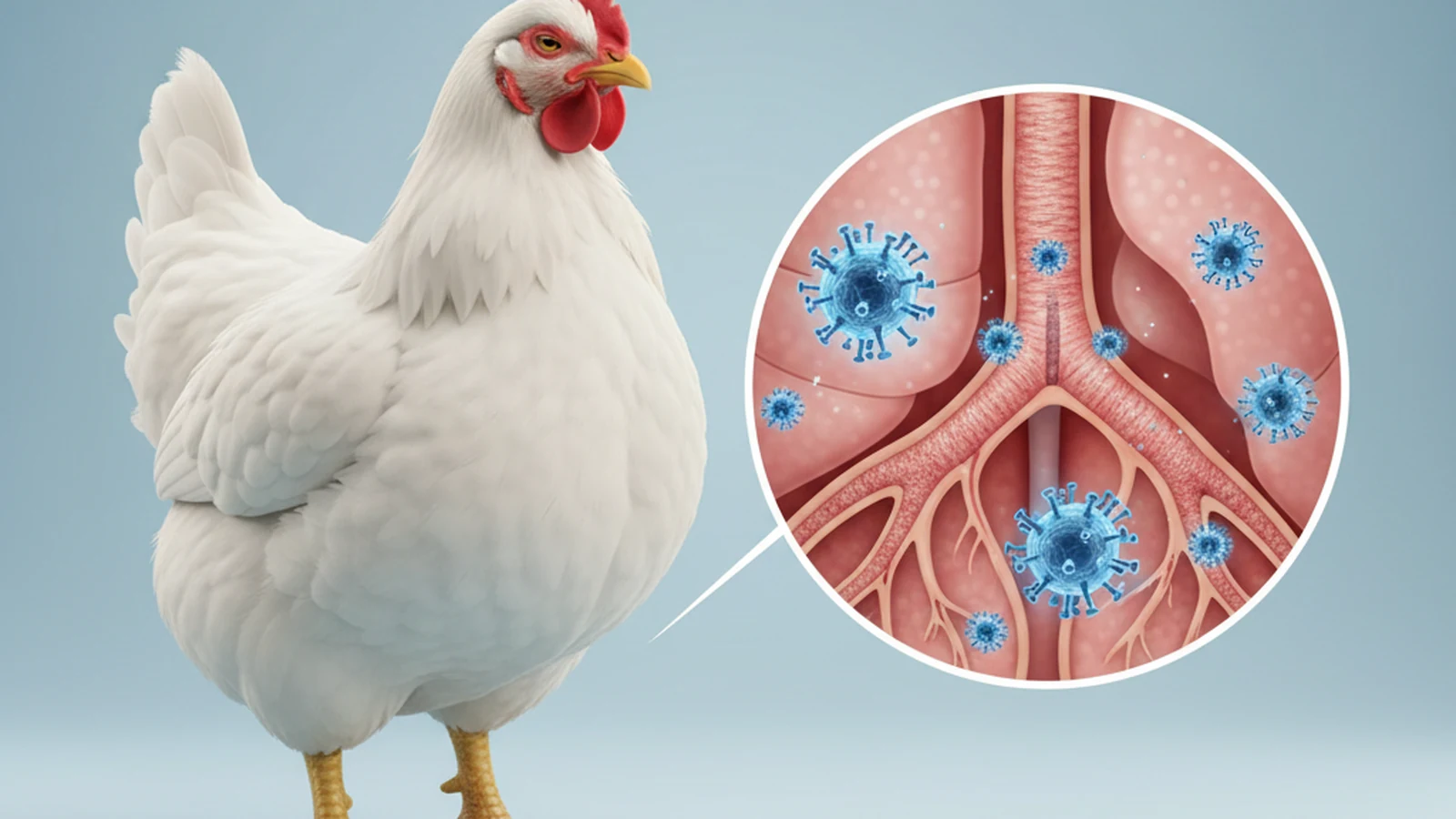
Newcastle is a viral disease whose causative agent is an enveloped RNA virus called paramyxovirus (APMV-1). This disease is seen in various species of birds, both domestic and wild. In terms of virulence, the virus is divided into different pathotypes, including apathogenic, lentogenic, mesogenic, and velogenic. Among their characteristics is the presence of variation in the degree of contagiousness, mortality, signs, and lesions of the disease.
Severity of the Disease Based on Strain Type
The signs of Newcastle disease caused by weakly pathogenic (lentogenic) strains in poultry may be mild or asymptomatic and cause little mortality or no mortality.
Newcastle disease caused by moderately pathogenic (mesogenic) strains in young chicks produces respiratory complications, followed by or simultaneously with nervous complications, as well as mortality. The occurrence of this disease in laying hens is characterized by a marked and sudden drop in egg production, accompanied by mild or absent signs and low or no mortality.
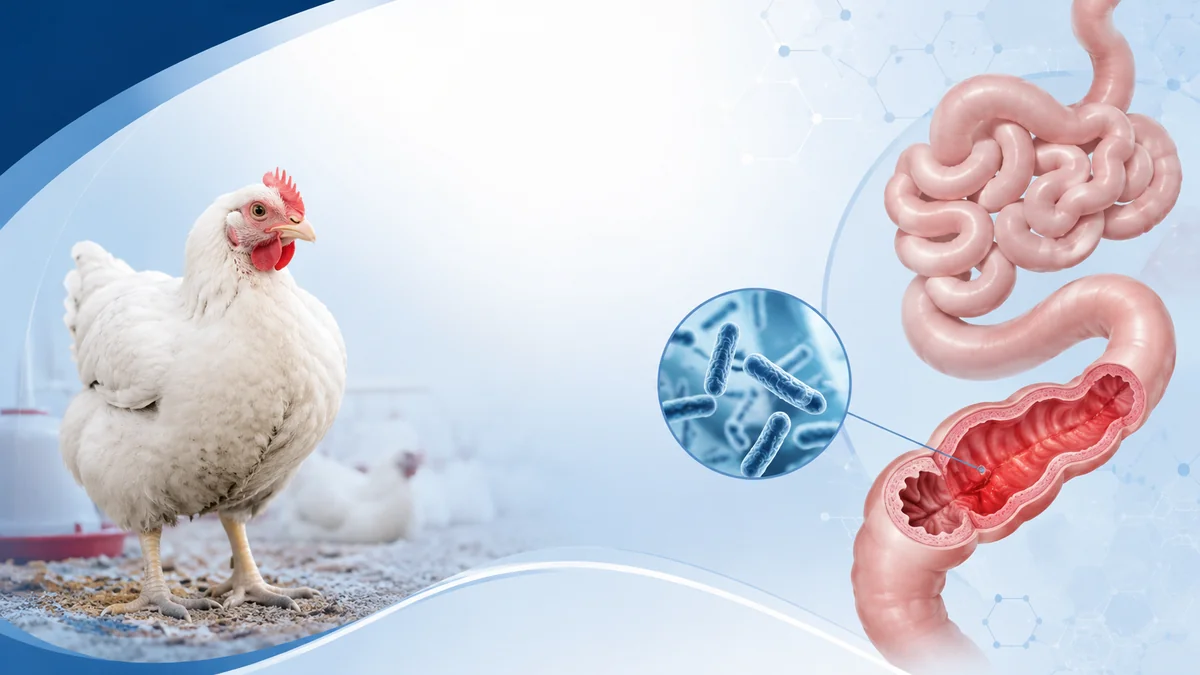
Acute pathogenic (velogenic) strains of Newcastle in chickens usually cause a disease with a short course and distinct signs of respiratory involvement, diarrhea, and paralysis, and in the end most affected birds die.
In most wild and ornamental birds the disease is not clearly evident. The signs, if they appear, vary, but often include open-mouth breathing, diarrhea, and subsequent nervous complications. Sudden death is often considered one of the first signs of Newcastle disease.
Routes of Transmission
Virus-containing secretions excreted from affected birds contaminate feed, water, the soles of footwear, clothing, equipment, tools, and the environment. If susceptible birds are exposed to any of the above sources, the disease is transmitted to them.
Eggs produced from affected hens may contain the virus. Even the virus of live vaccines may act as a source of Newcastle virus.
Clinical Signs — Subacute Form
The disease begins suddenly with malaise and mild anorexia. Respiratory signs are usually present but may be mild or indistinct. Mortality is low or absent. Signs related to central nervous system involvement are sometimes seen in a few birds, but these signs often do not appear.
Egg production in laying poultry stops almost completely within a few days. The eggs produced are of poor quality, and their shells may be soft, rough, or misshapen. Depending on the stage of production at which the infection occurs, production may return slowly to its previous state, or may never return to normal.
Clinical Signs — Acute Form
In accordance with the virus's affinity for particular tissues, the signs of the disease are variable. Many affected chickens often develop dyspnea, severe diarrhea, swelling of the conjunctival tissue of the eye, and paralysis, and finally die within 2 to 3 days. The tissues around the eye may be swollen and dark, and sticky secretions may be observed around the eyes and nose. Some of the birds that survive develop nervous signs within a few days, such as tremor, twisting of the head and neck, circling, paralysis, and clonic spasms. The morbidity and mortality rate is high, up to about 100%.
Post-mortem Findings
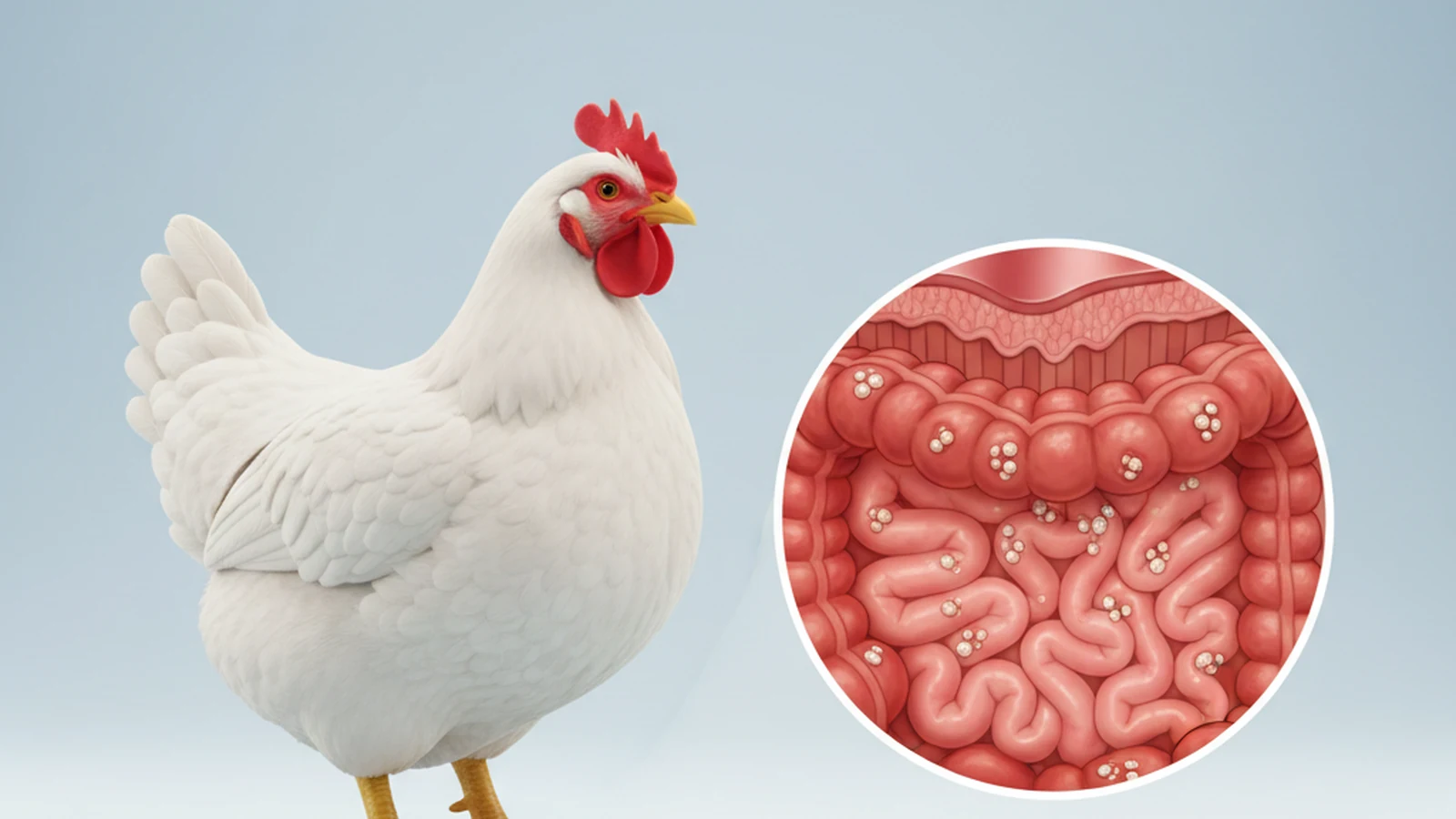
- Hemorrhage and congestion of the skin in the eye region and conjunctiva
- Petechiae between the tracheal rings
- Involvement and hemorrhage of the lung
- Swelling and hemorrhagic spots in the proventricular glands
- Hemorrhage in the space between the proventriculus and the esophagus
- Hemorrhage in the gizzard
- Hemorrhage in the duodenum
- Hemorrhage in the cecal tonsils (Cecal Tonsil)
- Hemorrhage at the end of the intestine (rectum)
Diagnosis of the Disease
Although it may be suspected based on history, signs, and lesions in an area where Newcastle disease exists, laboratory methods must always be used to confirm the diagnosis.
Isolation and identification of the virus (usually by means of embryonated eggs) is essential. The tests that are important for diagnosis are as follows:
- Hemagglutination
- Virus neutralization test
- Plaque formation neutralization test
- Inoculation of the virus into immune and non-immune poultry
- Use of the fluorescent antibody method using conjugated Newcastle antiserum
Control and Prevention
To control and prevent Newcastle disease, observing the following is essential:
- Observing biosecurity points
- Controlling the ventilation status of the house
- Frequent removal of manure
- Removal of organic matter and use of disinfectants in the house to eliminate pathogens between rearing periods
Poultry and turkeys can also be immunized against Newcastle disease with appropriate vaccination.
Vaccination
B1 vaccine: This vaccine is the Hitchner B1 strain and is available in vials of 1,000, 2,000, 2,500, and 4,000 doses, and is recommended for the first round of vaccination against Newcastle. The live virus in this vaccine has an affinity for the respiratory tract and, after administration, multiplies there. Multiplication of the virus in the respiratory tract may be accompanied by minor complications, which resolve spontaneously under favorable conditions. The presence of unfavorable conditions in the house, pathogens with an affinity for the respiratory tract, poor nutrition, and other environmental stresses cause the vaccine's complications to worsen. The method of using this vaccine is mixed in water, as eye drops, and, under special conditions for subsequent rounds, by the spray method.
LaSota vaccine: The LaSota strain has a greater virulence than the B1 strain, is available in vials of 1,000, 2,000, and 2,500 doses, and is suitable for vaccination in the second and subsequent rounds by the water-mix and eye-drop methods. The live virus present in the vaccine has an affinity for the respiratory tract and, after administration, multiplies there, which in some cases requires control. The LaSota vaccine produces stronger immunity than B1. Cloned types of the LaSota strain, such as the Izoclon vaccine and Clone C, exist which, alongside favorable immunogenicity — though somewhat less than that of ordinary LaSota — do not cause many complications. The presence of unfavorable environmental conditions, the presence of respiratory pathogens, immune suppression, poor nutrition, and failure to acquire immunity from the previous vaccine can turn the complications caused by the LaSota vaccine into a factor for the onset of a respiratory complex.
Vitapest vaccine: A 1,000-dose vial of this vaccine is available, and it is suitable for the first round of vaccination and subsequent rounds, depending on the conditions of the region. In high-risk areas, it can be used together with other Newcastle vaccines in designing the vaccination program. Because of the virus's affinity for the digestive tract, vaccination is not expected to be followed by respiratory complications. In young chicks, even one-day-old, vaccination by the spray method using this vaccine is recommended by the manufacturer.
Vitabron vaccine: This vaccine exists on the market and is a combination vaccine of bronchitis H120 and B1, which is suitable for spray, eye drops, and oral administration from 1 to 7 days of age.
Avinew vaccine: This vaccine is available in vials of 1,000 and 2,000 doses. Avinew has an affinity for the digestive tract and possesses multiple tropisms, and can also multiply in the respiratory tract. For this reason, in addition to systemic immunity, it leads to the formation of a strong local immunity in the two digestive and respiratory tracts, and is used by the spray, eye-drop, and drinking methods, and is suitable for the first and subsequent rounds, depending on the conditions of the region. In day-old chicks it is recommended by the manufacturing company using the spray method. Its use in high-risk areas together with other vaccines is recommended.
Oil vaccine: Because of the oil adjuvant, this vaccine has become known as the "oil" vaccine. This vaccine is killed and inactivated, and is recommended for subcutaneous injection at the back of the neck in chicks 1 to 10 days old. The small injection volume (0.1 ml) leads to the use of automatic devices for injection.
Treatment
Since this disease is caused by a viral agent, no specific and dedicated treatment is known or exists for it. In order to help relieve the symptoms and prevent secondary infections from setting in, the disease conditions from becoming more complicated, and the resulting losses from increasing, supportive drugs that improve the respiratory condition and the immune system can be used.
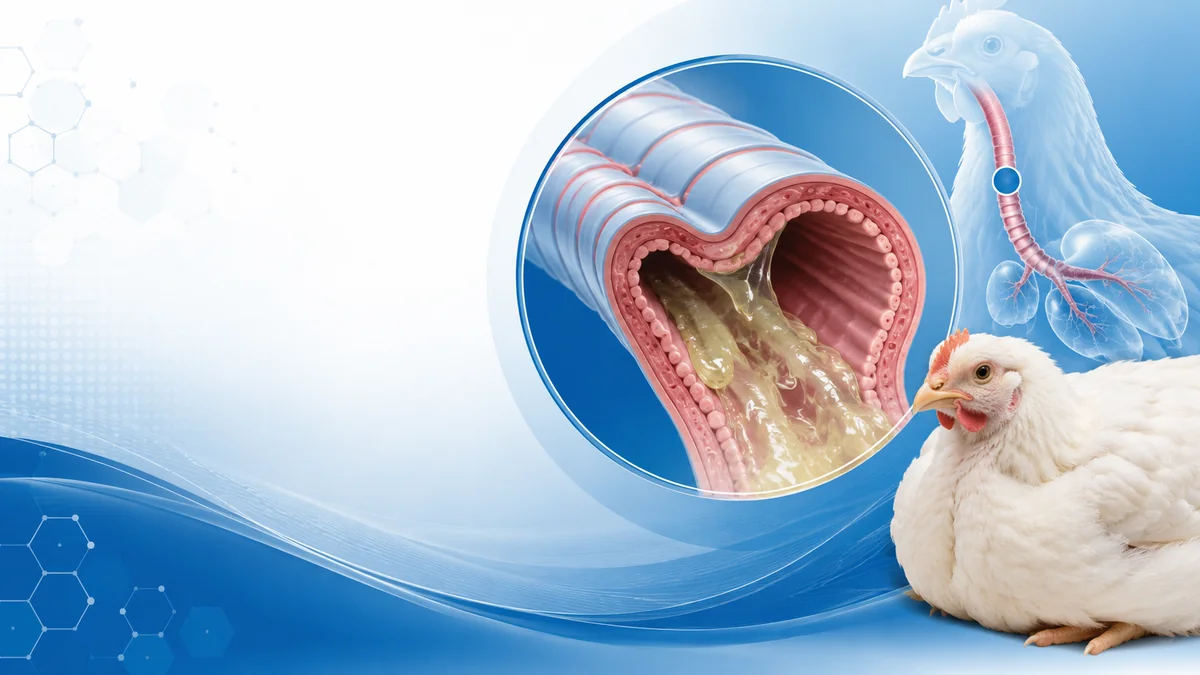
Menthosil Expectorant is 100% herbal and improves the respiratory symptoms of poultry, and can be used dissolved in the drinking water of poultry rearing houses. Menthosil contains natural plant essential oils which, with a high percentage of active ingredient and their multifaceted effects, cause the thinning of respiratory secretions and the improvement of airflow, antioxidant effects, and a reduction of inflammation.
The benefits of using Menthosil include the following:
- Expectorant action and cleansing of the respiratory tract
- Treatment and reduction of the 30 to 50% losses caused by respiratory complexes (bronchitis, influenza, Newcastle, and CRD)
- Reduction of the chick's outward symptoms (respiratory sounds, coughing, nasal discharge, and lethargy)
- Anti-inflammatory and antiviral properties
- Protection against free radicals and antioxidant properties
- Reduction of weight lag at the time symptoms appear
Menthosil is a completely natural compound and has no side effects, drug residue, or withdrawal period. Also, because it has several diverse active compounds, the development of resistance against it is likewise not possible.
Phytogenics are not a substitute for good flock management; they are a complementary tool for it. The best results come when they are used alongside biosecurity, balanced nutrition and a vaccination program.
The global picture at a glance
The European Union has banned growth-promoting antibiotics since 2006, and the global market for phytogenic additives is on a steady growth path — with growing application across both poultry and livestock.
$1.05 → $1.48 billion
Global phytogenics market, 2024–2030
Grand View Research / MarketsandMarkets
Since 2006
EU ban on growth-promoting antibiotics
EU Regulation 1831/2003
Note: This piece is sample general educational content for information only; it is not a substitute for the advice of the flock’s supervising veterinarian. Asadaru supplements are supportive and preventive and are not a substitute for treatment or vaccination. The final article texts are provided and reviewed by the client.